Powering up for a major decision as AI collides with the grid
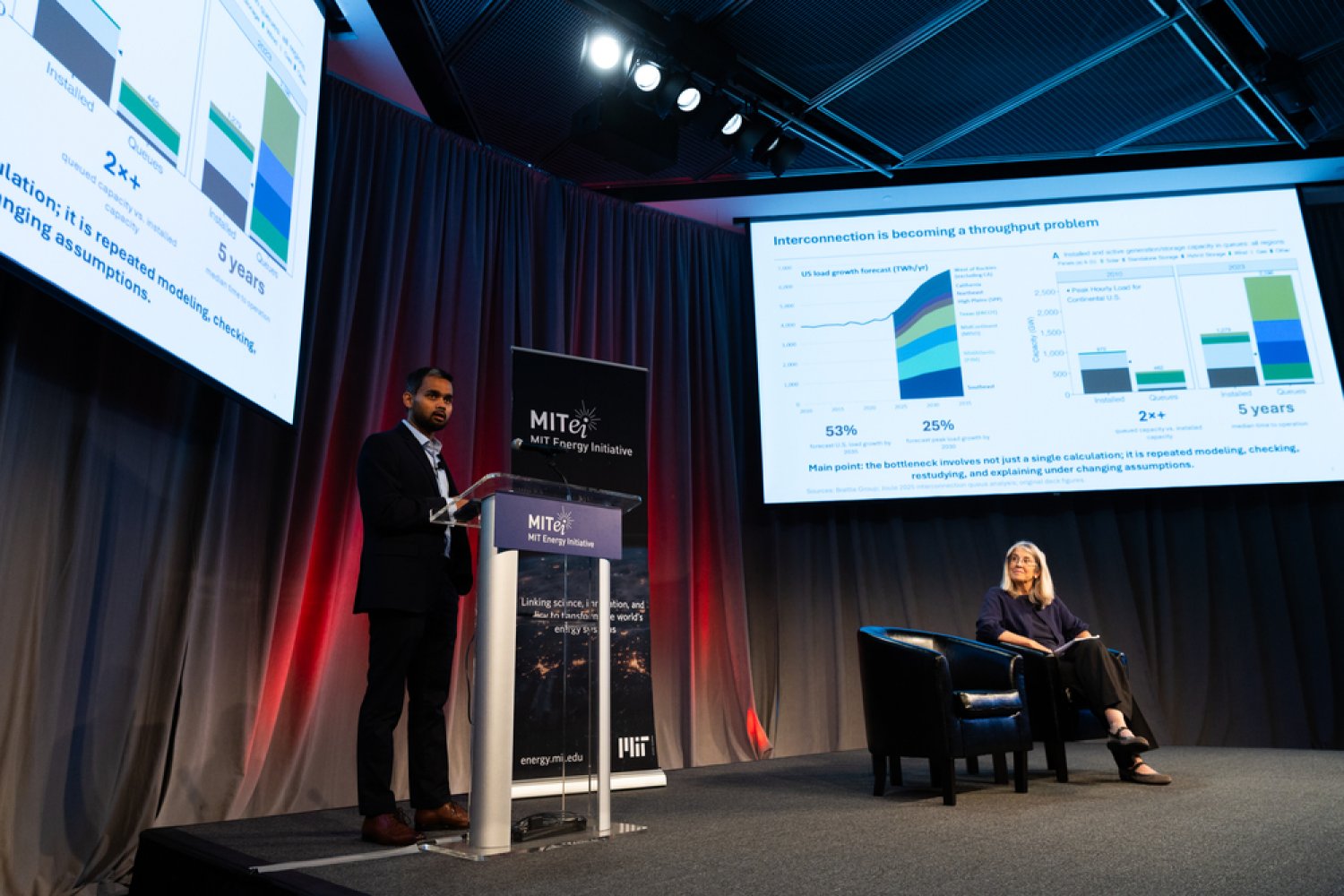
“If energy is prosperity, at least today, prosperity is emissions.” That stark assessment from Eric Toone, chief technical officer and managing partner at Breakthrough Energy, set the tone as energy experts, researchers, and global executives gathered for the MIT Energy Initiative’s annual research conference on Sept. 22–23, news.mit.edu reported. As artificial intelligence and power-hungry data centers expand at an unprecedented rate, the fundamental challenge of the global energy transition has grown increasingly complex, demanding an approach that bridges materials science, engineering, economics, and human behavior.
More than 200 attendees convened in person and online for the event, themed “Transitioning energy at a pivotal moment.” Paula Hammond, Institute Professor and dean of the MIT School of Engineering, kicked off the proceedings by emphasizing the sheer breadth of expertise required to tackle modern grid demands. From fundamental questions about chemistry to community-level policy integration, the conference spanned the entire arc of decarbonization—from deploying mature technologies today to uncovering what might be possible tomorrow.
Restoring Three Mile Island nuclear plant
While long-term basic science holds immense promise, immediate infrastructure demands are pressing. John Parsons, deputy director for research at the MIT Center for Energy and Environmental Policy Research, moderated a panel focused on the revival of nuclear fission power, pointing to projects actively putting steel in the ground and delivering electrons to the grid. Among the notable developments highlighted was the Crane Clean Energy Center’s restoration of the Three Mile Island Unit 1 nuclear plant, which is currently scheduled for restart in mid-2027. Additional efforts feature Électricité de France modernizing its 57-reactor nuclear fleet to withstand climate impacts, alongside GE Vernova constructing a mature light-water reactor plant in Ontario.

Simultaneously, researchers are exploring how to handle industrial emissions by putting waste carbon to work. Carolyn Ruppel, MITEI’s deputy director for science and technology, noted that the land and ocean already passively absorb nearly half of all anthropogenic carbon dioxide emissions, leaving researchers searching for scalable uses for the remainder. Nicola Ferralis, a research scientist in the MIT Department of Materials Science and Engineering, stressed the necessity of finding large-scale applications capable of matching massive supply streams, such as structural carbon for buildings and vehicles.
The explosive energy footprint of artificial intelligence
New hyperscale facilities designed specifically for AI workloads can consume more power than entire cities. Steve Clemmer, director of energy research in the Climate and Energy Program at the Union of Concerned Scientists, shared an analysis revealing that these upcoming installations are often 10 to 10,000 times larger than data centers built just a decade ago. Without strict interventions, this surge risks driving up wholesale electricity costs and escalating fossil fuel reliance, potentially inflicting tens of billions of dollars in health damages and trillions in climate damages.

Addressing public skepticism requires more than technological fixes. Kathryn Kline Tyndall of the Bipartisan Policy Center urged industry proponents to share early, accessible data regarding local water, power, land-use, and environmental impacts. Larry Susskind, Ford Professor of Urban and Environmental Planning at MIT, argued that developers must go a step further by engaging in facilitated negotiations with local groups to establish formal community benefits agreements. Developers, Susskind noted, must accept a fundamental reality of modern infrastructure: they cannot rush community acceptance and must proceed entirely at the speed of trust.