The Conservation Divide at the Ballot Box
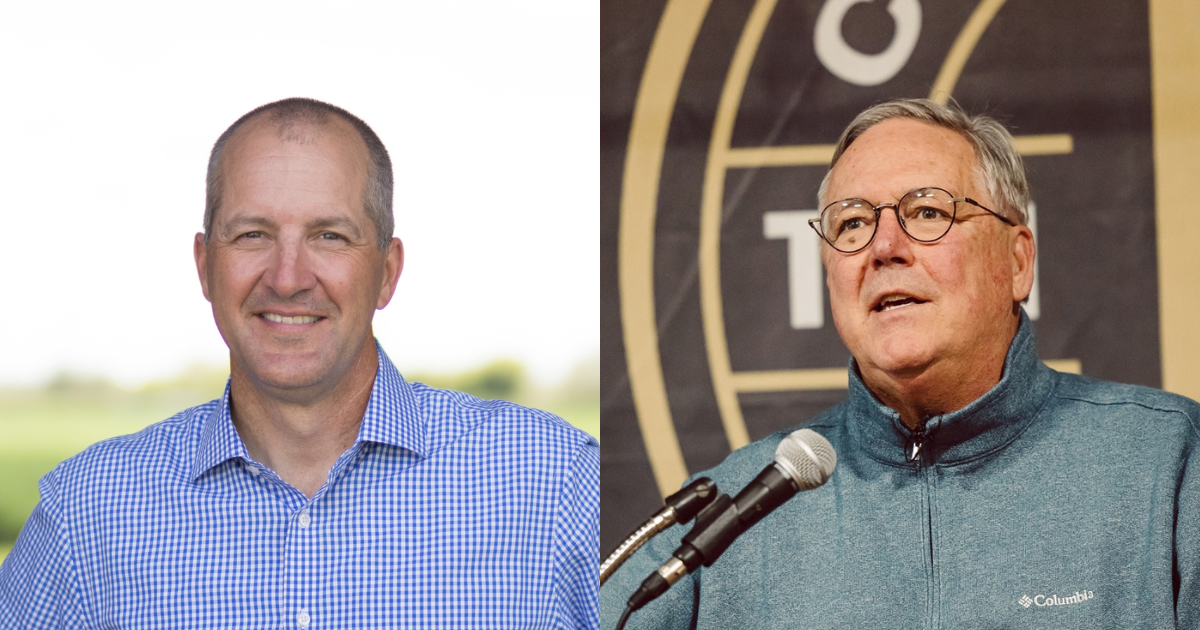
Water quality has anchored the debate in the race for Iowa’s next secretary of agriculture, pitting two sharply contrasting visions for the state’s dominant industry against one another, Iowa Public Radio reported. Incumbent Republican Mike Naig is defending his record of voluntary conservation and market expansion, while Democratic challenger Chris Jones argues that systemic reform is the only remedy for the state’s mounting environmental pressures.
The stakes extend far beyond farm fences. Farming accounts for around 85 percent of Iowa’s land use, leaving the state’s rivers, drinking water supplies, and public health caught in the middle of a policy argument.
Voluntary Incentives Versus Structural Reform
On a Greene County farm north of Scranton, Naig addressed a gathering of livestock producers to pitch his third term. Having served since 2018 following nearly five years as deputy secretary, Naig emphasized his experience leading the state’s response to animal disease outbreaks, such as highly pathogenic avian influenza.
Naig highlighted state-backed efforts like cover crops and edge-of-field infrastructure, including wetlands and saturated buffers designed to filter nitrates. Data from the Iowa Department of Natural Resources’ 2026 draft list shows that half of assessed river and stream segments and nearly two-thirds of tested lakes and reservoirs are currently classified as impaired, citing high levels of E. coli, algal growth, fish kills, and turbidity.
Despite these impaired waters, Naig remains steadfast in his defense of voluntary adoption rates.
Naig said during an April 2025 announcement for urban water quality projects in West Des Moines that what he and his department need to continue to focus on is scaling that up and accelerating that work.
Jones views these programs as insufficient. A retired research scientist who studied contaminant hydrology at the University of Iowa, managed a network of water quality sensors across the state, and published The Swine Republic: Struggles with the Truth about Agriculture and Water Quality, Jones characterizes current state grants as mere Band-Aids.
During a campaign stop in Fort Dodge, Jones asserted that modifying the structure of Iowa agriculture would provide a more effective way to cut down on pollution origins.
The Economic Realities of Small and Mid-Sized Farms
Those proposals draw fierce pushback from the incumbent. Naig argues that regulatory pressure will disproportionately hurt small- and medium-sized operations, ultimately accelerating agricultural consolidation.
The debate also exposes deep divisions over the future of ethanol. Iowa is the top producing state of corn and ethanol. Naig continues to champion federal changes to permit year-round sales of E15 fuel blends nationwide.
Jones, by contrast, has called ethanol an environmental and economic “dead end.” Yet the political friction goes beyond policy, fueled by past remarks. Naig criticized Jones for statements characterizing grain farmers as wealthy individuals who only work a few weeks a year, while Jones countered that his comments were stripped of context from a 2021 conference appearance.
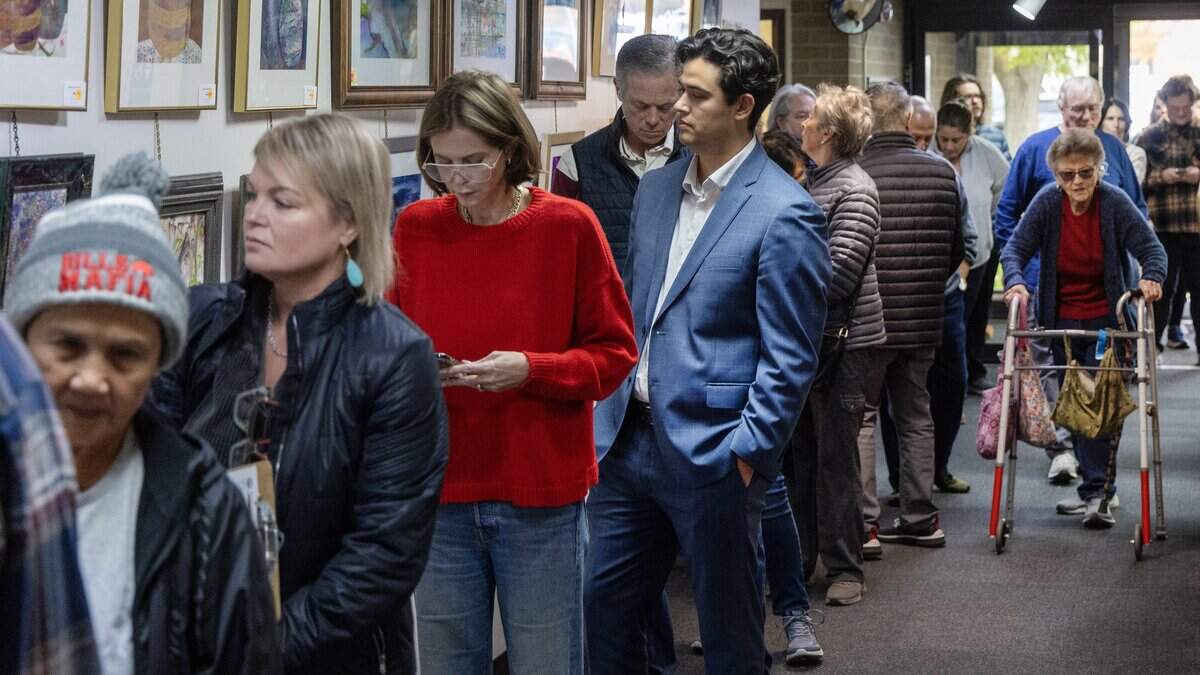
This election functions as a referendum on Iowa’s agricultural identity, underscored by a poll commissioned by the Johns Hopkins Center for a Livable Future showing that 60% of 800 probable Iowa voters ranked drinking water quality and environmental concerns among their top five priorities.
Voters must decide whether the path to cleaner water lies in accelerating voluntary stewardship or rewriting the rules of production across Iowa.