The Orlando Magic fall to the Golden State Warriors in 126-119 overtime loss
The Orlando Magic entered Saturday’s matchup against the Golden State Warriors looking to correct a season-long struggle with the possession game, but despite dominating the effort on the glass, they ultimately fell 126-119 in an overtime defeat. The loss leaves the Magic at 2-7, a record that emphasizes the gap between competitive execution and securing a win in the early stages of the season.
The Magic’s path to staying in the game was built on a defensive identity that forced 19 turnovers for 26 points. While the team struggled with efficiency—shooting just 38.1 percent from the floor and 33.3 percent from three—they compensated by grabbing 24 offensive rebounds and generating 33 second-chance points. It was a statistical victory in the possession battle, as Orlando held a 113-80 advantage in total field goal attempts.
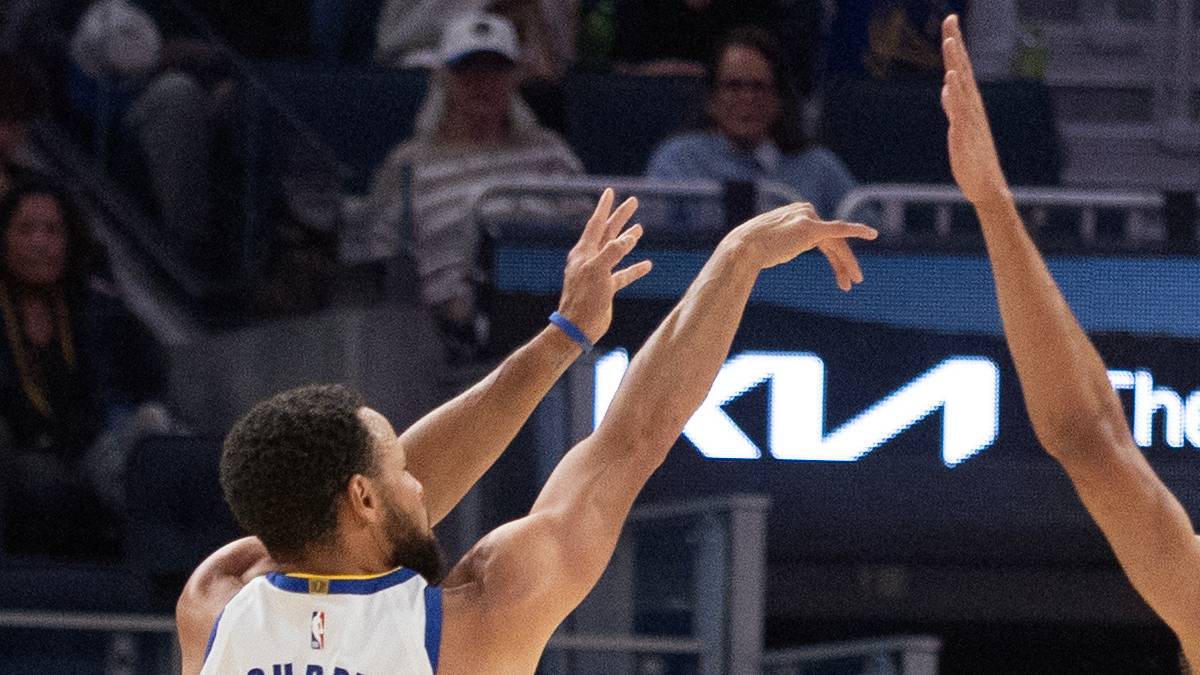
Stephen Curry seals the overtime win with late points
The game turned on the final moments of overtime. After a Jamal Cain putback forced the extra period, Orlando struggled to contain Stephen Curry, who finished the night with 41 points on 13-for-19 shooting. The Magic stayed within striking distance through contributions from Franz Wagner, who recorded 30 points and 11 assists, and defensive efforts from Wendell Carter. However, a pair of missed free throws by Carter in the final minute allowed Curry to pull the Warriors ahead with a tough runner, sealing the result.
The fatigue of a depleted roster became a factor in overtime. Jase Richardson and Anthony Black both left the contest due to apparent knocks, leaving the Magic short-handed as the Warriors closed the gap. While Orlando successfully bucked several negative trends by controlling the boards and limiting their own turnovers to just 14, the inability to convert open looks remained the primary obstacle.
Bench performance provides a spark
The Magic’s bench, which entered the game ranked 23rd in the league with 31.1 points per contest, provided a critical lift in the absence of Desmond Bane. Jamal Cain logged his first career double-double with 18 points and 12 rebounds, while Jevon Carter added three key three-pointers in the first half to prevent the deficit from widening while the starters struggled. Goga Bitadze also contributed significant minutes in the second half, providing a physical presence around the rim that helped keep the game within reach.
Despite these individual efforts, the team’s overall shooting percentage remains a consistent concern. The Magic’s offensive strategy, currently leaning into a three-point-heavy approach under Sean Sweeney, has struggled to find rhythm. The team’s best stretches on Saturday occurred when they prioritized attacking the paint, allowing their perimeter shots to serve as a complement rather than the primary source of offense.
The reality for the Magic is that close performances are beginning to weigh heavily on a team desperate for a win. While the team successfully beat Golden State 134-111 on combined field goal and free throw attempts, the margin of error in the NBA remains slim. For a team currently sitting at 2-7, the challenge is no longer just about controlling possessions; it is about finding the personnel and the execution to turn those opportunities into a result that moves them above water.