Philadelphia Democrats Secure State Control as Harrisburg Landscape Shifts
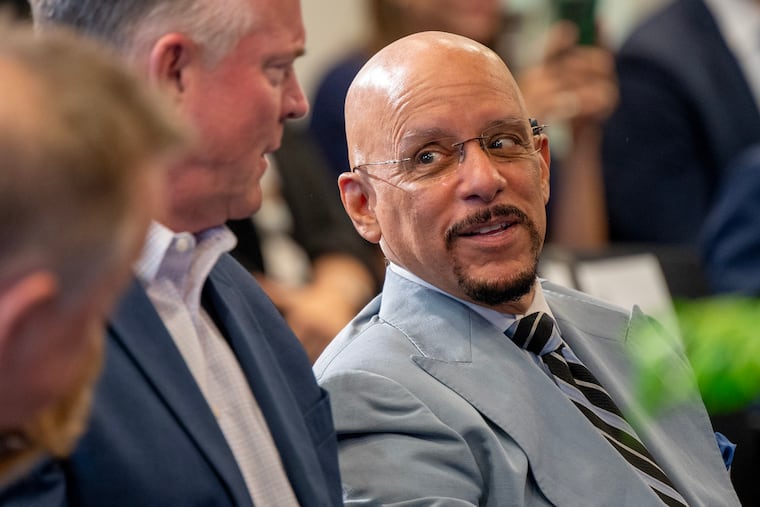
Well first of all – we had so many things that failed because of the Senate Republicans refusing to compromise,
Pennsylvania House Speaker Joanna McClinton said, capturing the mood in the capital as a historic midterm election reshaped the state legislature.
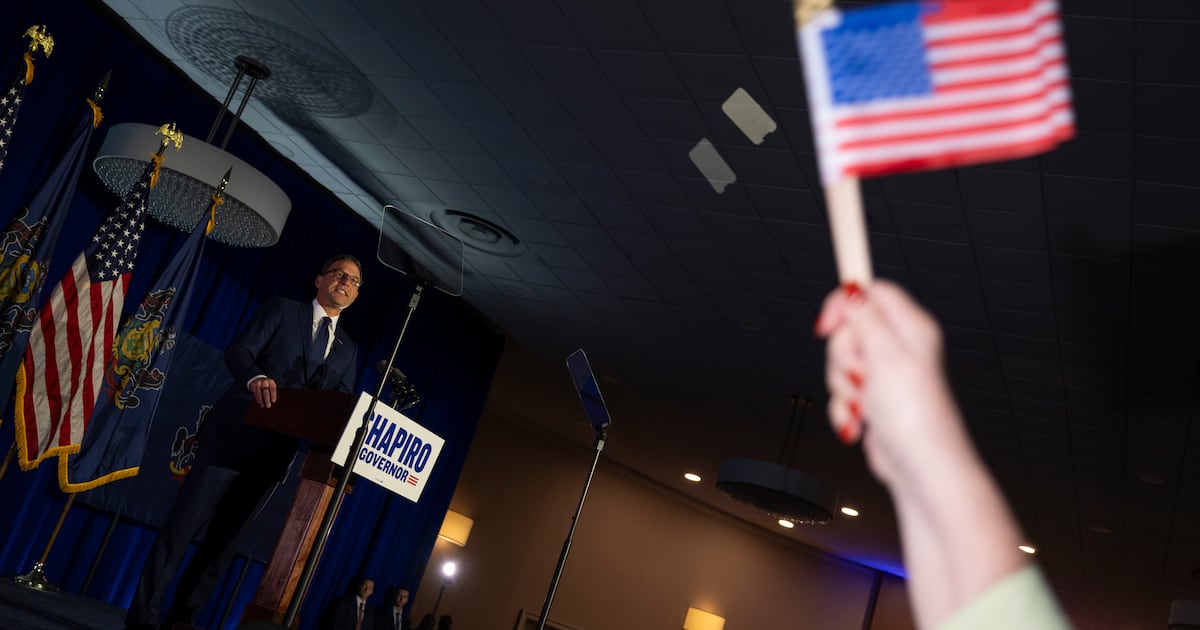
For the first time in more than thirty years, Pennsylvania politics entered a new phase as Democrats claimed a governing trifecta across Harrisburg, with election results handing the party control of both the state House and the state Senate alongside the governor’s mansion. With Governor Josh Shapiro coasting to reelection, lawmakers in Philadelphia are brushing off long-stalled legislative wishlists, eyeing immediate action on public education funding, public transit shortfalls, and minimum wage adjustments. Following the victory, Democrats rallied on the state capitol steps. Democrats flipped control of the Senate on Tuesday night by gaining three seats to secure a 26-seat majority in the commonwealth, while their existing slim majority in the House grew as they gained seven seats to hold a firm majority.
Addressing Long-Standing Fiscal Pressures in Philadelphia Schools
The shift in legislative power arrives as the School District of Philadelphia grapples with compounding structural deficits and massive capital needs.
Mayor Cherelle L. Parker has pressed for state investment to modernize buildings. Republicans repeatedly said ‘no, no, no, no,’
Hughes said. So what are you gonna do?
You got to beat ’em.
Create the trifecta, and then make investments in school infrastructure.
Some schools, she said, need to be totally rebuilt so our kids are learning in modern, 21st century school buildings that can prepare young people so that they can compete in the global economy.
State lawmakers and education advocates emphasize that closing the funding gaps remains an urgent task. Philadelphia City Council Majority Leader Katherine Gilmore Richardson said in a Wednesday statement, This shift will help us move our priorities forward and deliver on the issues that matter most to Philadelphians, including education.
Meanwhile, Philadelphia Federation of Teachers President Arthur Steinberg stated on Wednesday, Achieving our policy priorities — which include increasing the minimum wage and fast-tracking adequacy funding to the School District of Philadelphia — is by no means guaranteed.
On the school choice front, Jorge Elorza, CEO of Democrats for Education Reform, remarked in a statement, Gov. Shapiro has shown that Democrats can invest in public schools and stand with families who want more options at the same time, and we’re proud to keep working with him for Pennsylvania’s students.
Addressing the SEPTA Fiscal Cliff and Minimum Wage Debates
Beyond classrooms, the new Democratic majority faces immediate pressure to resolve chronic underfunding at the Southeastern Pennsylvania Transportation Authority. SEPTA officials have warned of a structural operating deficit of $192 million in the coming fiscal year, leaving the distinct threat of service reductions and fare hikes intact. Over the previous two years, Governor Shapiro intervened by redirecting $153 million in federal highway funding in 2024 and allocating $220 million for Regional Rail emergency improvements, but transit advocates maintain that a sustainable recurring funding stream is mandatory.
At the same time, raising the state minimum wage sits at the top of the legislative docket. Non-tipped employees in Pennsylvania have remained at $7.25 an hour since 2009. While the Democratic-controlled House previously advanced legislation to lift the baseline to $15 an hour, the measure died in the upper chamber. Mayor Parker emphasized that higher wages provide residents a clear path to self-sufficiency. McClinton also noted that lawmakers look forward to getting ahead of the data center influx alongside transit, education, and wage priorities.