Pennsylvania election officials are implementing heightened security protocols and federal monitoring for the November 3, 2026, election to prevent voter intimidation and ensure the integrity of the vote. Officials in key battleground areas are focusing on cybersecurity and physical security to mitigate the types of disruptions and threats that characterized the 2020 cycle.
The stakes are particularly high this year as Democrats attempt to flip the balance of power in the U.S. House of Representatives, with four Pennsylvania races currently in play.
Federal monitors arrive in four counties
The Department of Justice (DOJ) is deploying federal election monitors to four Pennsylvania counties, including Philadelphia and Lehigh. These monitors occupy a passive role, observing whether polling places comply with federal civil rights and accessibility laws. While they can speak with voters after they have cast their ballots, they are prohibited from interacting with voters before they vote.
The deployment comes as a response to lingering anxiety over potential federal interference. Earlier this year, Steve Bannon suggested that Immigration and Customs Enforcement (ICE) agents might be deployed to polls. While the administration has since stated it will not send immigration agents, the rumor prompted officials to prepare their staff for hypothetical confrontations.
Legal barriers are in place to prevent such interference. Pennsylvania law prohibits federal or state troops—whether armed or unarmed—from being present at polling places during the election, except when they are voting. Police are barred from being within 100 feet of a polling site unless they are specifically called to preserve the peace.
“The most important thing for the voters to know is that Election Day is safe,” says Lisa Deeley, a Philadelphia city commissioner. “People should vote without fear of intimidation; we want people to participate in spite of all the rhetoric.”
Security lessons from the 2020 cycle
For many administrators, the 2026 preparations are a direct response to the trauma of 2020. Philadelphia City Commissioner Seth Bluestein recalls a period where police were stationed outside his home to protect his wife and children while he counted ballots at the city convention center. The 2020 cycle saw Donald Trump claim a lead of nearly 700,000 votes in Pennsylvania while two million ballots remained uncounted, leading to lawsuits aimed at preventing the certification of results.
These experiences have shifted the operational priorities of election offices. What used to be secondary concerns—such as drone incursions, bomb threats, and the delivery of envelopes containing white powder—are now standard components of official training. Kathy Boockvar, who served as secretary of state in 2020, has traveled the country training officials in conflict de-escalation and managing third-party disruptions.
The human cost of these tensions is felt most acutely by the poll workers. Many have expressed confusion and fear regarding the presence of federal monitors. In Lehigh County, Chief Clerk Michael Paston has spent significant time educating staff on the specific, non-adversarial role of DOJ observers to ensure that the people running the polls feel secure in their roles.
Transparency as a tool against disinformation
To combat the spread of misinformation, several jurisdictions are opting for transparency. Lehigh County recently held an open house, allowing the public to inspect vote-counting equipment firsthand.
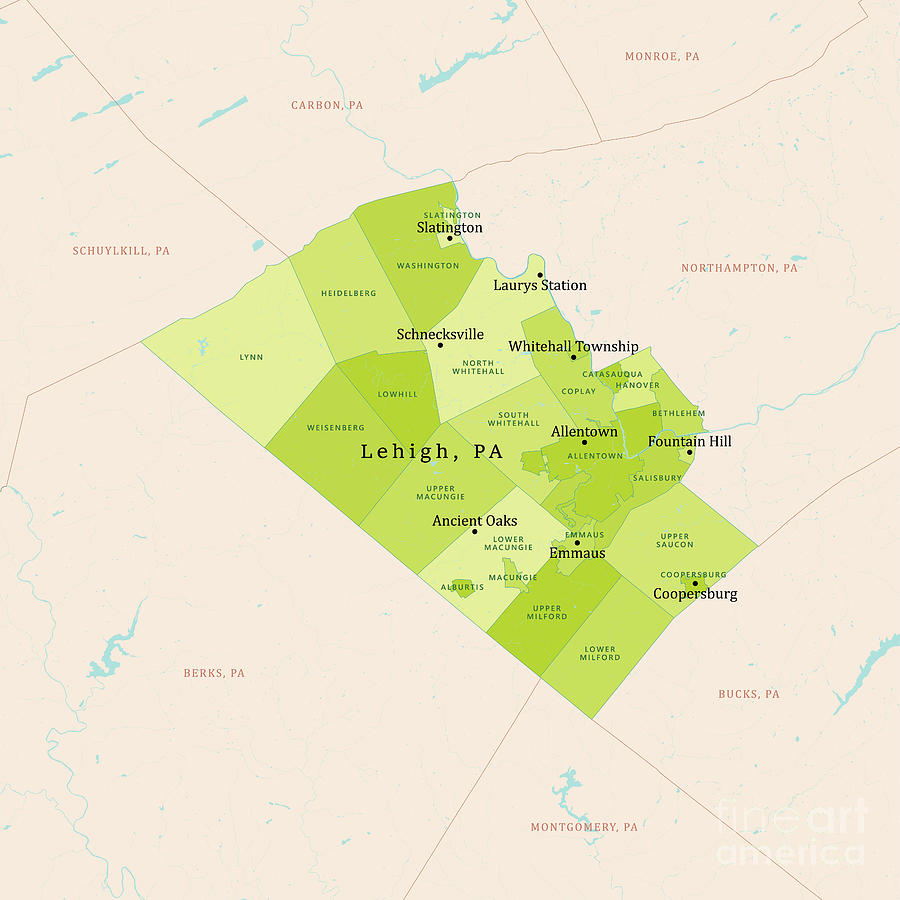
Officials in Lehigh and Philadelphia have described their contact with the Department of Justice regarding passive federal monitors as straightforward and non-adversarial.
In Lehigh County, the atmosphere remains one of professional detachment. Michael Paston notes that his staff is working 12-plus hours a day, six or seven days a week, leaving little room for political anxiety. The focus remains on the mechanical accuracy of the count rather than the political repercussions of the outcome.
As the November 3 deadline approaches, the infrastructure is set. As election officials prepare for 2026 after the challenges of 2020, they must be more skilled in cybersecurity, physical security, and communications.