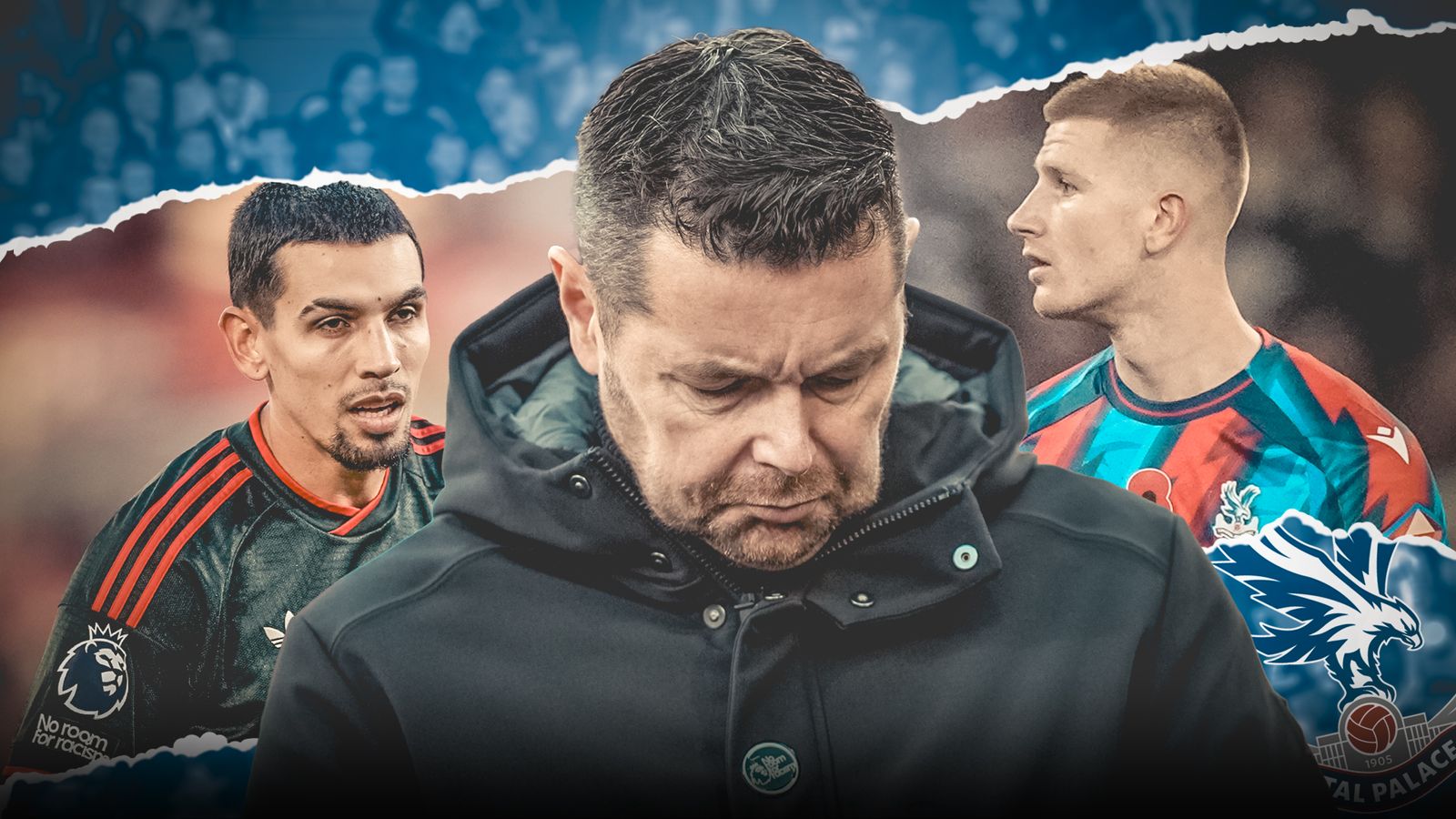
The Heavy Burden at Selhurst Park
When Pierre Sage lifted the Coupe de France trophy last May as the manager of RC Lens, he turned to his staff and asked a simple question. “Do you realise where we are?” he said. Less than six months later, the 47-year-old manager is likely wishing he could bottle that exact moment and take it to south London.
Things have soured quickly. Sage’s position is in inevitable jeopardy. His Crystal Palace side languishes in the relegation zone, burdened by the worst defence in the division.
The numbers behind that defensive collapse are stark. Palace are currently on pace to ship 92 goals this campaign, a defensive leakage rate bbc.com reports has not been approached in consistency since Sheffield United conceded 104 goals to finish at the bottom of the table in 2024. Conceding close to 2.5 goals per match is a far cry from the defensive organization that defined the club under predecessors like Oliver Glasner and Roy Hodgson.
A Squad Remade and Rebuilding Under Pressure
Part of the current struggle stems from an extensive roster overhaul. Over the last two years, Palace have watched a core of elite talent walk out the door. Eberechi Eze, Michael Olise, Maxence Lacroix, Daniel Munoz, and Marc Guehi have all departed Selhurst Park since the summer of 2024, leaving directors and coaches scrambling to patch the gaps.
Behind the scenes, the structural changes have run just as deep. The departure of influential sporting director Dougie Freedman in 2025 left a massive void in the recruitment department. Freedman’s successor, Matt Hobbs, has faced immense scrutiny over a summer transfer window that yielded mixed results at best.

Financial realities have handcuffed those recruitment efforts. In a bid to comply with UEFA financial regulations, the club felt forced to sell Munoz to Nottingham Forest for £22m. To plug the defensive gaps, the club brought in Takehiro Tomiyasu, Ben Chilwell, and Oscar Mingueza on free transfers, alongside loan arrivals Axel Disasi and youngster Honest Ahanor. Yet these new faces have struggled to replicate the aerial dominance and shutdown qualities of their predecessors.
Tactical Mismatch on the Pitch
Beyond personnel losses, critics and supporters alike point directly to Sage’s tactical approach as a contributing factor. At Lens, Sage deployed a 3-4-2-1 formation built on high-tempo pressing, opposition-half pressure, and rapid transitions.
No team in the Premier League has managed fewer high turnovers this season. When asked about his porous backline following a defeat to Newcastle, Sage doubled down on his core philosophy. “My idea is that the best way of defending is to have the ball, because then you cannot concede,” he told reporters.
The reality at Selhurst Park defies that ambition. Palace have won the possession battle just twice since Sage took charge, inheriting a squad accustomed to playing without the ball under previous regimes. Injuries have compounded the tactical friction. Ismaila Sarr, who netted 21 goals last season, has been sidelined with a groin injury, while Jean-Philippe Mateta picked up a costly red card just 13 minutes into his second Premier League start since August, ruling him out for the next three matches.
Facing the Liverpool Test
The pressure hits a critical juncture this weekend. Palace enter Sunday’s fixture against Liverpool looking to snap a three-game losing streak in the league that has seen them fail to score while conceding nine times. Defeat could drop the Eagles to the very bottom of the Premier League table.
Despite the grim run of form, the away supporters at Tottenham offered no concerted outpouring of frustration toward the head coach after their latest 2-0 defeat. The fans recognize the depth of the structural problems running through Selhurst Park, issues that would likely remain even if Sage’s tenure were cut short.
With a trip to Besiktas in the Europa League and a home league meeting with Newcastle looming large on the horizon, Sage has a narrow window to alter the mood. Two positive results could ignite an upward trend. Two defeats, however, and the club powerbrokers may decide that enough is enough, leaving both manager and club to ponder whether this partnership was simply the right man at the wrong time.