Fiber Farming in Maine Meets Federal Policy at Meadowcroft Farm
“Trying to turn your commodity into a saleable product — we don’t have a lot of infrastructure manufacturing options, certainly not locally,” Nanne Kennedy told visitors at her Knox County property, WABI reported.
That snapshot of rural manufacturing gaps brought Congresswoman Chellie Pingree to Meadowcroft Farm in Washington, Maine, where producers gathered to weigh the heavy hurdles facing local fiber farmers. The visit opened a direct line between small-scale agricultural producers and upcoming federal policymaking aimed at reviving domestic textile processing.
For growers working with natural fibers like wool, linen, flax, and cotton, the post-production journey remains a logistical puzzle. Kennedy noted that her entire production cycle operates within a five-hour radius simply because regional processing facilities are so scarce.
The economic disparity runs deeper than just mileage. Natural fiber producers face steep energy and financial hurdles that synthetic competitors avoid.
“[It is] much cheaper to take something soft and fluffy to make something soft and fluffy, but we don’t have the support to do that,” Kennedy said, according to WABI.
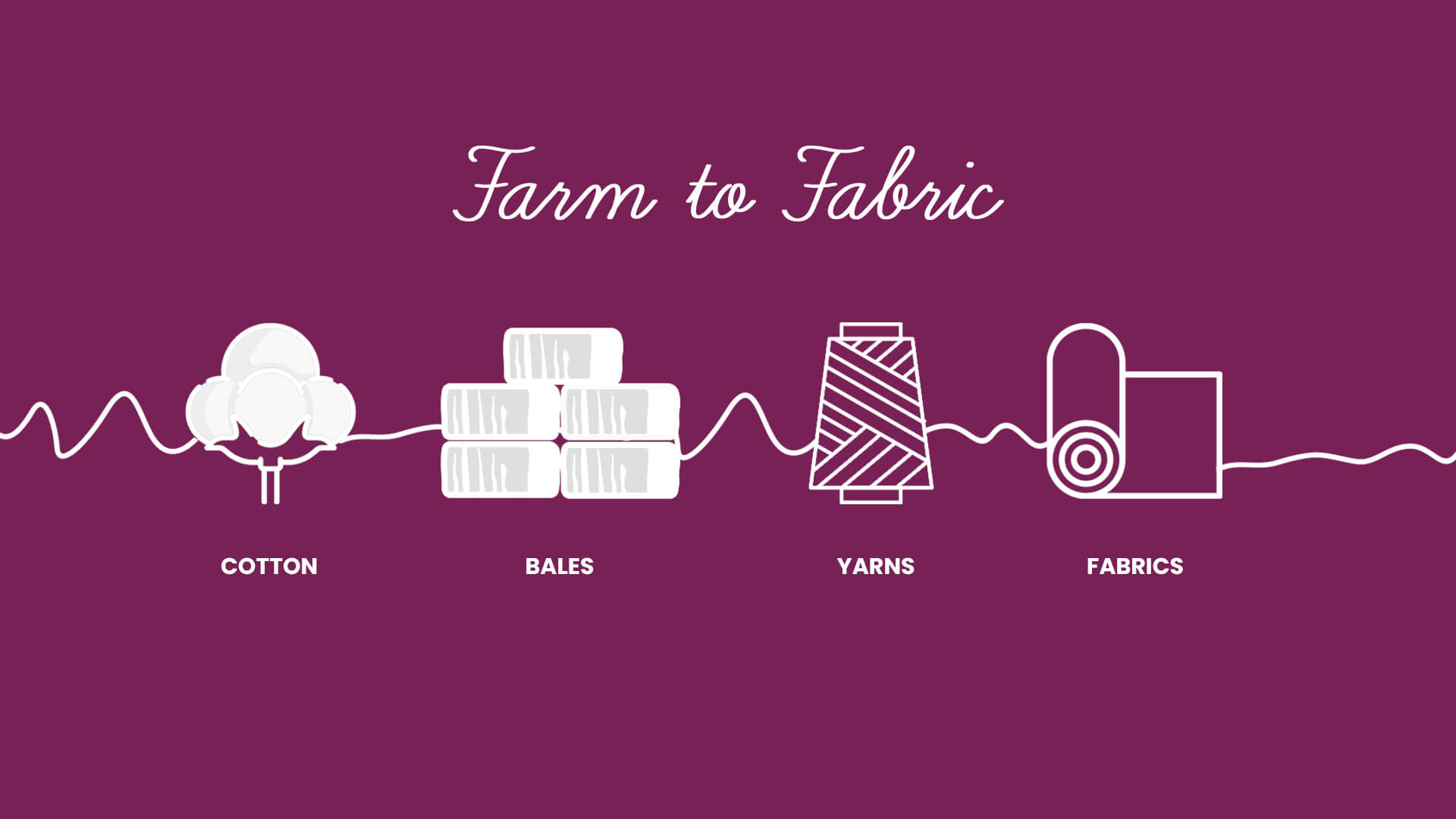
Shaping the Farm to Fabric Act in Knox County
Following the farm tour, Pingree sat down with area producers for a roundtable discussion centered on potential additions to the draft Farm to Fabric Act. The proposed legislation seeks to expand federal agriculture funding to explicitly cover both food and fiber production.
The roundtable follows Pingree’s introduction of the Textile Waste Reduction Act just last month.
Democratic Maine US Rep. @PingreeForME touts 'sustainable fiber farming' in Maine and promotes 'slow fashion', running for a 10th term in the US House against Republican challenger Ron Russell, againhttps://t.co/UftCFAHaTi
“This administration has cut back on a lot of the programs that are important to farmers, so it’s good to see where those cuts are hurting farmers.” — Rep. Chellie Pingree
Participants at the roundtable zeroed in on high entry costs for new producers, the practical utilization of waste wool, and the staggering environmental footprint of the fast fashion industry.
“70% of our clothing is made from fossil fuels, polyesters, and synthetics,” Pingree said, as reported by WABI. “Not only does it add a lot of questions for what people are wearing, but it ends up in our waste stream. There’s a lot of fast fashion now, and clothing is thrown away very quickly.”
Economic Opportunities for American Growers
Boosting domestic fiber processing carries a dual purpose under the proposed framework: creating economic footing for regional farmers while offering consumers sustainable alternatives to throwaway garments.
“We want to support more clothing that is sustainable, lasts longer, but also gives more opportunities to our American farmers — whether it’s cotton, linen, flax, or wool,” Pingree said. “And wool is a product that we make a lot of in Maine, so we want to support that.”
As the draft of the Farm to Fabric Act moves through revision stages, the focus remains fixed on whether federal support can successfully bridge the gap between raw agricultural commodities and viable regional manufacturing.