The Sentencing of Ricky Anderson and the Limits of Judicial Discretion
On Wednesday, November 4, 2026, the Franklin County Court of Common Pleas became the stage for a conclusion that left many in the gallery audibly devastated. Judge Julie Lynch sentenced retired Columbus police officer Ricky Anderson to three years’ probation for the 2022 shooting death of 20-year-old Donovan Lewis. The courtroom, which had been tense throughout the proceedings, erupted in vocal frustration as the judge bypassed prison time, opting instead for community control.
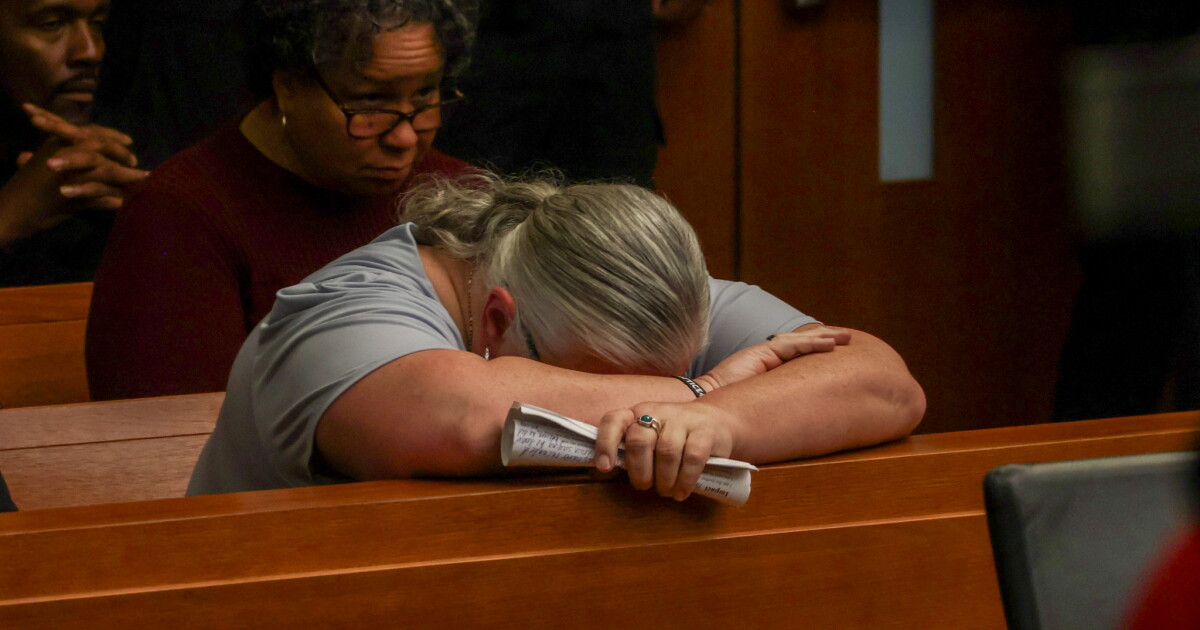
For the family of Donovan Lewis, the sentencing represented a profound failure of accountability. Lewis’ mother, Rebecca Duran, had pleaded with the court to impose the maximum three-year prison sentence allowed under the terms of Anderson’s plea. When the decision for probation was announced, Duran let out a cry and slumped on the gallery bench with her head in her arms. The courtroom atmosphere quickly shifted from somber anticipation to open anger, with attendees calling out, “You let him get away with murder” and “They always do” as they exited the building.
Anderson Enters Plea While Maintaining Innocence
To understand why this outcome occurred, one must look at the specific legal mechanism used to resolve the case. In September, Anderson entered an Alford plea to a charge of reckless homicide. This plea is a unique legal tool that allows a defendant to maintain their innocence while acknowledging that the prosecution possesses sufficient evidence to secure a conviction at trial. By accepting this plea, prosecutors dropped a murder charge. Judge Lynch emphasized that this plea did not carry a presumption of incarceration, suggesting that the family’s desire for a prison sentence was a pursuit of “vengeance” rather than the “justice” she claimed the court was tasked to deliver.
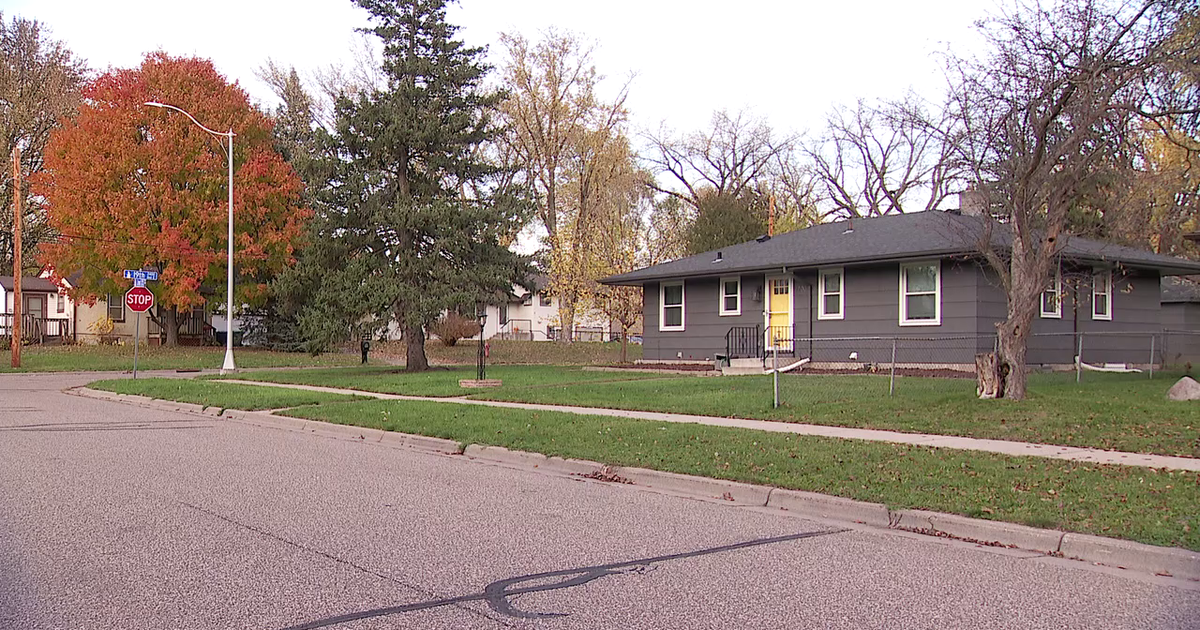
The incident itself, which occurred in 2022 while Anderson was serving an overnight warrant in Columbus’ Hilltop neighborhood, remains a flashpoint for local debates regarding police use of force. Body camera footage captured the moment Anderson fired his weapon at Lewis while he was in bed. Anderson later stated he believed Lewis had a gun; it was subsequently confirmed that the item in Lewis’ hand was a vape pen.
Family Mourns Loss and Seeks Equal Justice
The emotional toll on the Lewis family has been unrelenting. Rebecca Duran shared that her nights are still defined by the timing of her son’s death, waking consistently between 2 and 3 a.m. Perhaps most heartbreaking is the ongoing reality for Lewis’ son, born after his death, who continues to ask why he cannot see his dad.
Robert Gresham, an attorney for Lewis’ family, expressed the deep disappointment felt by those seeking a different standard for law enforcement. “When we talk about justice, justice has to apply to officers just as much as it applies to the people being policed. We’re disappointed in the outcome here,” Gresham stated following the proceedings. While the family must now look toward a civil trial scheduled for February, the criminal sentencing shows the divide between legal resolution and community expectations of accountability.
For Anderson, the sentence involves specific restrictions. According to his attorney, Kaitlyn Stephens, these terms could include mental health assessments, restrictions on travel or required counseling. Anderson is not allowed to own a gun. Judge Lynch clarified that if Anderson violates the terms of his probation, he will go to prison for three years. Yet, for those who watched the proceedings, these conditions offer little solace for the loss of a life that ended in a bedroom during the execution of a warrant.
The case of Ricky Anderson highlights a recurring tension in the American judicial system: the friction between the technical requirements of a plea agreement and the public’s demand for punitive accountability when an officer takes a life. As the community reflects on this outcome, the question remains whether the legal process as it currently exists is capable of bridging that gap, or if it is destined to leave families like the Durans feeling that the system is fundamentally misaligned with their definition of justice.
Ex-Columbus officer gets probation in Donovan Lewis shooting death https://t.co/c7jtPydHQe
More on Donovan Lewis
See the photos: Former police officer Ricky Anderson sentenced Nov. 4. 2026 for shooting Donovan Lewis in 2022. See link below ⬇️ https://t.co/HAhtpANddS pic.twitter.com/9nUC7DEWx5
Father of Donovan Lewis delivers victim impact statement https://t.co/xXvDzVn9hT