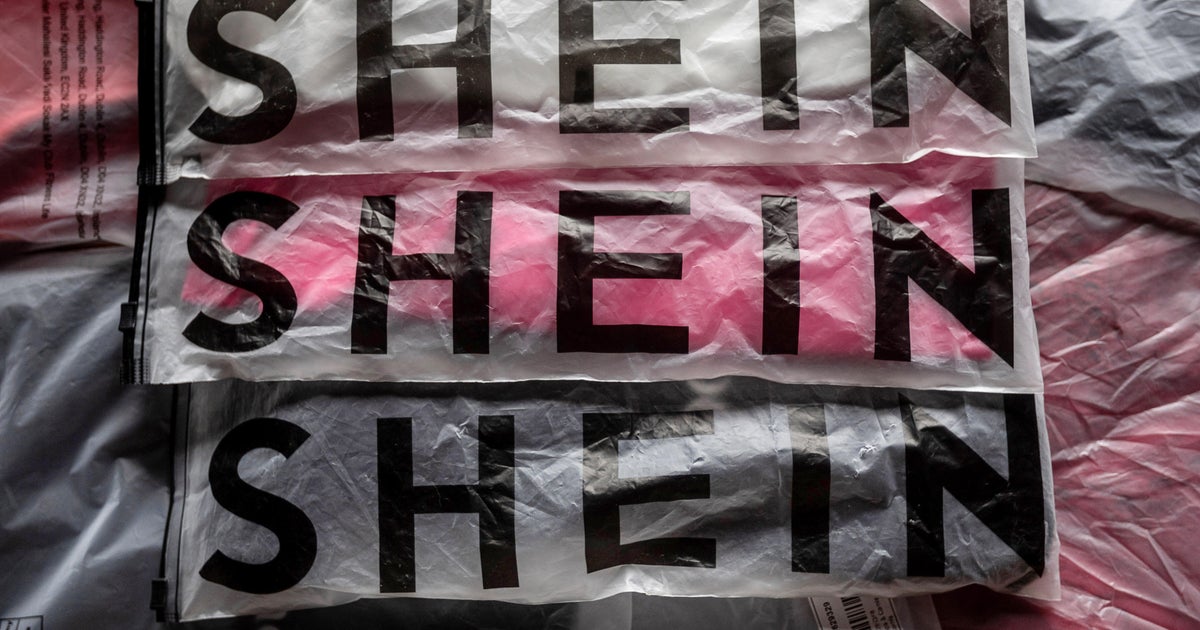
Fast-fashion retailer Shein has agreed to pay $100 million in consumer redress to settle a sweeping federal complaint over delivery delays, inaccessible customer service, and deceptive product practices.
The Federal Trade Commission filed its lawsuit and proposed settlement order in federal court in California on Tuesday, accusing the Singapore-based e-commerce platform of misleading millions of American shoppers. Commissioners voted 2-0 to authorize the filings.
Shipping Delays and Invisible Customer Support
The agency’s complaint states that Shein marketed fast, transparent and reliable shipping, but tens of thousands of buyers reported that their orders arrived days, weeks, or months late, while some purchases never arrived at all. The company also failed to provide legally required delay notices.
While Shein ships nearly one million packages to the United States each day, the company employed only five customer service agents to handle telephone inquiries from American buyers as of September 2025, according to the FTC. The retailer also omitted any telephone number for those agents from its website, leaving automated email systems and chatbots disabled or nonresponsive.
“Too often, consumers whose orders are delayed, missing, or incorrect are forced to waste precious time fighting with useless overseas call centers, trapped in endless chats, or unresponsive chatbots and customer service systems designed to frustrate rather than help,” FTC Chairman Andrew Ferguson said.
“Americans reasonably expect companies to maintain some basic level of customer service,” FTC Chairman Andrew Ferguson said.

Disputed Supply Chain Claims and Censored Reviews
Regulators also targeted Shein’s evoluSHEIN product line. Although the company marketed those goods as sourced from suppliers with above-average ratings in social-compliance audits designed to guard against forced and child labor, investigators found the company failed to provide a single audit supporting those claims.
The agency similarly accused Shein of misrepresenting cotton origins. Testers discovered that cotton advertised by suppliers as U.S.-grown actually originated in China, while cotton in other products could not be traced to any country at all. In addition, federal officials said Shein suppressed negative reviews by publishing positive feedback while systematically deleting or hiding complaints from customers who criticized or returned items.
Company Response and Court Approval Process
Under the proposed stipulated final order, which requires approval and a signature from a federal district judge, the $100 million will be placed into escrow by company attorneys and used by the FTC to compensate harmed consumers. The order also bars Shein from making deceptive claims about shipping times, delivery schedules, supplier audits, and cotton traceability, while mandating that the retailer maintain functioning customer service channels.
Americans reasonably expect companies to maintain some basic level of customer service. Too often, consumers whose orders are delayed, missing, or incorrect are forced to waste precious time fighting with useless overseas call centers, trapped in endless chats, or unresponsive…
The company added that it has continued making significant investments in strengthening its consumer practices and compliance efforts, believing that resolving this matter serves the best interests of its customers, employees, and business.
Company Statements and Commission Comments
Christopher Mufarrige, director of the FTC’s Bureau of Consumer Protection, said that the enterprise attracted buyers through affordable apparel pledges alongside supplier evaluations regarding forced and child labor standards. He added that the company also suppressed unfavorable feedback and made obtaining support extraordinarily difficult.

The representative mentioned ongoing investments intended to bolster compliance measures and consumer procedures.
Originally started in China in 2008 as a drop-shipping business sourcing from wholesale markets, Shein transformed into a fully integrated retailer by establishing its own supply chain system in Guangzhou beginning in 2012. The enterprise later shifted its corporate structure to Singapore, where the Singapore-registered entity Roadget Business Pte operates Shein’s global website and holds its trademarks following a 2022 headquarters relocation.
Regulatory Framework and Enforcement
The agency asserted that the retailer violated Section 5 of the Federal Trade Commission Act, along with specific regulations governing mail, internet, or telephone order merchandise as well as consumer reviews and testimonials. The framework requires judicial approval to attain full legal force.