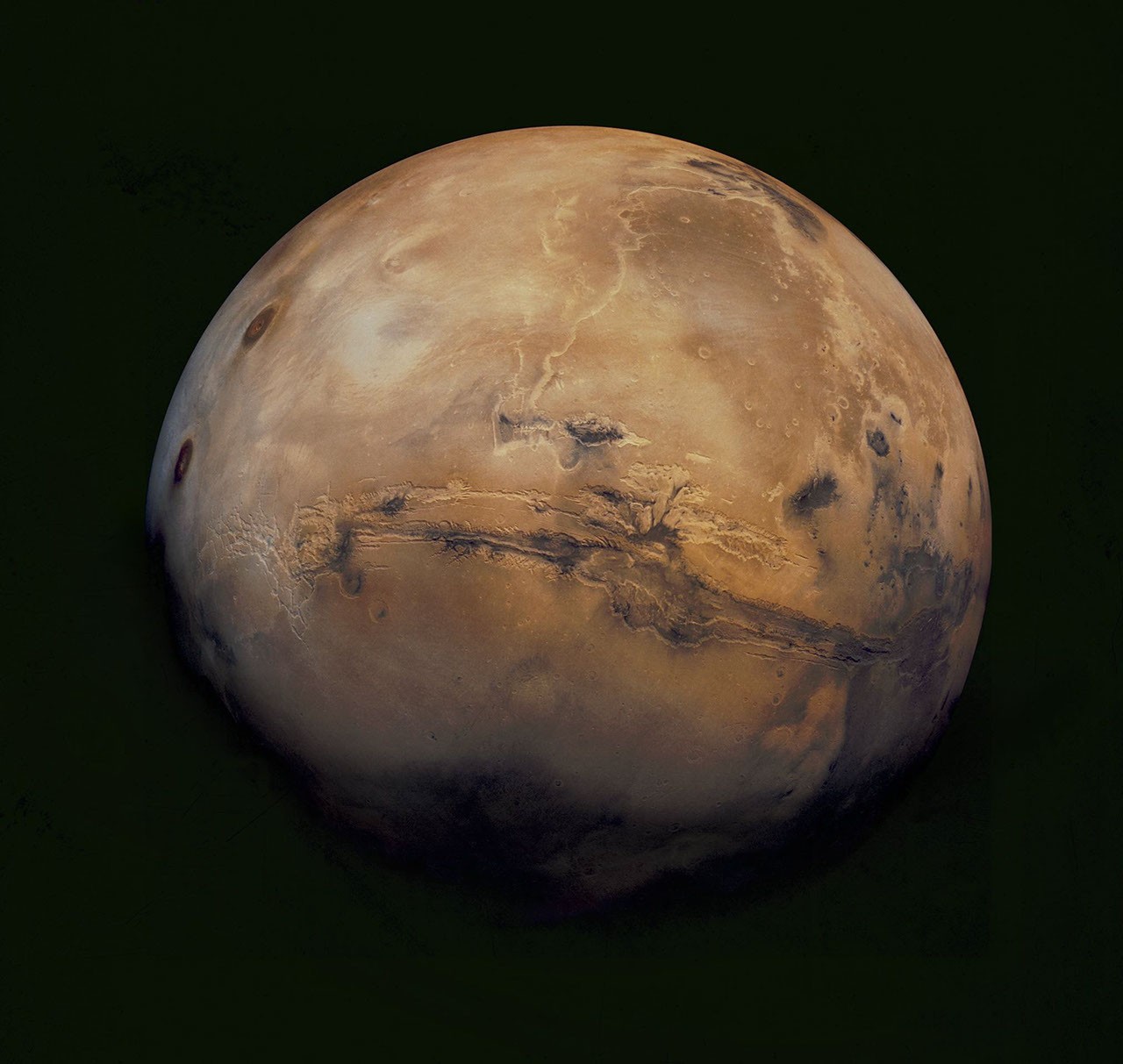
“The team is hopeful the rover could return to science by the end of November,” NASA said as hardware glitches sidelined two of its long-running missions at Mars.
Technical problems have temporarily halted routine science operations on both the Perseverance Mars rover and the Mars Odyssey orbiter. The simultaneous anomalies, disclosed by NASA’s Science Mission Directorate, struck the robotic explorer on the surface and the veteran spacecraft overhead within days of each other.
Perseverance Radio Malfunction and Data Pause
The trouble for Perseverance began on October 30 when its primary ultra-high-frequency radio failed to transmit its routine electronic heartbeat during boot-up.
Flight software aboard the rover continually listens for the periodic signal, resetting an internal fault timer with every received ping. Gizmodo reported that the system detected 25 missed heartbeats, equating to roughly 100 seconds of silence.
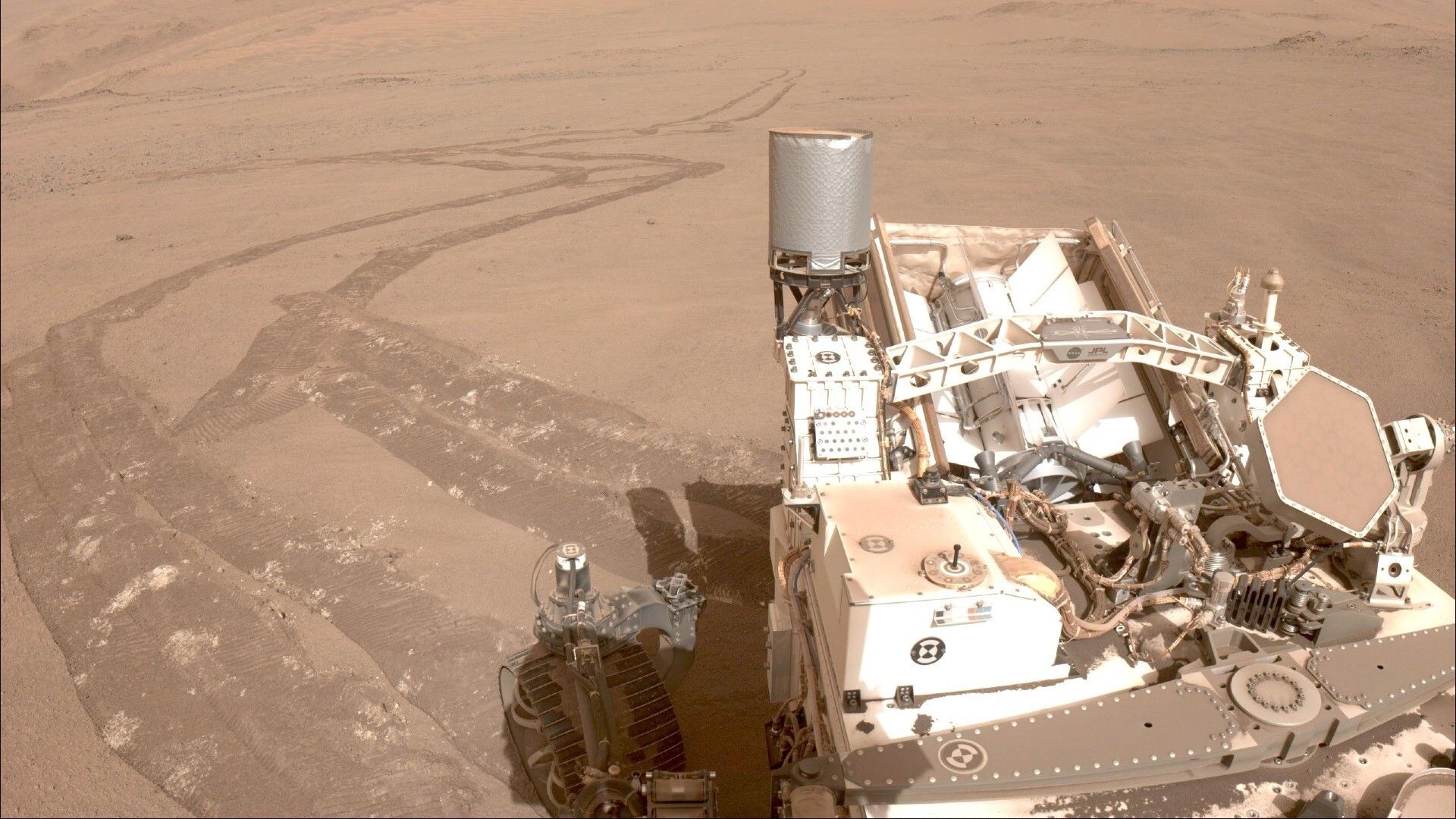
The rover’s main computer continually listens for that ping, every time it hears the ping, it resets a counter. However, if the radio stops sending the heartbeat due to a fault, after a certain number of missing heartbeats in a row, the computer swaps to the redundant one.
NASA, Mission Update
Following autonomous protocol, the rover switched to its backup UHF radio and entered a protective safe mode.
The six-wheeled robot is currently communicating directly with the Deep Space Network using X-band radio over its high-gain antenna. Because this direct link carries significantly less bandwidth than relay orbiters, science instrument operations and raw image captures are paused to preserve data channels for diagnostic telemetry.
Mars Odyssey Reaction Wheel Failure
While the rover sits idle in Jezero Crater, engineers are grappling with a more critical hardware failure on the Mars Odyssey orbiter, which has operated near the Red Planet for a quarter of a century. Between November 4 and 6, the orbiter entered safe mode after one of its four reaction wheels stopped spinning.
Spacecraft use reaction wheels to change orientation without expending propellant. Odyssey requires at least three functioning wheels to maintain proper attitude control. One wheel suffered an unrecoverable failure in 2013, leaving the spacecraft relying on its final backup.
Without three healthy wheels, Odyssey must fire its hydrazine thrusters to point its solar arrays toward the sun and keep its antennas aligned. Jet Propulsion Laboratory engineers estimate that after 25 years in orbit, the spacecraft retains enough fuel to sustain attitude control via thrusters for only one to two months.
Ground Testing and Recovery Efforts
Ground teams have achieved some initial success during troubleshooting. During testing, Odyssey’s stalled reaction wheel exhibited slight rotational movement when commanded, indicating the mechanism has not suffered a catastrophic mechanical seizure. Further testing is underway to determine if the hardware is recoverable.
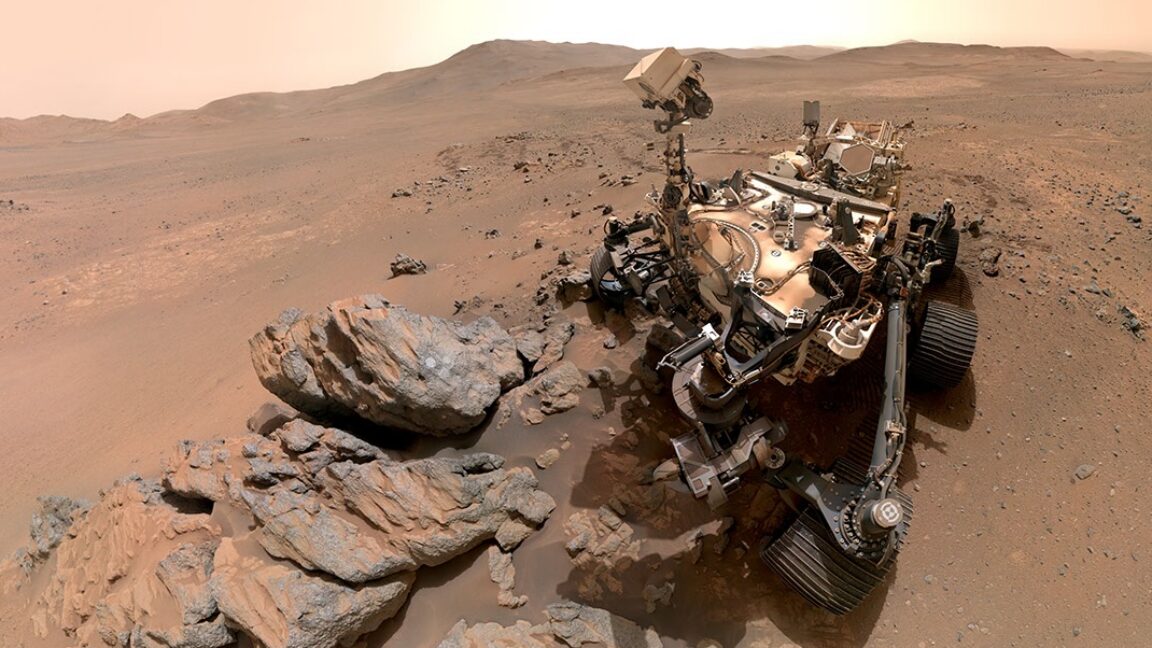
Caltech-managed JPL has also assigned a specialist team to evaluate the performance of Perseverance’s backup radio and determine options for restoring operational status before addressing the primary unit.
Overcoming Mars Communication Constraints
Because Perseverance’s UHF radios are out of use, the rover is not using any relay orbiter for now. Mission managers paused science operations out of an abundance of caution while investigating the faults.
Both radios have been taken out of service while engineers investigate what caused the anomalies and decide when it is safe to turn either or both back on. Perseverance currently relies on a direct X-band link with Earth, which operates at a much lower data rate than sending signals through UHF relay orbiters.
Odyssey Reaction Wheel Recovery
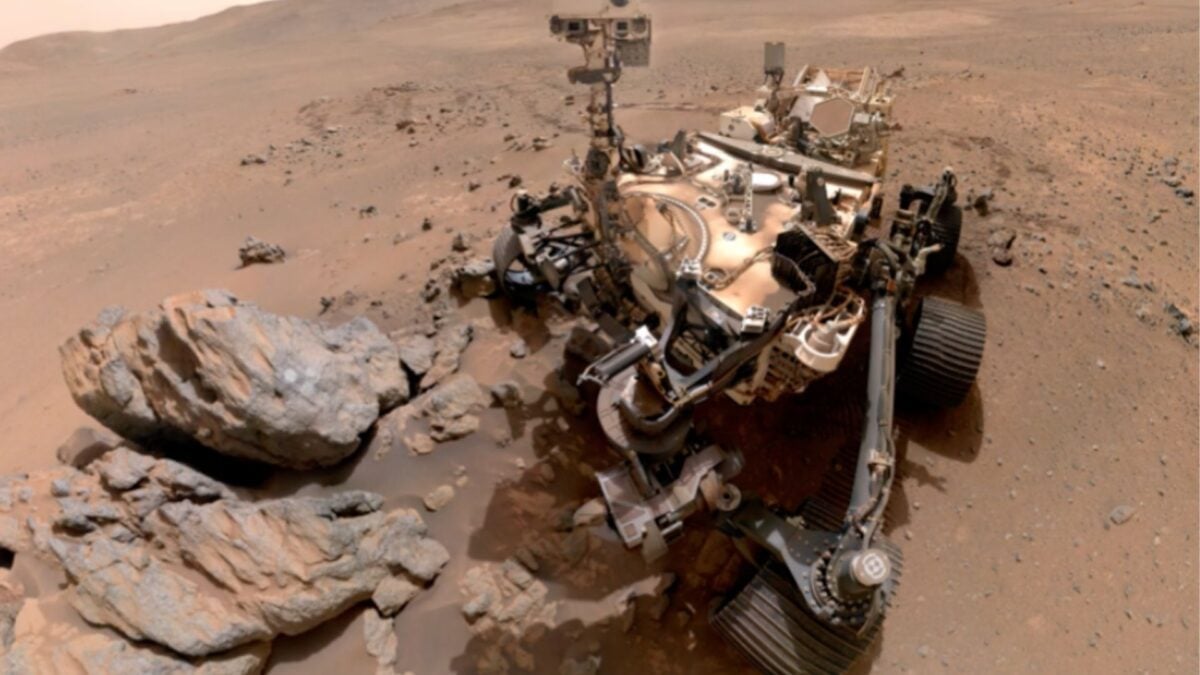
Even though Odyssey exited safe mode two weeks ago, its science and data-relay activities remain suspended. NASA officials wrote in Thursday’s update that further testing is being conducted to confirm whether the wheel is recoverable.
The team has made some progress, at one point getting the faulty wheel to move when commanded. Whether Odyssey’s reaction wheel can be relied on again remains unclear, along with what NASA would do with the orbiter if it cannot.
Milestones and Fleet Context
The current technical hurdles arrived shortly after major milestones for both missions. Perseverance surpassed the previous extraterrestrial distance record of 28.06 miles or 45.16 kilometers set by the Opportunity rover, pushing its odometer to double its original distance objective while exploring terrain along the edge of an ancient lake crater. Meanwhile, Odyssey maintains its status as the longest-running spacecraft in Martian history after entering orbit in October 2001 following an April launch, initially designed for a two-and-a-half-year baseline assignment.
The orbiter generates foundational global mineralogical maps, identifies buried water ice in high latitudes, and has provided critical relay support for the Phoenix lander as well as the Spirit, Opportunity, and Curiosity rovers. NASA officials note that Odyssey is one of four orbiters currently facilitating communications between Earth and surface assets, alongside the Mars Reconnaissance Orbiter, the European Space Agency’s ExoMars Trace Gas Orbiter, and the Mars Express spacecraft.