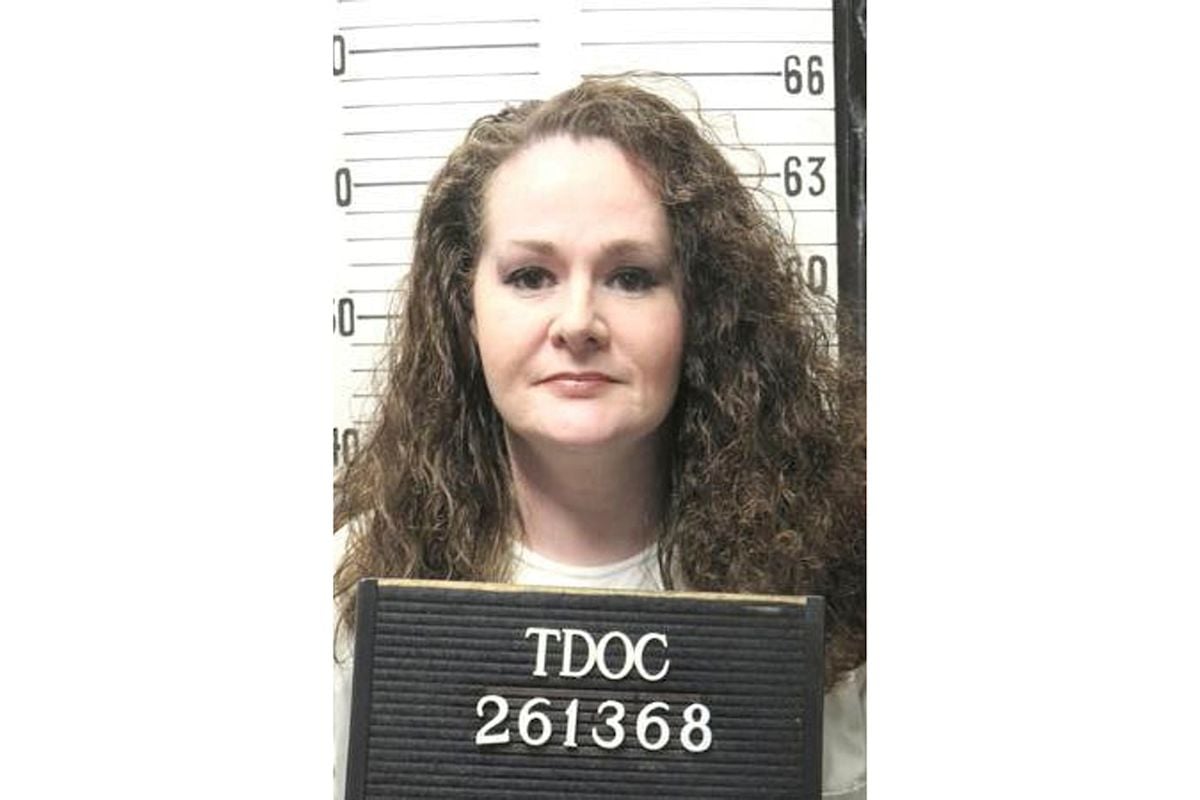
Tennessee state officials are asking a judge to shield the identity of their lethal injection drug supplier, warning in court filings that exposing the source would halt executions in the state.
Christa Pike, 50, survived two doses of pentobarbital on September 30 at a Nashville prison. Her attorneys state that her arms presented burns and blisters.
Pike spent days on a ventilator after the attempt and was later transferred to the infirmary at Johnson Rehabilitation Center, where attorneys for the Tennessee Department of Correction wrote in a federal court filing that she continues to require round-the-clock care.
Originally from West Virginia, Pike was convicted in 1996 at the age of 20 for first-degree murder and torture committed the previous year against her 19-year-old classmate Colleen Slemmer. If the execution had proceeded as planned on September 30, she would have been the first woman executed in Tennessee in over 200 years and the first woman put to death in the United States since 2023.
Following the failed execution, Pike was hospitalized on a ventilator for days before regaining consciousness, speaking, and telling her legal team that she remains in constant pain. Randall Spivey, one of her attorneys, noted that she was angry and disoriented after waking up, and even asked about the victim’s family.

Dr. Joel Zivot, an Atlanta professor of anesthesiology and surgery who consulted with Pike’s legal team, indicated that her recovery points toward stabilization, though her attorneys emphasized that severe complications remain a risk.
The legal battle centers on a preservation order issued by Davidson County Chancery Court I’Ashea Myles, which required state officials to maintain all physical evidence from the execution attempt, including drug vials, needles, and residual pentobarbital. In a Friday court filing, the state asked the judge to rescind the portion of her order that allows Pike’s legal team to inspect, collect, and test any leftover pentobarbital.
Tennessee Attorney General Jonathan Skrmetti wrote in a court filing that Pike’s counsel and experts cannot be allowed to see, handle, or otherwise access information on the leftover vials.
An anonymous Tennessee Department of Correction employee stated in an affidavit that the drug supplier would become identifiable if attorneys handle the vials or review their labels. According to the declaration, suppliers have expressed concern about threats, harassment, and boycotts. The employee noted that another supplier stopped communicating with the department in 2024 after its identity was exposed.
If counsel or experts for Plaintiffs [Pike] are allowed to view the labels on any vials of pentobarbital or handle the vials, TDOC would likely lose access to pentobarbital and thus be unable to carry out executions using it.
Unnamed Tennessee Department of Correction employee, via New York Post
Under state statute, Tennessee keeps the names of all people and organizations connected to obtaining execution drugs or performing lethal injections strictly confidential.
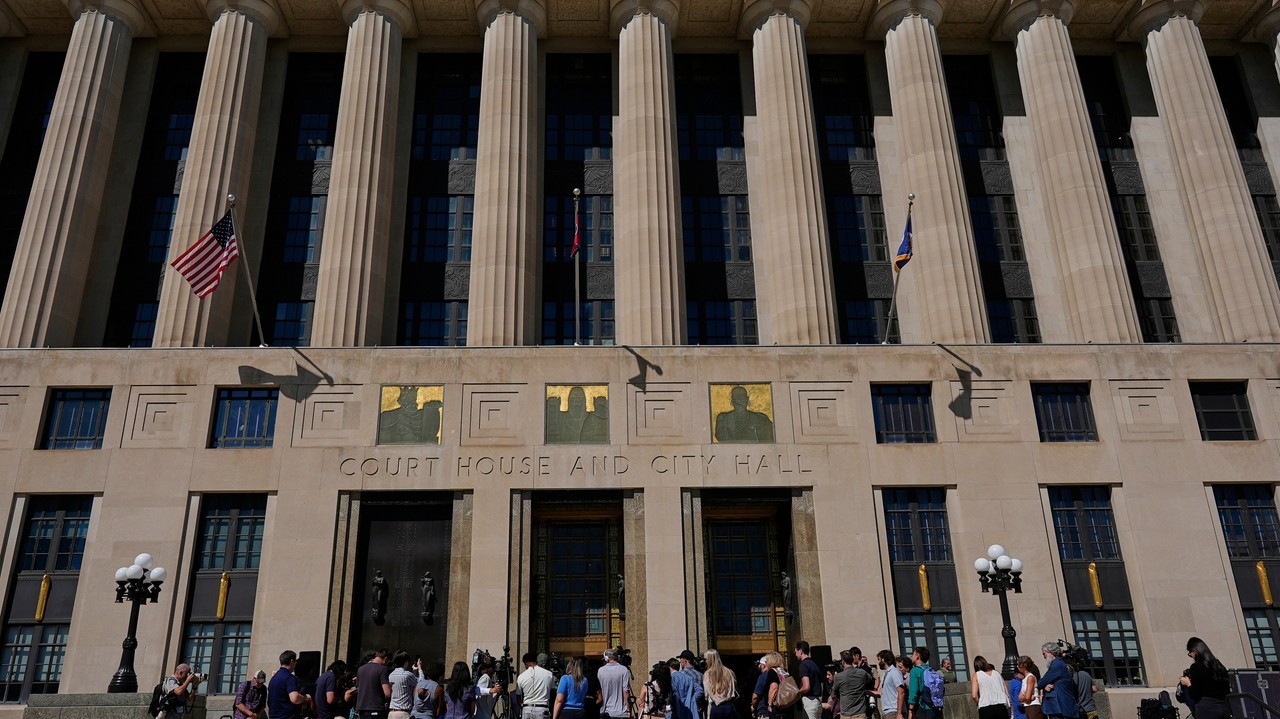
Luke Ihnen, a lawyer representing Pike, maintained that publicly identifying the state’s supplier has never been the goal of the litigation. Instead, the defense team wants to review how the pentobarbital was labeled, stored, mixed, and handled to determine whether the drug was expired or mishandled.
To investigate the botched procedure, the governor enlisted a former U.S. attorney for an independent probe while delaying the remaining execution scheduled in the state for this year. Meanwhile, Marsha Blackburn, the state’s Republican governor-elect, has called on the state to explore alternative execution methods, including the electric chair.