Between 3.6 million and 4.2 million mailers were sent to homes across Texas, an operation with a price tag that far exceeds the annual budget of the organization it impersonated. This massive scale is at the heart of a legal battle in Travis County, where a judge has now ordered the group behind the pamphlets to sit for depositions and answer questions under oath. The ruling, issued late Tuesday, targets the Texas Transgender Student Union, a Wyoming-registered LLC with a Houston post office box, as well as the messaging company Infobip.
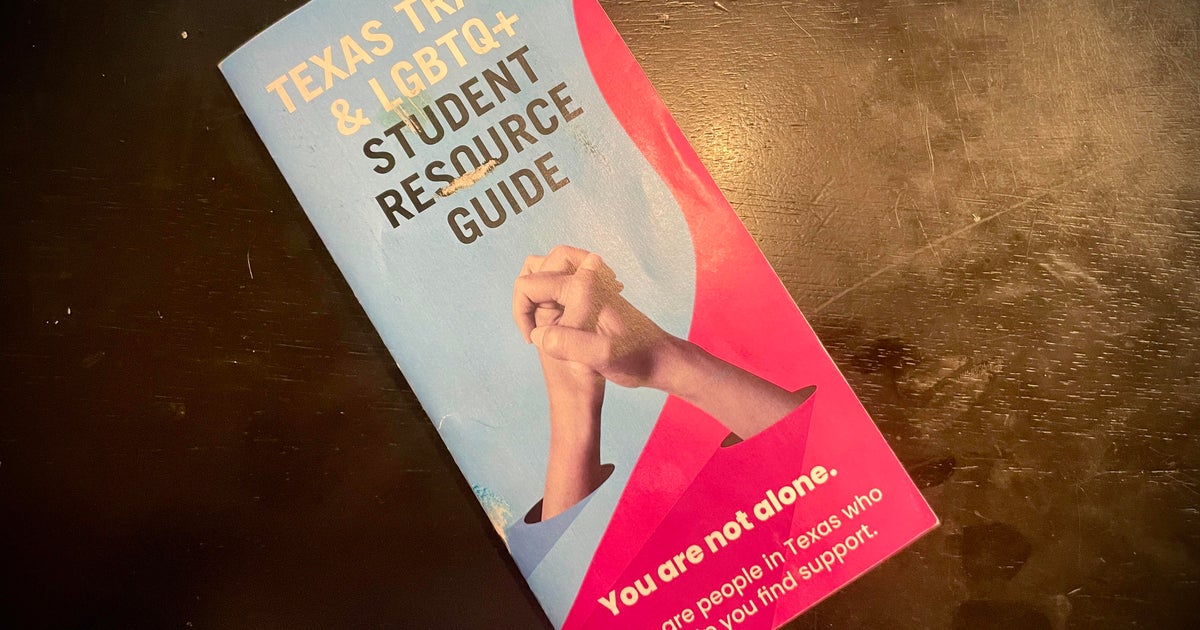
The dispute centers on a campaign of unsolicited texts and mailers that appeared to come from the Transgender Education Network of Texas, known as TENT. While the materials offered resources for LGBTQ+ youth—including guides on school bathrooms and information on legal emancipation—TENT maintains they never sent them. The organization claims the impersonation triggered a wave of backlash and death threats, forcing them to deactivate their website and hire private security. The Texas Tribune reported that the court’s decision to allow depositions is a significant step in TENT’s effort to uncover who is actually funding and directing these communications.
The Cost of Impersonation
The financial disparity between the actual nonprofit and the scale of the mailer campaign is stark. According to Mimi Marziani, a representative for TENT, the organization operates on an annual budget of $1 million. The sheer volume of the mailers—potentially over 4 million pieces—would cost significantly more than that entire yearly budget to execute. This gap suggests a well-funded entity is operating behind the scenes, using the identity of a local advocacy group to reach students across the state.
The campaign began with text messages on October 12, which offered guidance on gender-affirming care and school navigation. These were followed by physical mailers starting October 17. Both the texts and the pamphlets linked to TENT’s website, but TENT asserts the messages were not their own. The human cost of this confusion has been immediate; Marziani told the court that the organization had to suspend its programming due to the resulting threats of violence.
A First Amendment Defense
The legal defense for the Texas Transgender Student Union rests on the right to anonymity. Chris Hilton, a former lawyer for Attorney General Ken Paxton who represented the Wyoming group, argued that forcing a deposition would strip his clients of their First Amendment rights. He maintained that the mailers were not political, as they mentioned no specific candidates or parties, and were simply protected speech.
When questioned about the return address on the mailers—which was nearly identical to TENT’s actual street address—Hilton characterized the similarity as a “typo” caused by the printer. He further claimed that TENT’s legal pursuit is an attempt to expose the group’s identity to a “social media mob.”
“The First Amendment protects speech 365 days a year – especially in an election year,” Hilton told the judge.
Despite these arguments, Judge Jan Soifer denied the group’s motion to dismiss the case. The judge ordered a representative from the Wyoming-based LLC to appear for a deposition via Zoom this Friday, while Infobip is required to respond to written questions by Thursday.
Midterm Election Timing Sparks Criminal Investigation
While the mailers avoid mentioning political candidates, their timing has drawn intense scrutiny. The campaign launched just as early voting began for the midterm elections, a cycle where Republican candidates have heavily emphasized Democratic support for transgender rights as a central campaign issue. This intersection of civic timing and targeted messaging has led some to view the mailers as a tactical move rather than a purely educational effort.
The stakes have already moved beyond civil court. In West Texas, Republican District Attorney Sarah Stogner has launched a criminal investigation. Stogner has characterized the mailers as apparent forgeries designed to influence voters. This creates a precarious situation for the organizers: they are fighting a civil battle over anonymity while facing a potential criminal probe into voter influence.
The Mystery of the ‘Hidden Clients’
The courtroom proceedings revealed a complex web of representation. During the hearing, Chris Hilton disclosed that he does not only represent the Texas Transgender Student Union; he also represents the clients of Infobip, the company that transmitted the unsolicited texts. This revelation prompted Marziani to suggest that Hilton is managing several “mystery clients” who are determined to remain unnamed.
The Wyoming group has already indicated it will appeal Judge Soifer’s ruling to the Austin-based 3rd Court of Appeals. Until that appeal is decided, the depositions proceed, potentially peeling back the layer of anonymity surrounding one of the most expensive and controversial messaging campaigns in recent Texas history.
The outcome of these depositions will likely determine if this was a rogue effort to provide student resources or a calculated political operation designed to provoke a reaction in a volatile election season.