Albany’s next mayoral race centers on a high-stakes balancing act between rapid urban expansion, housing affordability, and the fiscal health of city services, according to reporting by KVAL. Voters heading to the polls in the November midterm election will choose between three candidates vying for a two-year mayoral term that runs from January 1, 2027, through December 31, 2028.
Mayor Defends Housing Strategy While Seeking Fourth Term
Mayor Alex Johnson II is seeking a fourth term, pointing to his administrative track record as his primary qualification. During his tenure, the city has pursued a broad-based housing strategy designed to boost the local tax base over the coming years.
"Most mayors have been building low income and higher income homes. Well, we’re building everything," Johnson II told KVAL. He highlighted recent local developments, including 38 units of affordable housing for low-income veterans built in partnership with the YMCA, alongside another 30 units completed by the Linn-Benton Housing Authority on Valor Place. Middle housing, such as townhomes, forms another pillar of this growth strategy.
New residential and commercial developments generate system development charges, or SDCs. These fees help finance crucial infrastructure expansions across roads, stormwater systems, sewer networks, water lines, and public parks. However, those same fees inherently increase the overall cost of home construction, driving a core debate among the candidates over economic sustainability.
Challenger Aims to Accelerate Development Without Displacing Residents
Small business owner Josh Wark is challenging the incumbent with a platform centered on accelerating economic development while protecting current residents from displacement. Wark wants to use his professional network to recruit new businesses quickly.
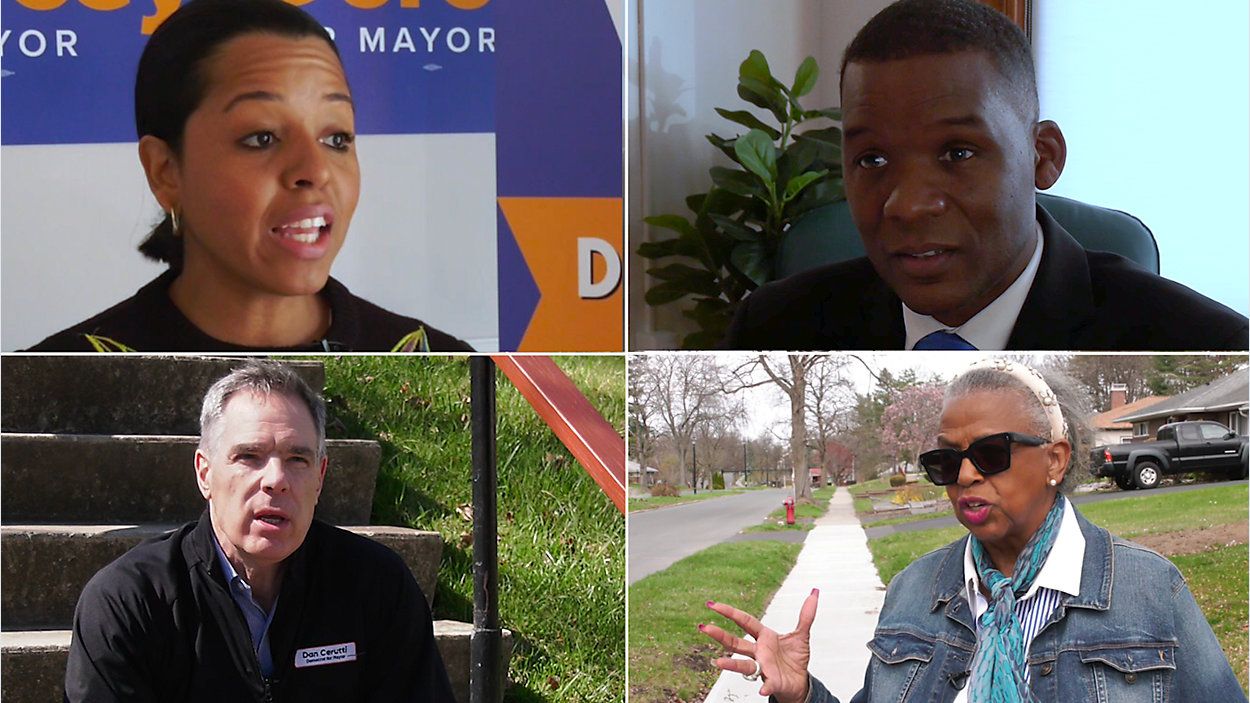
Former city councilor Carolyn McLeod takes a more cautious approach to expansion, arguing that the city must prioritize its current structural needs before greenlighting additional growth.
Public Safety Budgets and the Street Maintenance Fee Divide
All three candidates voice support for bolstering police and fire departments, though they differ on how to pay for it. Wark suggests securing outside state and federal funding to invest in advanced technologies, continued training, and staff support for a small police force he credits with reducing crime over recent years. Johnson echoes the need for federal grants for additional patrol officers and detectives, noting that the current municipal budget cannot sustain a large influx of new personnel on its own. McLeod plans to meet directly with police and fire leadership, the city manager, and state legislators to evaluate current funding sources and operational needs.
Fiscal policy friction recently surfaced when the Albany City Council approved a new street maintenance fee. Johnson cast the tie-breaking vote in favor of the fee, defending the balanced city budget and arguing the revenue is necessary to fix roughly 200 local roads. Wark supports the fee as a short-term stopgap measure. McLeod opposed the action, stating she would have voted against the charge.