When Wampanoag leader Massasoit approached the Plymouth settlement after hearing muskets in November 1621, he did not come bearing cornucopias to celebrate a harvest with peaceful neighbors.
That scene, taught for generations through construction-paper hats and idyllic textbook illustrations, bears little resemblance to the historical record. According to primary accounts written by former Plymouth Colony governor Edward Winslow in “Mourt's Relation: A Journal of the Pilgrims in Plymouth,” the Wampanoag arrived as an armed force because they took the sound of the settlers’ guns as a threat of battle.
The uneasy alliance that followed lasted roughly half a century before land disputes erupted into King Philip’s War, a conflict that left the majority of southern New England’s Native population dead, enslaved, or displaced by the late 1670s.
The 1970 Protest at Cole’s Hill
For many Indigenous communities across the United States, the fourth Thursday of November is observed not as a day of feasting, but as a National Day of Mourning.

This alternative commemoration began in 1970 when Frank James of the Wampanoag Tribe of Gay Head was silenced from delivering a speech about his people’s true history during the 350th anniversary of the Mayflower’s arrival. Prior to that epoch, the Wampanoag had already called present-day Massachusetts and eastern Rhode Island home for upwards of 11,000 years.
We, the Wampanoag, welcomed you, the white man, with open arms, little knowing that it was the beginning of the end, that before 50 years were to pass, the Wampanoag would no longer be a free people.
Frank James, Wampanoag Tribe of Gay Head
Since that silencing, the United American Indians of New England have gathered annually at Cole’s Hill in Plymouth to honor Indigenous ancestors and Native resilience. Organizers describe the gathering as a day of spiritual connection and a protest against ongoing racism and oppression.
Every year near Plymouth Rock, New England’s American Indian communities observe a day of mourning where they reflect on historical events and the legacy left behind by the arrival of the Pilgrims.
Origins of the National Holiday
The cheerful narrative surrounding the first Thanksgiving took root in the mid-19th century alongside the expansion of Manifest Destiny, according to resources from the National Museum of the American Indian.

Dennis Zotigh, a North American Cultural Specialist with the National Museum of the American Indian, emphasizes the diversity of Native Americans’ culture. There are probably over 700 tribes throughout what is now the United States, according to Zotigh.
He observes that while numerous Native individuals treat the occasion merely as a convenient gathering window—barely giving a thought to the 1621 origins while enjoying their contemporary turkey meals—others find the historical reality profoundly painful.
“Land was being taken, lives were being taken, culture was being taken, and Native people were being removed, and disease came and wiped out entire cultures, and battles took place,” Zotigh said, as reported by WTOP News.
Perspectives Across Native Communities
Native communities are not a monolith, and opinions about Thanksgiving vary. Autumn traditions extend far beyond the events of 1621. Native people of all tribes had Thanksgiving feasts all throughout the year in celebration of the harvest, whether of a buffalo harvest or a crop harvest that was important to them to celebrate the bounty, and these harvest celebrations still take place today.
In the Pacific Northwest, Kristina Pearson, executive director of Duwamish Tribal Services, reflects on the vital role women played during early frontier survival, such as the first winter after Denny party settlers came to the Puget Sound in 1851, when there were instances of folks not being able to feed their babies because there weren’t necessarily cows for milk here.
Pearson feels like women don’t get enough credit, imagining that Duwamish women showed colonial women how to use clam juice to feed their babies. Cecile Hansen has been chairwoman for the tribe for 51 years now. Meanwhile, grassroots efforts like Real Rent Duwamish provide direct financial support to the federally unrecognized tribe.
Many of us have to pay rent that we have no choice over, but we have the opportunity to pay rent to the first people of this land, the Duwamish tribe, who’ve been here since time immemorial.
Jerome Hagen, Duwamish Solidarity Group
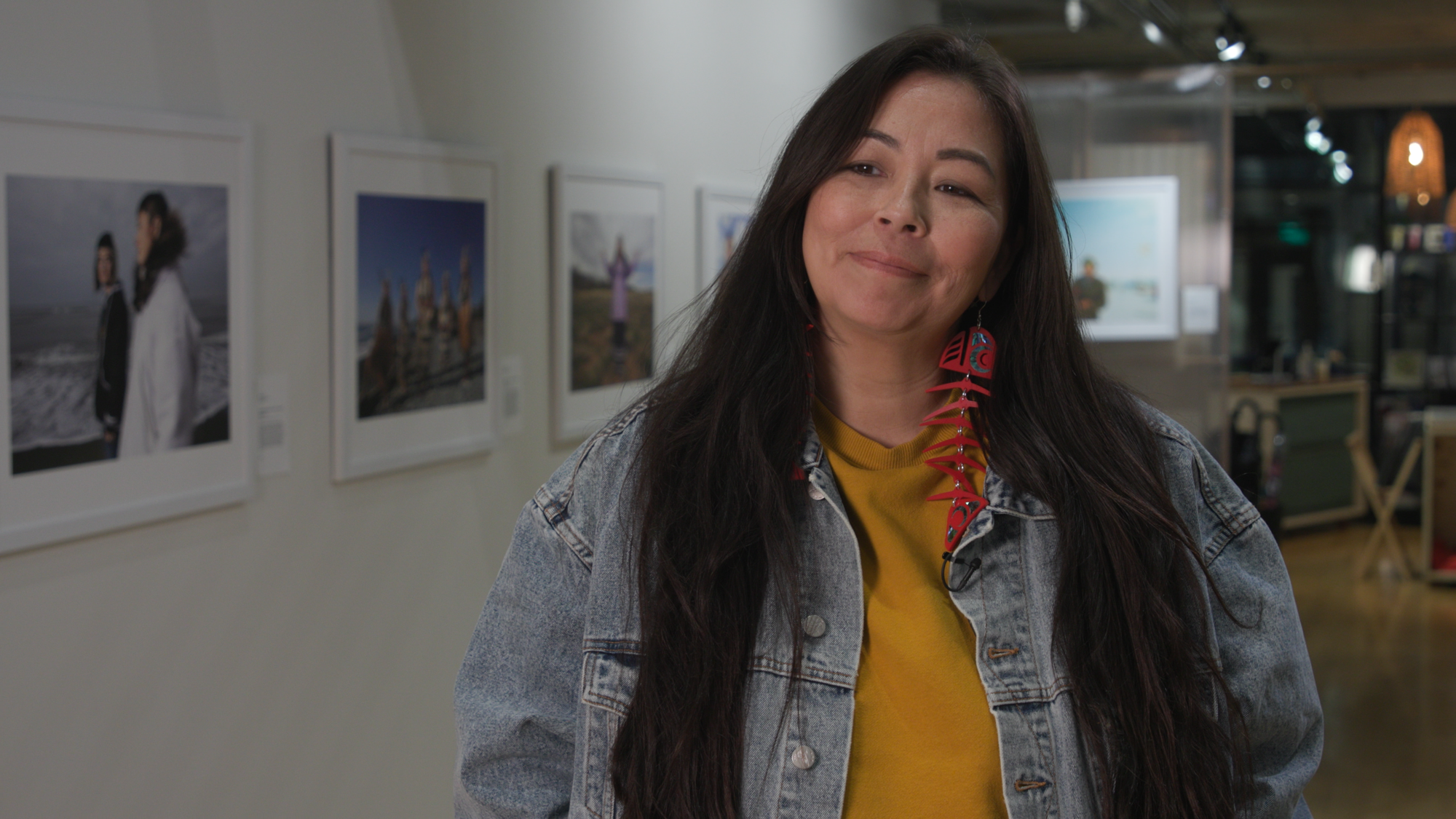
To local documentarian, art gallery owner, and Tidelands Native Art Gallery founder Matika Wilbur, reframing Thanksgiving involves studying the authentic history and adopting Indigenous wisdom continuously throughout the year rather than just in November. Whenever we talk about Thanksgiving, we have to acknowledge that it’s rooted in historical fallacy, according to Wilbur. “We’re not saying cancel Thanksgiving, right? Because it’s important we should give thanks,” Wilbur said, as reported by Cascade PBS.
“We should learn how to be people that are grateful for the abundance in our lives.” November is Native American Heritage Month, which serves as a platform that Indigenous people have to step on and remind people of the significance of their story and the myths that are perpetuated by the Thanksgiving holiday, while also learning how to be in relationship with and stewards of salmon, camas, huckleberries, and fresh, clean water.
Navajo Heritage and Community Observances
For Lucinda Long-Webb, who shares her Navajo traditions in Tse-ya-toh, near Gallup, New Mexico, the November holiday is not centered on the story of the first Thanksgiving. Native American Heritage Day is designated as the Friday after Thanksgiving and is a celebration of identity where community members share stories, special talents, humor, and the preservation and power of the Diné language. Instead of honoring the first Thanksgiving, community members share gratitude for their family and the blessings received throughout the year. Community remains at the heart of the celebration, with families gathering at the community Chapter House where they host a feast to celebrate families and the traditions that make the Diné who they are.
While people eat together, anyone can share stories or give advice on living a good life, remember Missing and Murdered Indigenous People, and share words of caution with families. Across the country, Native communities celebrate the month by gathering and attending powwows, cultural forums, workshops, and community events that promote sovereignty, solidarity, and cultural preservation.
Another November nationwide event is Rock Your Mocs, where participants wear moccasins and regalia to honor ancestors and celebrate heritage. This deeply appreciative outlook shines through in the Navajo expression Ahééh Hwiindzin—rendered by Long-Webb as an attitude of thankfulness—which is paired with shared meals and the performance of traditional Navajo tunes often recounting humorous life moments.