When the national midterms drove a blue wave through mainland politics last Tuesday, voters from Texas to the East Coast pointed straight at gas pumps and grocery receipts. Yet in Hawaiʻi, where the Democratic Party has held control for decades, the political power balance barely shifted, even as residents faced an affordability crunch.
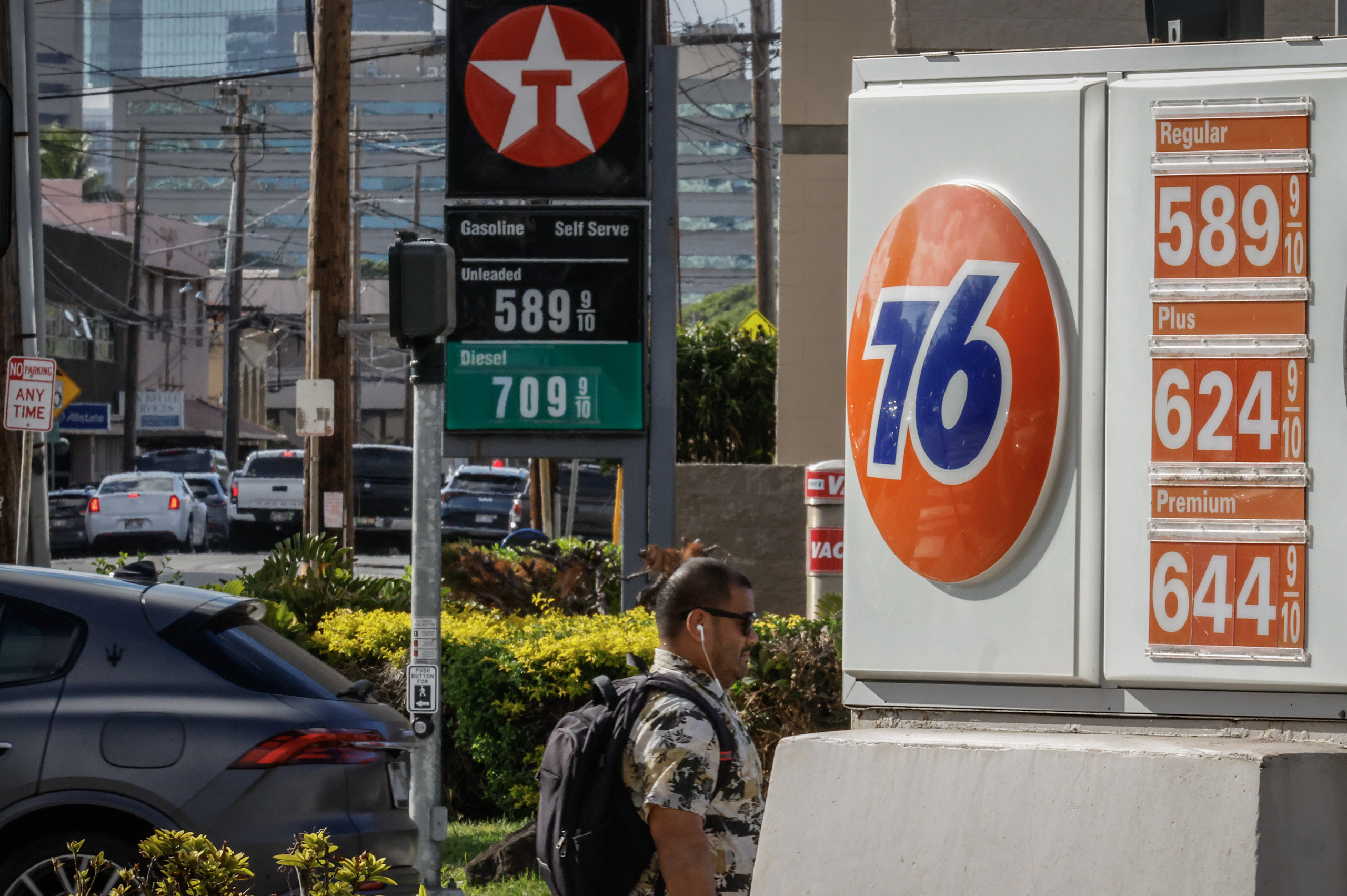
While a Dallas gas station clocked in at $3.60 a gallon, a standard fill-up in Kaimukī recently hit $5.86. That stark contrast captures the daily economic reality of living in the middle of the Pacific, where the cost of basic survival is a major issue. According to reporting from Civil Beat, the island state’s affordability crisis has been covered for more than 15 years, leaving residents at a breaking point as their paychecks do not keep up with costs.
The Real Engine Behind the Island Price Squeeze
To untangle why island prices bite so hard, economists point away from simple store markups and look directly at wages and geography. Steven Bond-Smith of the University of Hawaiʻi Economic Research Organization explained that while everyone talks about soaring food, housing, and healthcare prices, the real problem is that paychecks aren’t keeping up with those costs.
“There absolutely is a breaking point, particularly for people in Hawaiʻi, more so than on the mainland,” Bond-Smith said. “But it’s not because of changes in the cost of living.” Bond-Smith points out that the economy in Hawaiʻi in general has just been growing much more slowly than the rest of the country.
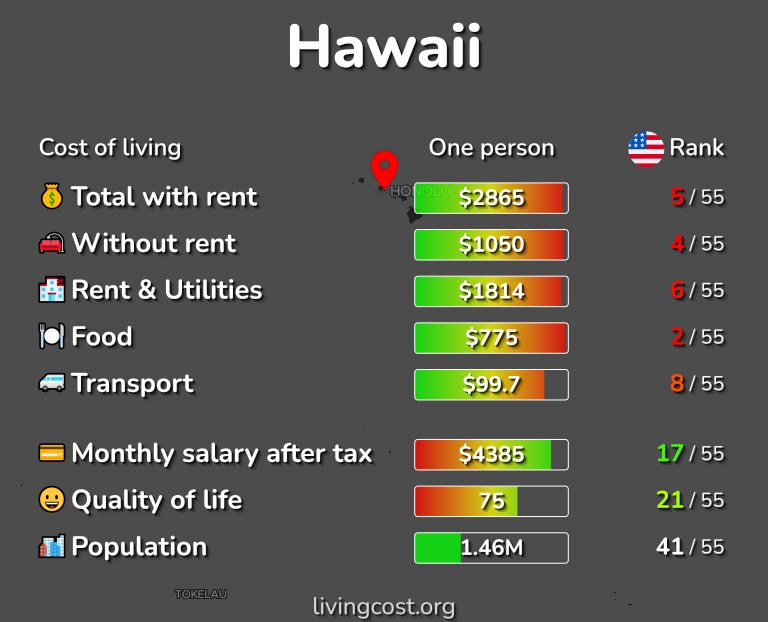
Decades ago, Hawaiʻi enjoyed higher GDP per capita and stronger incomes than much of the continental United States, softening the blow of high costs. Today, island incomes are about average — or just below. Factor in the cost of living, and Hawaiʻi ends up right down at the bottom.
Consider the housing market. Last year, the median price for a single-family home in Texas was around $300,000. In Hawaiʻi, it was more than triple that — close to $1 million. Yet, census data shows per-capita income in Hawaiʻi last year was $46,005, compared to $40,752 in Texas. The math leaves families across the islands experiencing cost of living pressures much the same as places in the U.S. normally associated with deep economic desperation, such as Appalachia and Louisiana.
Permitting Bottlenecks and Steep Mountains Restrict Housing Development
Housing remains a major issue for island families. The 2026 Hawaiʻi Housing Factbook opened with a reminder that Hawaiʻi residents face the highest housing costs in the nation. Bond-Smith points to a problem involving physical geography and a slow permitting system.
Steep mountains mean a lot of land here isn’t developable, creating a scarcity. But compounding that is a permitting system that is very slow and restrictive about where and what you can build. When there is a surge in demand, the permitting bottleneck leads to price increases.
Other regions facing similar constraints have found ways to loosen the pressure. In Auckland, New Zealand, zoning reforms required the city to have enough zoned capacity that the land market becomes much more competitive, which reduced rents by 28% on what it would have been had they not done that reform. Local leaders looking toward the opening of the Hawaiʻi Legislature on Jan. 20 face the challenge of addressing these costs at the state and county level.
Rising Healthcare Costs Batter Employers and Strain Families
Housing and fuel are only part of the equation. The rising cost of healthcare is battering Hawaiʻi employers with soaring costs for health plans covering hundreds of thousands of workers and their families, illustrating the effects of a healthcare system that experts say has become increasingly unsustainable.
For families, these systemic strains are part of a larger affordability crisis. As Civil Beat continues its coverage tracking income inequality and housing, lawmakers face pressure to address the trajectory of an economy that has been growing very slowly for the last 35 years. People have been complaining about the price of paradise since at least the 1850s.
Whether upcoming legislative sessions will address the permitting process and the trajectory of island wages remains an open question. For now, residents continue to deal with the high cost of living, waiting for paychecks to catch up to costs.