The Political Menu: Why a Casual Chain Became a Beltway Flashpoint
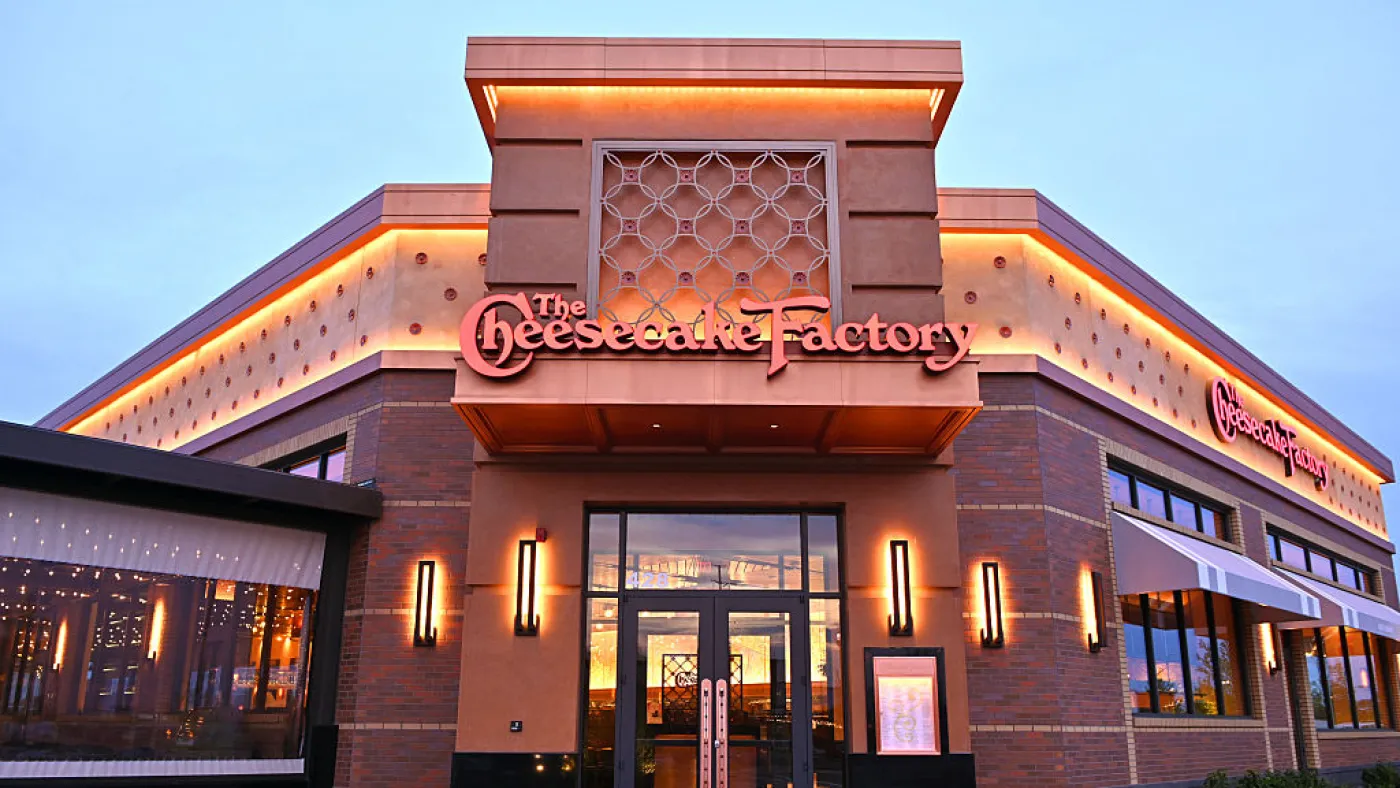
The Cheesecake Factory has unexpectedly found itself at the center of a national political spat, bridging the gap between presidential campaign rhetoric and the realities of modern American dining. The discourse ignited during a recent campaign event in Ohio, where former President Obama criticized President Trump’s aesthetic preferences, remarking that the current administration has the White House looking like “Saddam Hussein opened a Cheesecake Factory,” according to reporting from NPR.
The reaction from the Trump administration was immediate and literal. Treasury Secretary Scott Bessent opted to spend his lunch hour at a Cheesecake Factory location near the White House. While enjoying a French Dip Cheeseburger, Bessent issued a direct challenge to his critics, stating, “I had a great meal, always have a great meal. I would tell the Martha’s Vineyard set to give it a try.”
This exchange highlights a growing divide in how political figures utilize symbols of American culture to signal their alignment with different segments of the electorate. While the back-and-forth began as a jab at interior design, it has evolved into a broader conversation about the accessibility and character of the institutions that represent the American experience.
Yes, The Cheesecake Factory is kitschy, gaudy and over-the-top. Yes, it transcends the constraints of both diet and design.That’s why it’s such a juggernaut.Read more: 🔗 https://t.co/giCIwENT3l pic.twitter.com/buzXCZgp6F
State Dinners and the Argument for Mass-Market Menus
The political friction surrounding the chain has prompted questions about the necessity of high-cost diplomatic traditions. With discussions circulating about the potential $600 million price tag for a new White House ballroom, some are questioning why state dinners remain tethered to traditional, high-end culinary standards.
In a commentary piece published this week, the argument is made that if the goal of a state dinner is to showcase the breadth of American culture, the current focus on formal, multi-course menus might be missing the mark. The author notes that guests at these formal events are often served dishes like yellow squash velouté or a fricassée of fava beans, which are a far cry from the expansive options available to the average American.
By contrast, the Cheesecake Factory menu boasts more than 250 items. The argument posits that the inclusion of dishes like Chicken and Waffle Skewers, Tex-Mex Eggrolls, and Pickle Fries better represents the diversity of American tastes than the Dover Sole Meunière served to King Charles III earlier this spring. The piece suggests that the sheer variety of a standard chain restaurant menu aligns more closely with the American values of freedom and choice than the curated, singular focus of a traditional state dinner.
Diplomacy Through Deep-Fried Indulgence
The question of whether foreign dignitaries might prefer casual fare over formal state offerings remains a subject of humorous speculation. Reflecting on the 2018 state dinner for French President Emmanuel Macron, which featured a Goat Cheese Gateau, the column suggests that foreign leaders might actually welcome a change of pace.
“I can imagine a French president saying, ‘Forget the gateau! I want Asian Chicken Nachos! Wonton chips, peanut sauce and fromage fondu? Le yum!’” the author writes. The suggestion extends to the idea that a plate of Fried Macaroni and Cheese balls might prove more persuasive in trade negotiations than the standard diplomatic fare.
While the idea of replacing state dinners with casual dining is clearly a satirical take on the current political environment, it underscores a legitimate tension. As the nation grapples with the optics of government spending and the disconnect between political elites and the average voter, the Cheesecake Factory has become a shorthand for the “everyman” experience. Whether or not these restaurants are destined to host heads of state, the debate confirms that even the most mundane cultural touchstones are now fair game for the modern political battlefield.