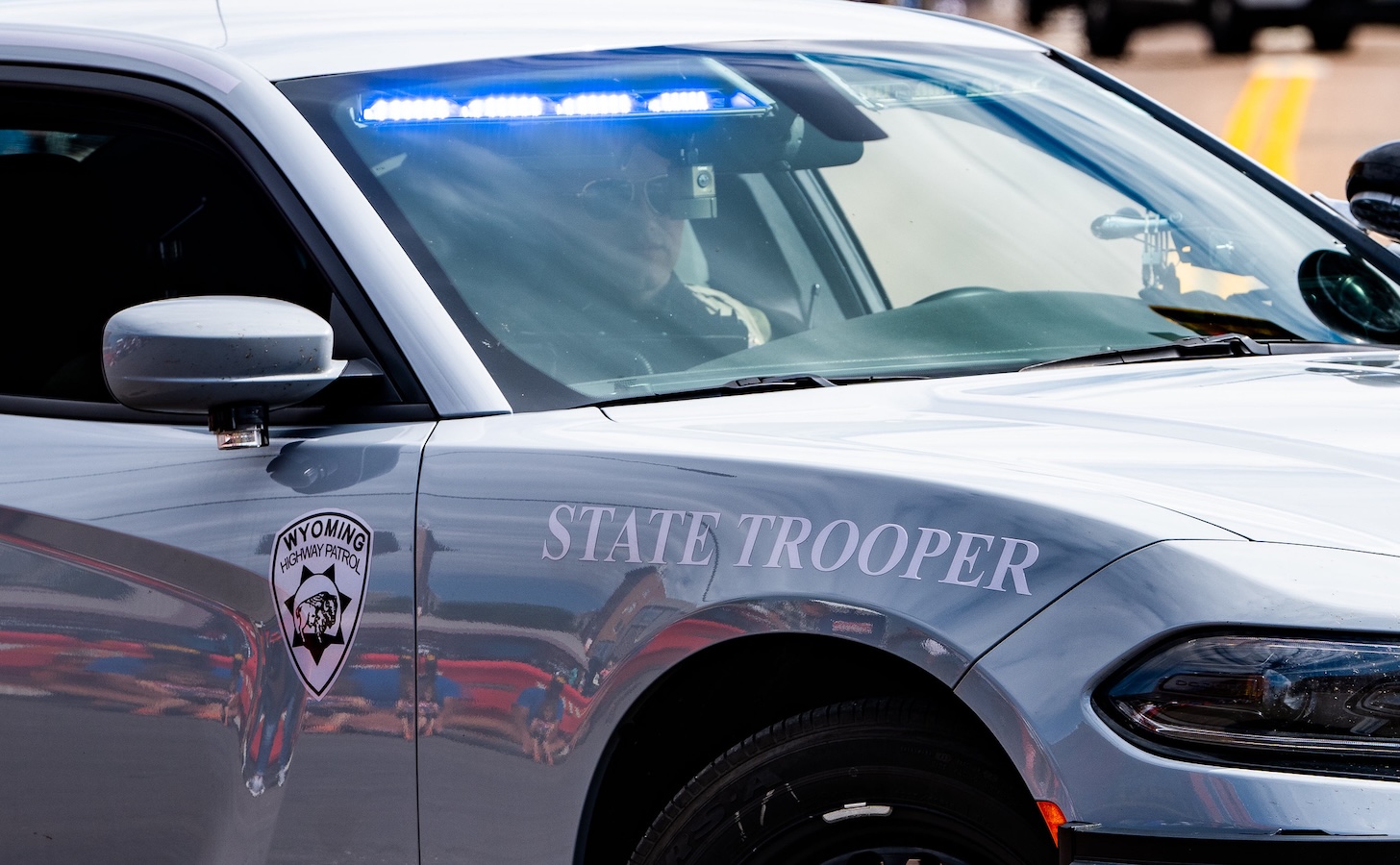
Wyoming Highway Patrol Tightens Belts After Multi-Million Dollar Overrun
The Wyoming Highway Patrol spent much of the last budget cycle operating under a fiscal shadow. As the agency finished its 2025-2026 biennium this past September, it faced a major budget overrun that forced the Wyoming Department of Transportation to impose restrictive measures on mileage and overtime. According to reporting by WyoFile, the agency’s financial strain became clear by late 2025, when it had already burned through nearly $4.9 million in overtime—a figure that far outpaced its $3.2 million allocation for the entire two-year period.
The situation highlights a delicate balancing act for state agencies: maintaining public safety while adhering to strict legislative appropriations. Doug McGee, a spokesperson for the Wyoming Department of Transportation, maintained that the agency’s financial health remains a priority. “It’s worth noting that the anticipated overrun was caught early enough that the actual shortfall did not reach an unmanageable level,” McGee stated, emphasizing that the department operates on a strictly balanced budget and would not carry a negative balance forward into the new fiscal year.
The Human and Operational Costs of Fiscal Limits
For the troopers patrolling Wyoming’s vast stretches of highway, these budget constraints were not merely abstract accounting errors. They translated into tangible changes in daily operations. To curb costs, the Department of Transportation imposed strict caps on the miles troopers could drive, a move that occasionally left patrol vehicles stationary in highway medians rather than actively roaming their districts. This policy, combined with existing staffing shortages, created noticeable gaps in coverage across the state.
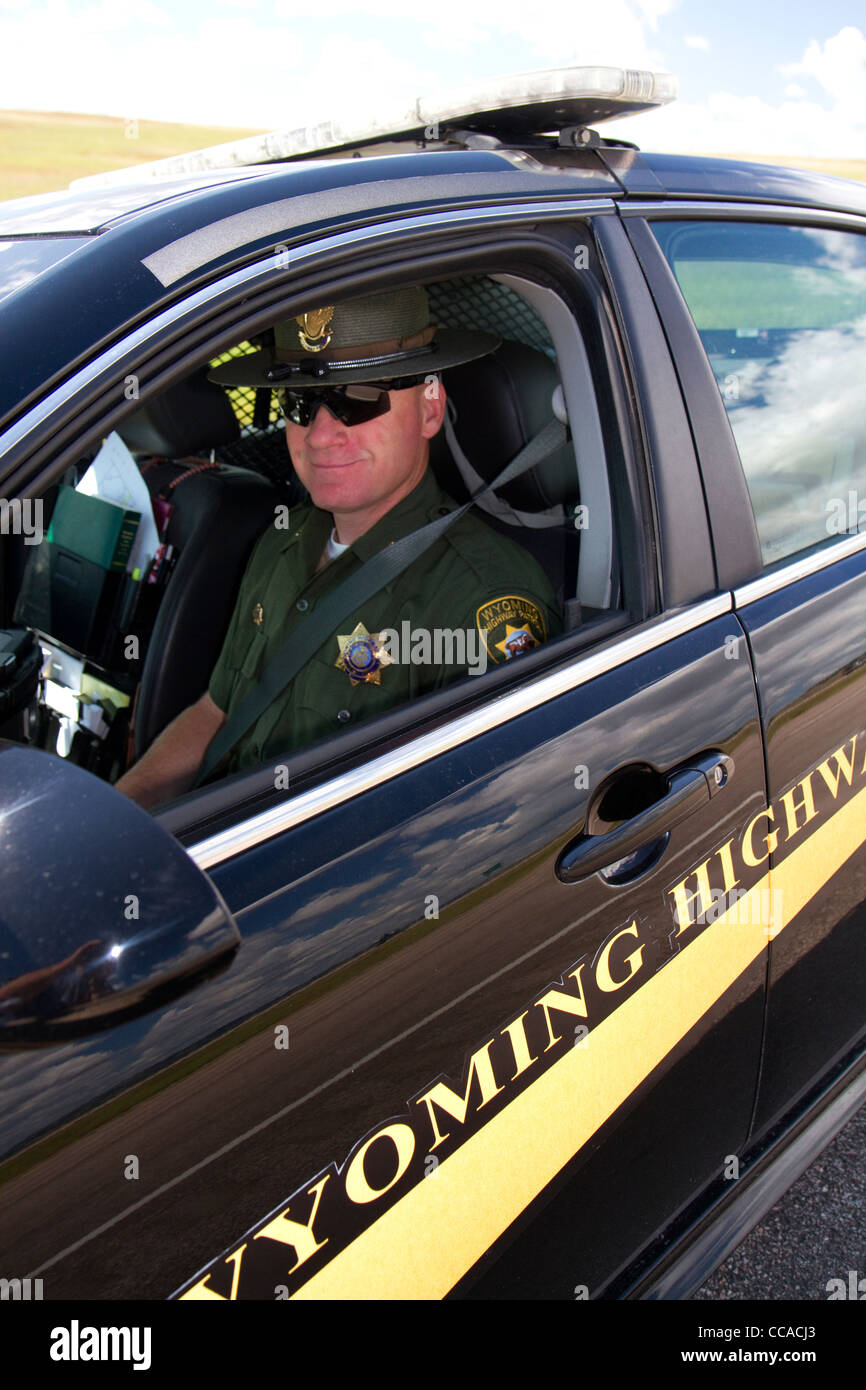
“At the end of the day, we have a budget. We got to stick with it. And if we have to stay within x number of miles, we have to stay within x number of miles,” said Darin Westby, director of the Wyoming Department of Transportation, during a meeting with lawmakers last week.
However, Westby clarified that these fiscal guardrails have clear limits. When major emergencies occur—such as the shooting incident in Baggs this past June—the agency prioritizes response over austerity. “Overtime be darned,” Westby told lawmakers. “We have a mission to uphold and we’re going to do that. We’ll take care of it on the back end.”
Shifting Gears for the 2027 Fiscal Year
As of October 1, the highway patrol has transitioned into a new budget cycle for fiscal year 2027. The state legislature has approved a $93 million biennium budget, a notable $13.6 million increase over the previous period. This infusion of capital is designed to address the root causes of the prior overspending, including salary boosts authorized by lawmakers and a broader internal reorganization. The goal, according to McGee, is to place more supervisors on the ground and refine district boundaries to improve response times.
The department also allocated an additional $4 million to cover rising operational costs, such as training and essential equipment like vehicle radars and body cameras. While the new budget provides more breathing room, the pressure to maintain fiscal discipline remains high. The agency is moving forward with a structure intended to prevent a repeat of the 2025 shortfall, ensuring that the necessary tools for law enforcement do not exceed the state’s available tax-funded resources.
Ultimately, the challenge for the patrol is one of geography and logistics. Wyoming’s expansive road network requires significant fuel and man-hours, and as wage competition for law enforcement personnel intensifies across the region, keeping a full roster of troopers on the road remains a costly endeavor. Whether this new budget cycle finally reconciles the high demand for state-level police coverage with the reality of legislative spending limits will be the defining test for Col. KC Ramsey, who took the helm last month following the retirement of Col. Tim Cameron.