More than 160 writers and illustrators have signed an open letter warning that proposed changes to Northern Ireland’s library services “could pave the way for book bans, restrictions for minority group visibility and library closures”.
- More than 160 writers and illustrators, including Oliver Jeffers, Jan Carson, Wendy Erskine, and Lucy Caldwell, signed the open letter.
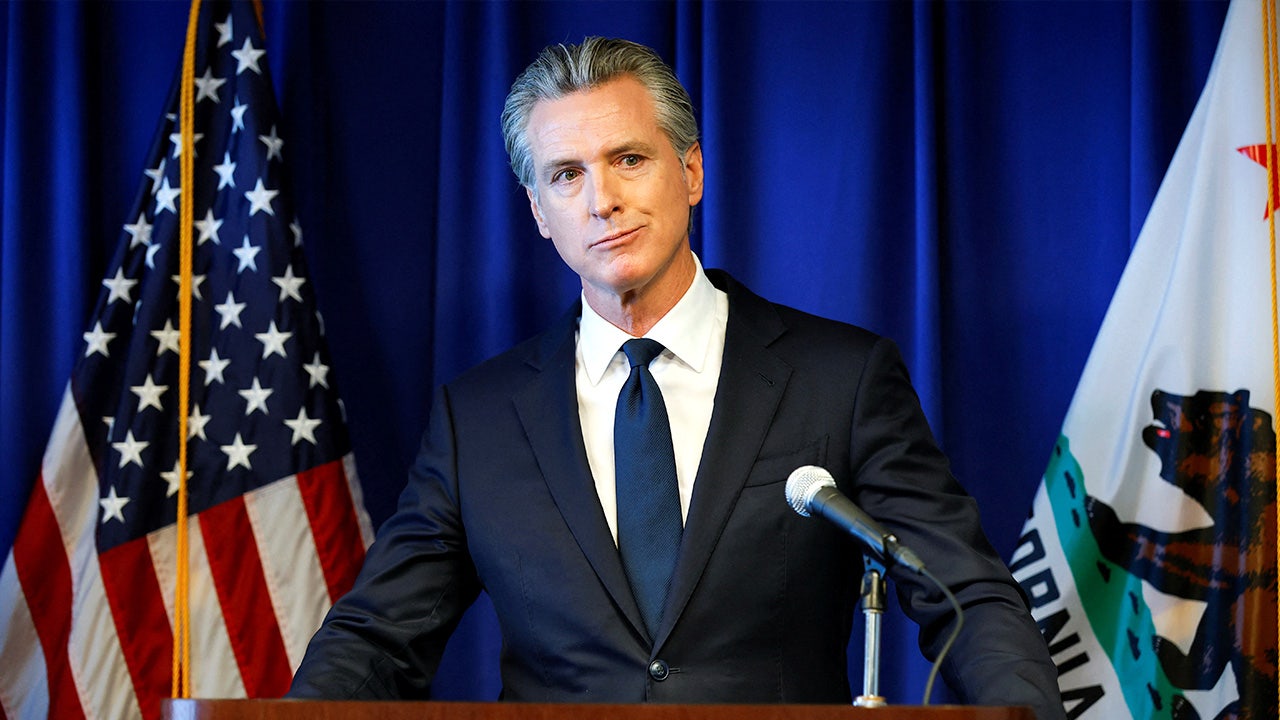
- Communities Minister Gordon Lyons stated that librarians will decide book stock and that he wants libraries to remain open to all on the same basis.
- The Department for Communities consultation on library services over the next decade closes at 23:59 GMT on Wednesday.
Northern Ireland Library Consultation Sparks Censorship Warnings
The Department for Communities draft sets out 16 aims for public libraries over the coming decade. These include improving literacy, supporting health and wellbeing, widening access to digital services, and keeping flags, emblems, and political displays off general library premises. The draft adds that the size and location of libraries could be considered over the next decade.
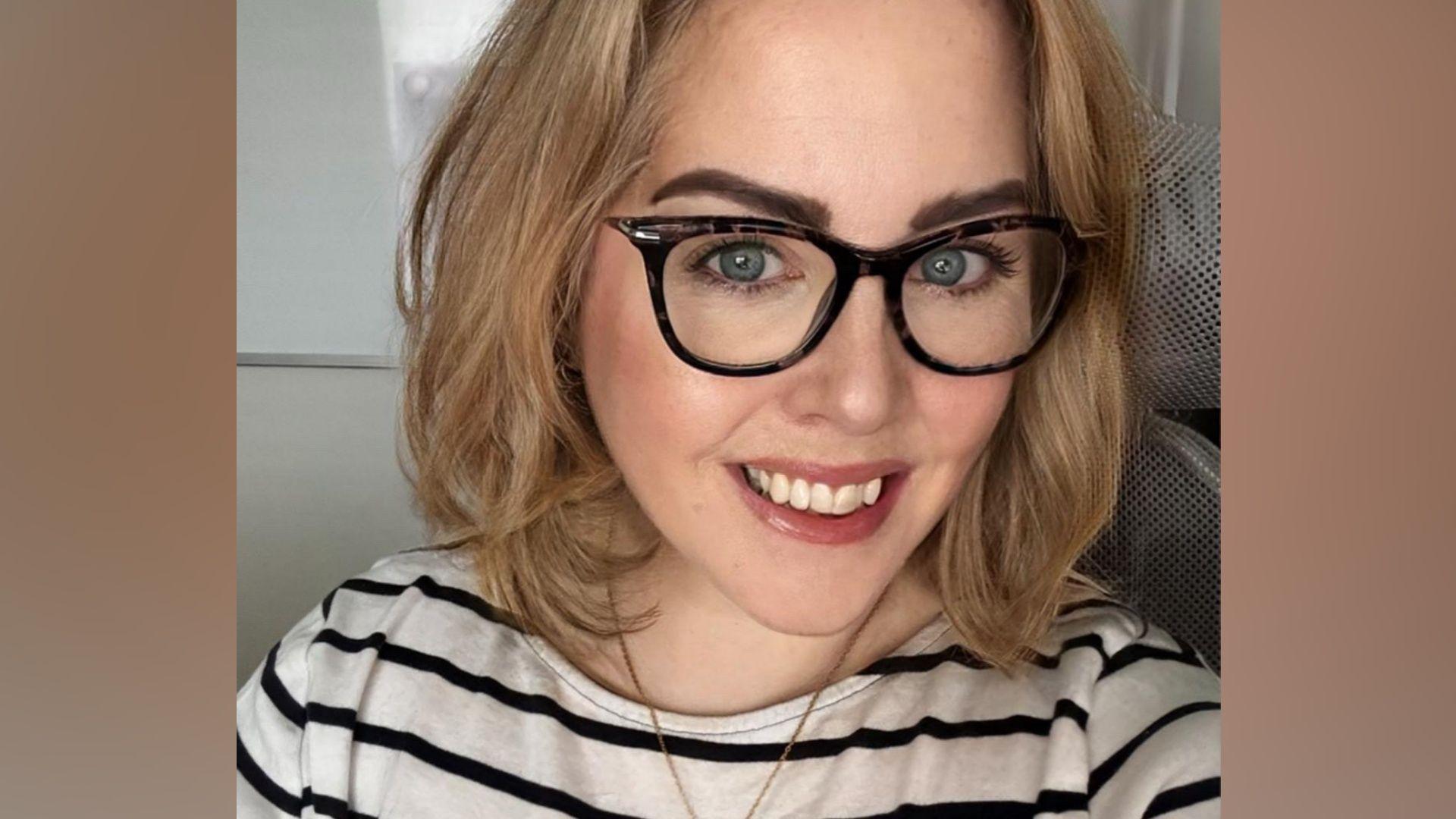
Signatories to the open letter argue that the proposed neutrality rules go too far. Author Claire Allan described the plan as “stealth censorship” during an interview with BBC News NI, warning that marginalised groups would bear the brunt of the changes. She stated that libraries should be places where people are introduced to cultures and experiences beyond their own, adding that literature is not and should not be neutral.
Anything which risks further cuts, closures and limitations on stock is deeply worrying.
Claire Allan, Author
Allan added that their work, their stories and their interests will become invisible, pointing specifically to LGBTQ people and people of colour.

Dispute Over Neutrality and Political Displays
Stephen Daly, Northern Ireland’s Children’s Writing Fellow, helped draft the letter of concern. Speaking on BBC’s Good Morning Ulster programme, Daly questioned the language used in the consultation because it could affect what people find in their local library. Daly noted that the department stated Libraries NI would arrange and provide material so parents can make informed choices for their children, pointing out that librarians already ensured age-appropriate books were placed in the right area.
He asserted that parents or individuals in the community should not be able to dictate what other parents want their children to read.
Daly shared that librarians he spoke with privately were worried about displays marking Pride or Black History Month, fearing they would be told what they could and could not put out on a shelf after witnessing how positive those displays were for making people from different backgrounds feel welcome.
Communities Minister Gordon Lyons defended the consultation framework, encouraging people who disagreed with the proposals to respond before the consultation closes.
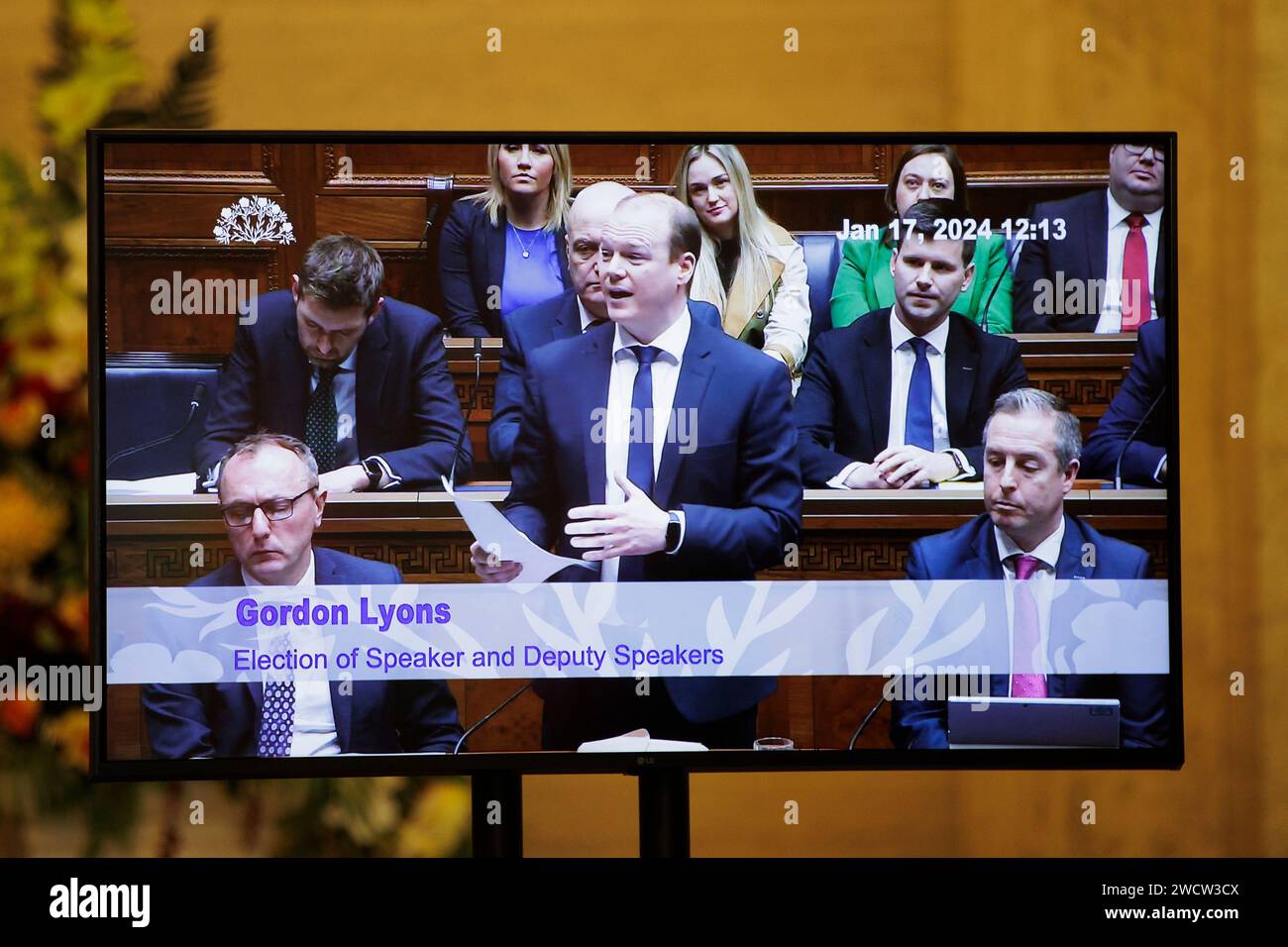
Politicians or the department don’t decide what books we put into our libraries. We decide what the policy is, and then we leave it over to the professionals to implement that.
Gordon Lyons, Communities Minister
When questioned directly about whether Pride and Black History Month displays would remain permitted under the new rules, Lyons offered no guarantees. He stated that no, I can’t because those are inherently political in nature.
Financing Concerns and Future Access
Crime author Brian McGilloway said he had concerns over the failure to outline future financing of libraries.
Addressing the future of the sector, the Department for Communities exercises responsibility for public libraries in Northern Ireland through its sponsorship of Libraries NI, the body tasked with delivering public services across the region. Within this framework, the Department’s Culture Policy Branch oversees the ongoing consultation intended to establish a new strategic vision and direction for public libraries over the coming decade.
concerns over the failure to outline future financing of our libraries
Brian McGilloway, Crime Author
McGilloway warned that any politicisation of public collections creates a risk of censorship that historically targets minority and marginalised voices. The Department for Communities noted that rising digital service use could reduce physical branch visits, leaving branch sizing and locations open to review over the next ten years.