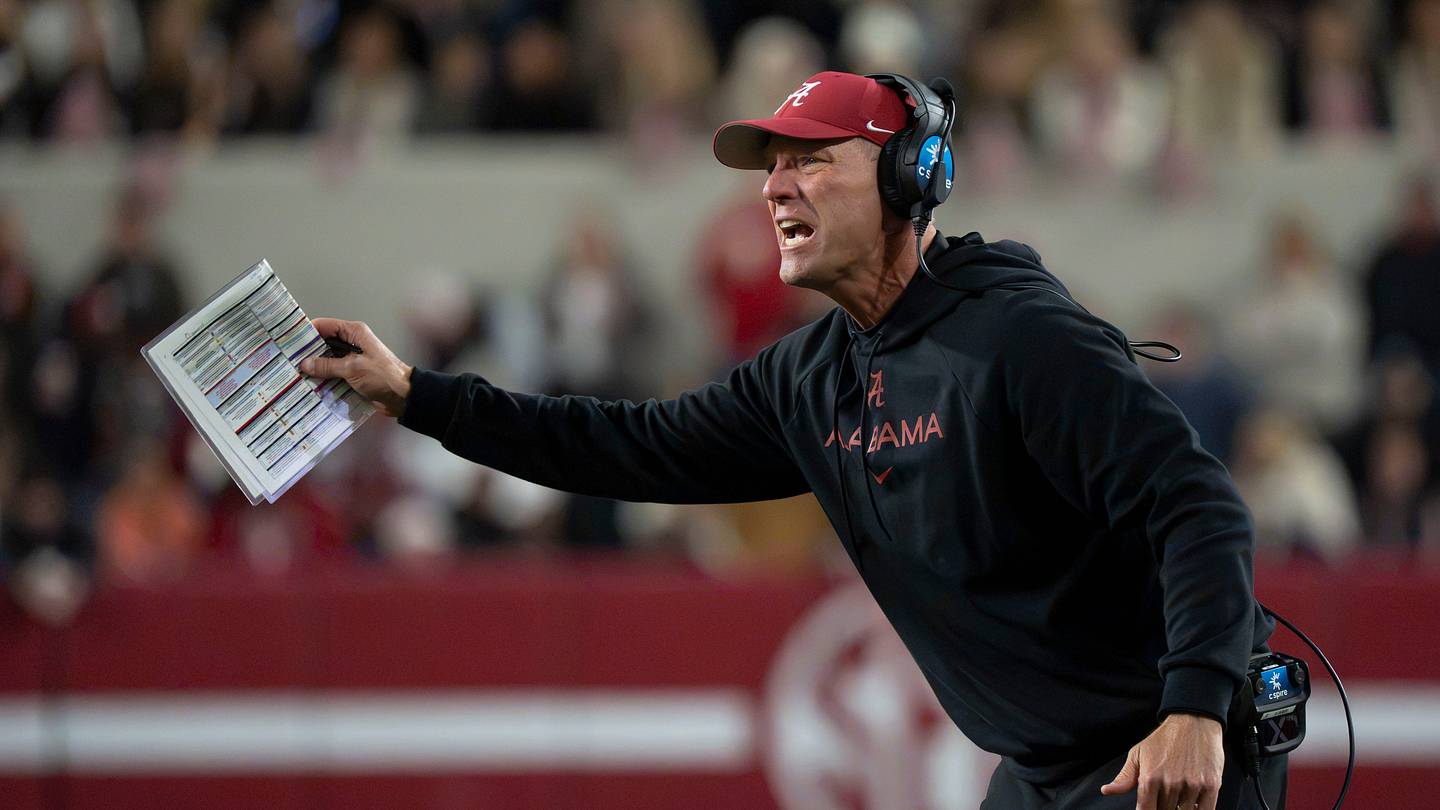
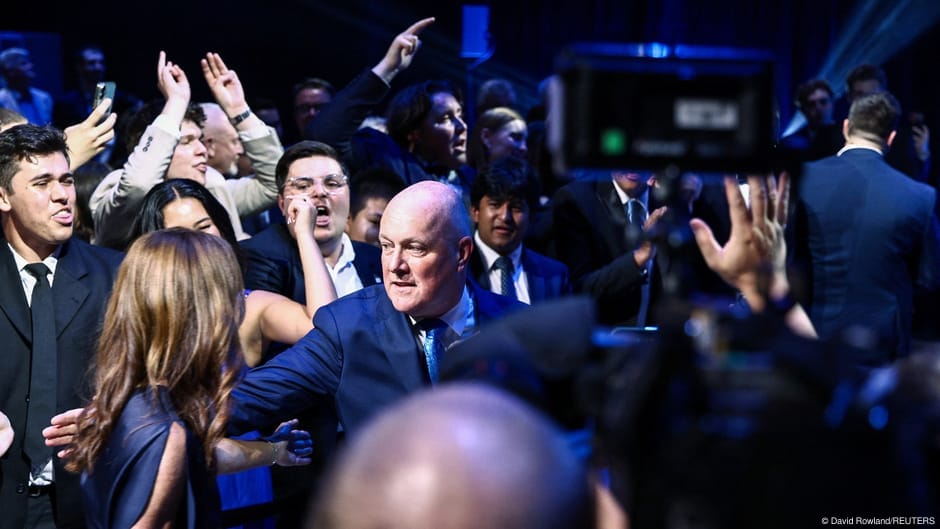
New Zealand Prime Minister Christopher Luxon fell short of a parliamentary majority by a single seat in the November 7 election, as official results released by the Electoral Commission on November 27 confirmed a hung parliament.
- Prime Minister Christopher Luxon’s ruling right-wing coalition secured 65 seats, leaving it one short of the 66 required for a majority in the 130-seat parliament.
- The centrist Opportunity Party won seven seats in its first entry to parliament, leaving party leader Qiulae Wong holding the balance of power.
- The left-wing opposition bloc, led by the Labour Party’s Chris Hipkins, won 58 seats, making a center-left government impossible even with Opportunity’s backing.
Special Votes Flip Three Seats
Preliminary counts on election night had projected that the incumbent three-way coalition—comprising Luxon’s National Party alongside ACT and New Zealand First—would hold a slim, two-seat majority. That projection vanished on Friday after election authorities finished counting 400,000 so-called special votes, which included ballots cast by New Zealanders living abroad.
With an 81.9% voter turnout in Wairarapa, Labour’s Kieran McAnulty secured an 81-vote victory, successfully wiping out National incumbent Mike Butterick’s 139-vote advantage from election night, whereas in Hamilton East, Labour’s Georgie Dansey wiped out a 456-vote deficit to defeat National’s Ryan Hamilton by 173 votes on a 74.7% turnout. Those shifts dropped the National Party to 40 seats.
ACT retained 13 seats and New Zealand First held 12, bringing the right-wing bloc’s total to 65 seats in the 130-seat house where 66 are needed to govern.
Meanwhile, Labour captured 36 seats, with final figures showing the party secured 863,238 party votes—equal to 29.88 per cent—which placed them ahead of National’s 819,012 party votes, or 28.35 per cent. Total seats for the left-wing opposition reached 58, with the figures leaving a new entrant to Parliament, the Opportunity Party, with seven seats.
Opportunity Party Holds Kingmaker Role
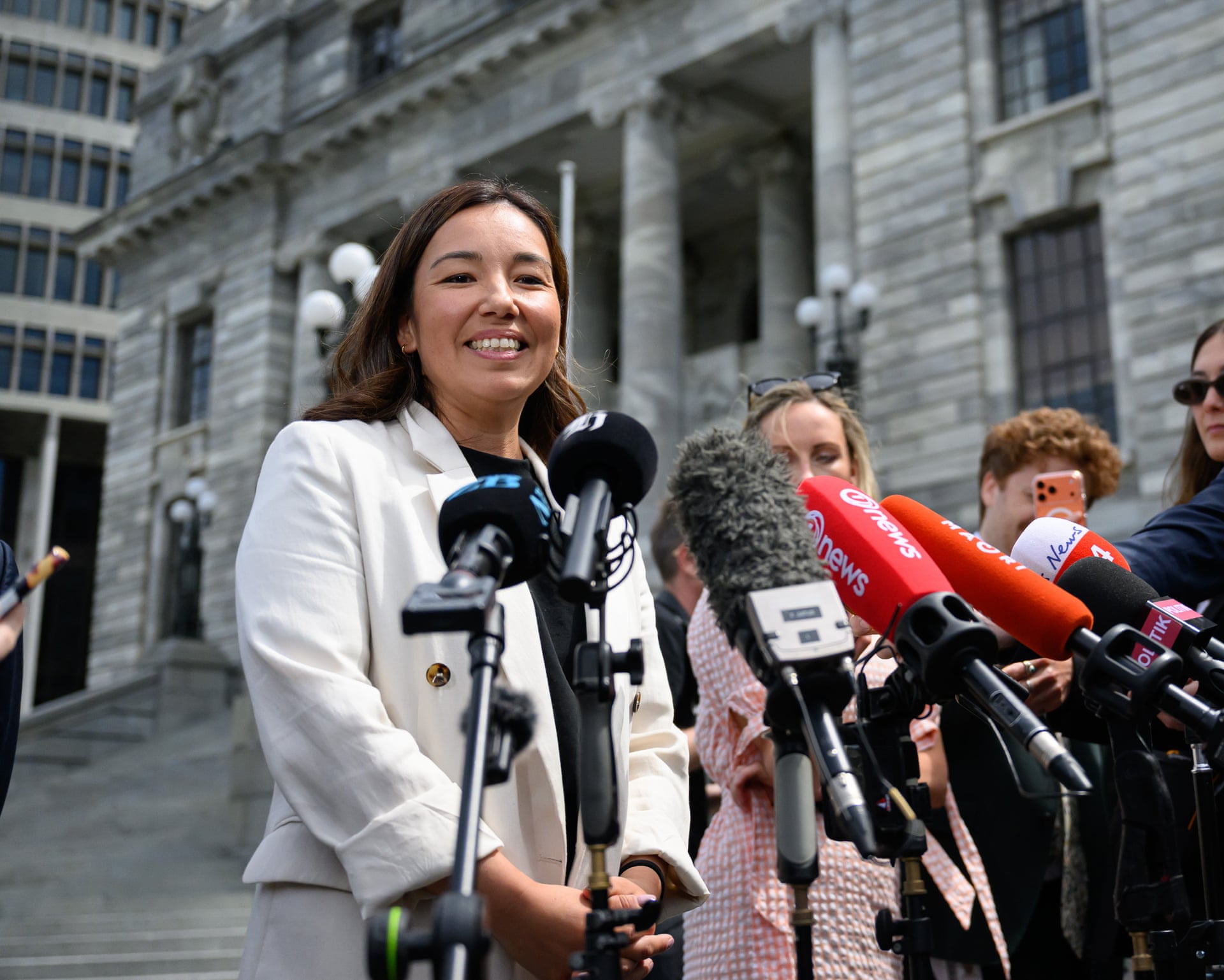
The stalemate leaves the Opportunity Party in a decisive position. Established in 2016 by economist and businessman Gareth Morgan in pursuit of evidence-based centrist policy ideas, the centrist faction cleared the 5% barrier during its fourth run by securing 6.06% of the party vote.
Fifteen months after spotting a job ad seeking a new leader for a political party, Wong secured seven seats and 6.1% of the vote, placing her in prime position to play kingmaker as Luxon rushes to piece together a workable coalition. Massey University politics professor Richard Shaw told Agence France-Presse that Wong and another political figure mark a different style of politics.
Wong told reporters in Wellington on November 27 that her party would negotiate with National as the political force with the largest number of seats, while refusing to rule out any outcome.
“There are seven parties in parliament and everyone is responsible for making sure we do everything we can to deliver a stable government for New Zealand. It’s not just up to us,” Wong said.
Luxon Faces Difficult Coalition Talks
Luxon acknowledged that forming a government will prove difficult as he prepares to negotiate with up to three minor parties, potentially creating the country’s first four-party coalition. Formal negotiations will begin with the final result now known.

“Kiwis won't thank us for rushing to an agreement that falls apart or for sending them back to the polls,” Prime Minister Christopher Luxon told reporters.
Hipkins conceded that his centre-left coalition of Labour, the Green Party and Te Pati Maori could not form a government even with Opportunity’s votes.
Complicated Bargaining Ahead Over Foreign Minister Role
Opportunity Party leader Qiulae Wong previously ruled out participating in any administration where Winston Peters held the portfolio of foreign minister, according to reports from The Daily The Telegraph and Bangkok Post. That boundary was drawn after Peters directed a Chinese-born lawmaker to return to their country of origin during parliamentary proceedings, as noted by Agence France-Presse.
Prime Minister Christopher Luxon admitted during a press conference reported by Agence France-Presse that he had previously ruled out working with the centrist party before facing the necessity of reaching an accord. Political Luke Oldfield told Agence France-Presse that the three governing parties and Opportunity are expected to engage in deal-making despite the complexity.
Special Votes Overturn Results in Three Key Electorates
The decisive shifts in seat counts were driven by 484,865 special votes, which amounted to 16.5% of all ballots cast and far exceeded initial projections of 400,000, according to The Conversation. Those late ballots reversed provisional outcomes across multiple districts.
National candidate Rima Nakhle managed to retain the seat of Takanini by a margin of 459 votes over Labour opponent Kharag Singh, while Lloyd Sam Budd secured Whangārei by 685 votes ahead of Gary Payinda, as reported by The Conversation. In Nelson, Blair Cameron maintained the electorate for National by 1,083 votes over Rachel Boyack, according to the same publication.
Election Uncertainty Delays Government Formation
Economists Kelly Eckhold and Darren Gibbs from Westpac New Zealand said that given the complicated election result, it will be very challenging to form a government before Christmas, and uncertainty may plague markets for a while. Following the release of the election outcomes, the New Zealand dollar experienced a mild bounce upwards, having previously touched a 17-year low relative to the US dollar earlier in the week.
By a tight 4–3 margin, the Reserve Bank of New Zealand maintained the Official Cash Rate at 2.75% during its October 28 gathering, with three members of the Monetary Policy Committee pushing for an immediate 25bps rate hike, while the central bank targets a medium-term inflation rate between 1% and 3%, placing its primary emphasis on anchoring it close to the 2% midpoint.
The centrist Opportunity Party is based on evidence-based policy and secured its first elected office in the 2022 local elections with one member on the Featherston Community Board in the South Wairarapa District.
Following lower shares in earlier general elections—winning 2.4% of the party vote in 2017, 1.5% in 2020, and 2.2% in 2023—the party rebranded in November 2025 with updated policy priorities under new leader Qiulae Wong, ultimately breaking through to enter Parliament with seven seats in the 2026 general election.
Political analysts and financial observers warned that the coalition talks could extend past Christmas, mirroring the 40 days of negotiations that followed the 2023 election. If Luxon fails to strike an agreement with Opportunity or other parliamentary factions, New Zealand faces the prospect of returning to the polls for a fresh election in early-to-mid 2027.