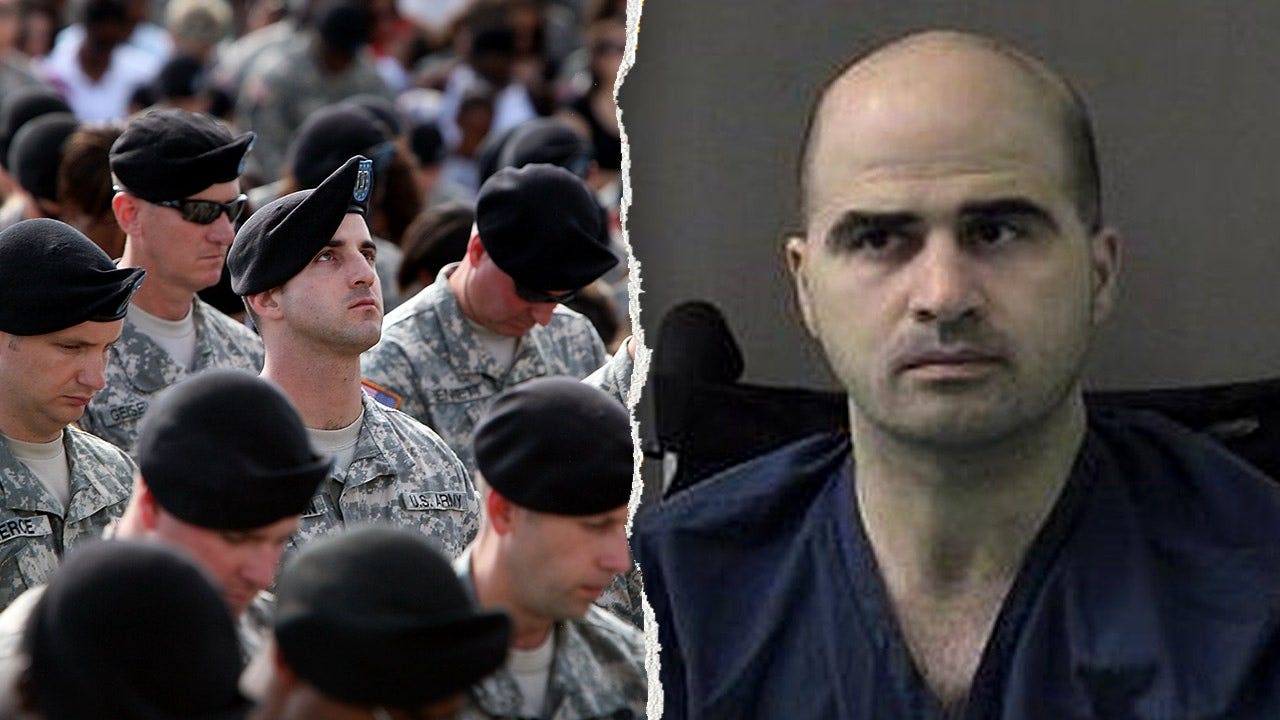
Nidal Hasan asked a federal court to halt his scheduled December execution at 1 p.m. on Dec. 3 at Fort Hood, Texas, while he challenges his death sentence.
Hasan Mounts Legal Challenge to Stay Execution
Hasan filed a motion for a stay of execution in civilian court. The American Civil Liberties Union and the ACLU of Kansas act as standby counsel.
The filing aims to pause the execution so Hasan can submit a habeas corpus petition. That petition requires the government to justify a person’s continued detention under federal law.
In the signed court document, Hasan said that he intends to demonstrate that the military court’s judgment and his resulting sentence of death were obtained and are maintained in violation of his federal constitutional and statutory rights. He remains on military death row at Fort Leavenworth, Kansas.
“We urge the court to stop the government from bypassing Mr. Hasan’s due process rights in its rush to carry out this execution,” said Anna Arceneaux, deputy director of the ACLU’s Capital Punishment Project.
Trump Confirms Firing Squad Without Public Stream
The military scheduled Hasan’s execution for 1 p.m. on Dec. 3 at Fort Hood, around the time the attack occurred on the base. Defense Secretary Pete Hegseth initially proposed livestreaming the execution, telling a conservative news outlet that publicizing the event would show serious consequences for such crimes.
That proposal drew immediate bipartisan backlash. Lawmakers, human rights organizations, and religious leaders warned it could serve as jihadist propaganda and fulfill Hasan’s desire for martyrdom.
President Donald Trump subsequently announced that the execution would not be broadcast online. Trump said on Truth Social that while livestreaming might have served as a strong deterrent, there are other people who would rather not watch him die through any visual device, confirming that he will die by firing squad as scheduled without a public stream.
Army Sends Personnel Home for Execution Mission
Due to the upcoming execution, the military is sending a large portion of personnel home from the installation. Most units at the Texas base began instructing soldiers to expect a Day of No Scheduled Activity, known as a DONSA, on Dec. 3.
An Army official said that the measure ensures all necessary resources remain directed toward the execution mission. A minimal staff consisting of personnel handling security, logistics, and media operations will remain on site, alongside members of the Army Corrections Brigade flying in from Fort Leavenworth, Kansas.
Survivors Relate Lasting Trauma and Betrayal
Retired Colonel Kathy Platoni said that the manner in which the military handled the case created deep anguish for those affected. Platoni said that she faced repeated institutional betrayal by the military authorities.
“We have faced institutional betrayal after institutional betrayal,” Julia Wilson said. Wilson said that the ongoing ordeal has left her continuously scanning for threats and feeling profound disappointment.
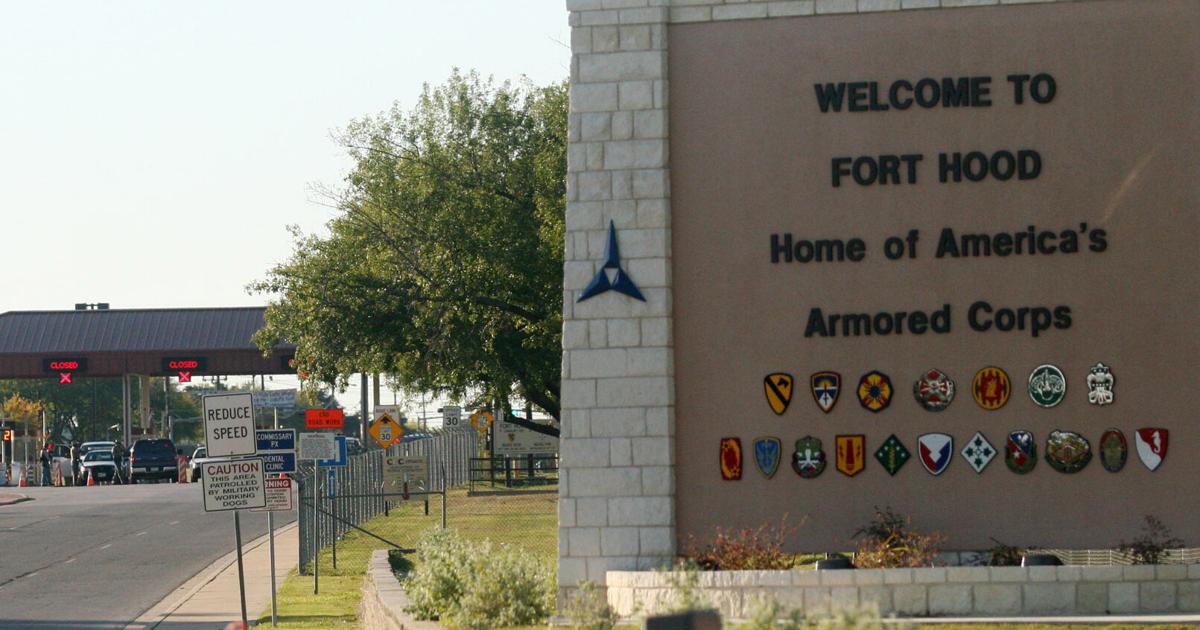
Military Denies Witness Access for Fort Hood Survivors
Military officials informed three survivors of the 2009 attack that they will not be permitted to witness the execution. The Army rejected their requests and subsequent appeals, citing security and space issues under regulations governing military executions.
The three survivors argued that the military should apply a different definition of a victim under the Uniform Code of Military Justice. That code includes anyone who suffered direct physical, emotional, or pecuniary harm.
Because they were not struck by bullets, officials ruled they did not meet the narrower definition of direct victims required to attend under standard regulations.
Platoni, who would have served as Hasan’s supervisor during a planned deployment to Afghanistan, said that the survivors from her unit deployed 29 days after the attack because they still served their country. Julia Wilson, who was nine months pregnant when the shooting took place, also had her witness request denied, describing the decision as another instance of institutional betrayal.
“I'm disappointed that our status as victims is not recognized,” retired Major C. Alan Hopewell said.