A 74-year-old man with Alzheimer’s walked out of his home on the edge of the Amazon rainforest on November 10 and survived 11 days by eating buriti fruit, drinking from forest streams, and sleeping in beds he wove from açaí palm leaves.
Rescuers found Janarino Ferreira dos Santos on Friday, November 20, about 10 kilometers from Macapá, the capital of Amapá state in northern Brazil. He was sitting barefoot in his underwear, unable to speak or walk, and severely dehydrated.
- Former miner used childhood rainforest knowledge to survive 11 days alone.
- Granddaughter’s Instagram plea kept search alive after authorities planned to suspend it.
- Rescuers tracked circular footprints and fresh palm-leaf beds to locate him.
- He is recovering in a Macapá hospital with a urinary tract infection.
A former miner’s instincts kept him alive
Dos Santos had worked in the rainforest as a young man, first as an informal gold prospector and later in other forest jobs. That experience gave him a practical knowledge of the terrain that Alzheimer’s could not erase.
“When he was younger he had worked in the rainforest, so he knew how to get around,” park ranger Aniel Cardoso said. He identified edible buriti palm fruit, located natural water sources, and constructed sleeping platforms from açaí leaves — one bed at least four days old, another made the morning he was found.
Ranger Nerivan da Silva told local outlet g1 that searchers also noticed a strong smell of urine at one of the shelters, a detail that matched the family’s description of his urinary problems and confirmed they were on the right trail. Footprints showed he had been walking in circles, disoriented but still moving.
Dos Santos left his home in Macapá while his relatives were visiting a neighbor, according to Cardoso. Macapá sits on the northern bank of the Amazon River’s mouth, close to the equator. The search began one day after his disappearance following a report by his family, bringing together family members, volunteers, firefighters, park rangers, and public safety teams who faced difficult conditions in the forest.
The search almost ended before he was found
Family members, firefighters, park rangers, and volunteers had searched for nine days using helicopters, drones, thermal cameras, and ground teams. On November 22, authorities planned to suspend the operation. That morning, his granddaughter Sara Montes posted a video on Instagram: “Don’t forget about us. Don’t forget about Grandpa.” Two days before the planned suspension, rescuers following his footprints located the fresh açaí-leaf bed and found him nearby.
Firefighters and specialized teams used ground searches, helicopter and drone overflights, and thermal cameras to look for signs of the missing man. After nine days of searching with no news, his granddaughter Sara Montes urged firefighters to keep looking.
In a video posted on Instagram on the ninth day of his disappearance, she said they planned to suspend the search on Sunday, November 22, and pleaded, “Please don’t forget us and keep searching for our grandfather until the end.”
A rescue that contrasted with a recent tragedy
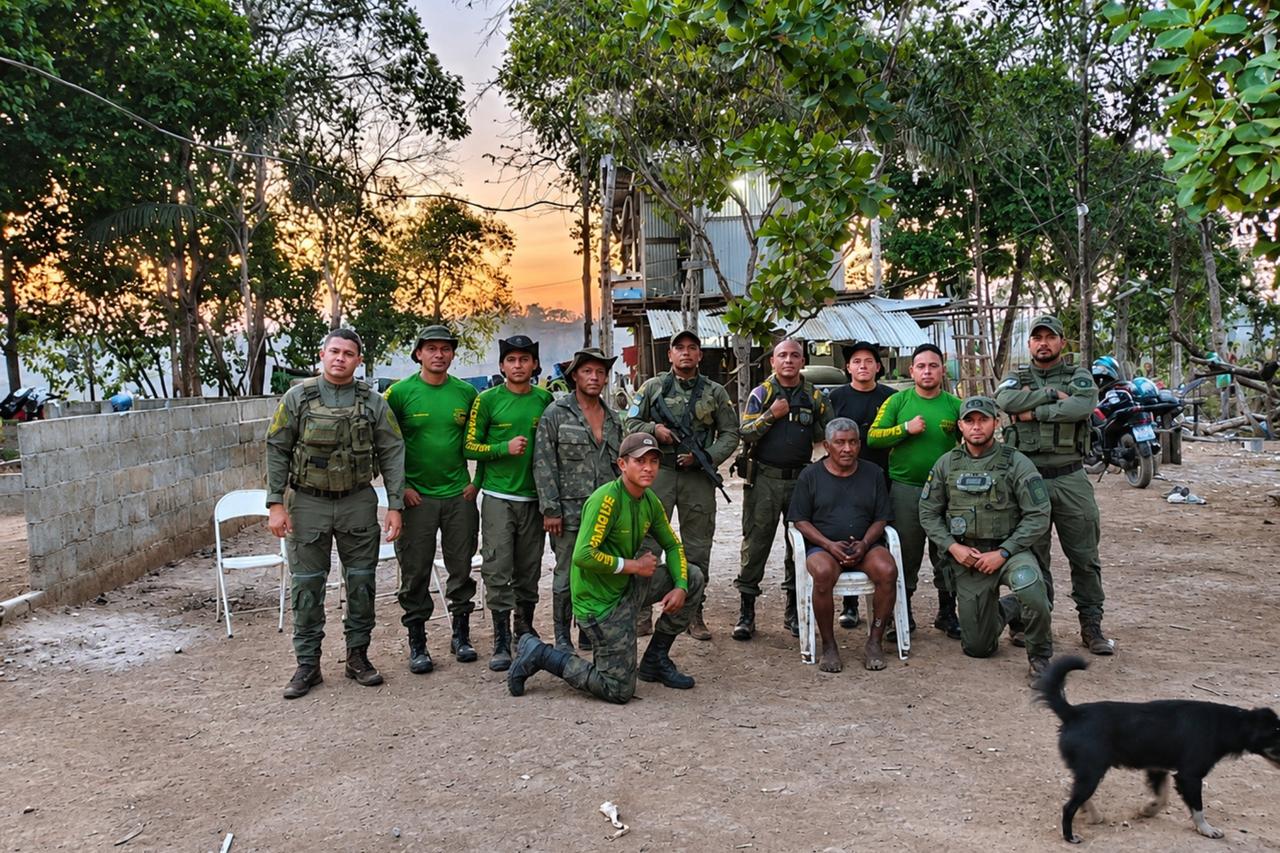
Cardoso said the outcome felt especially meaningful because two months earlier, another man had gone missing in the same area near Macapá and was found dead. “This time, thank God, we were able to deliver this citizen alive,” Cardoso said. He described the discovery as “very gratifying” for the entire team.
Dos Santos was carried out on an improvised stretcher made from ropes — dense vegetation, flooded areas, and swampy ground made walking impossible — and taken to the Hospital de Emergências de Macapá, where he remained as of Sunday, November 22, receiving treatment for a urinary tract infection, dehydration, dry skin, scratches, and thorns embedded in his feet.
Extracting dos Santos from the forest was difficult because thick vegetation, inundated zones, and boggy ground kept him from walking on his own, prompting rescuers to fashion a stretcher from ropes and transport him across the harsh terrain.
A video posted on the G1 news site shows several men carrying him through the forest on the makeshift stretcher. Cardoso said “This time, thank God, we were able to rescue our citizen alive.”
Rescuers found fresh palm-leaf bed
As they followed dos Santos’ footprints, searchers came across a bed made from açaí leaves that looked at least four days old. Later they found a second bed with leaves apparently taken down from a palm that same morning. “That's when we realized he could be alive, and that he could be close,” Cardoso said, according to CBS News, AOL and The New Indian Express.

Granddaughter's plea kept search alive
Earlier she had said, “Don't forget about us. Don't forget about Grandpa,” as reported by CBS News and the Associated Press.
Macapá sits on the northern bank of the Amazon River’s mouth where the equator crosses the city, placing its urban edge in immediate contact with the Amazon rainforest that stretches inland from the delta. The capital of Amapá state covers 6,407.12 square kilometres, much of it dense forest accessible from residential areas, allowing a person to walk from the city fringe directly into the canopy.
The search operation deployed helicopters, drones, thermal cameras, and ground teams across this terrain for nine days before locating him near fresh açaí-leaf beds and circular footprints that confirmed he had remained within the forest fringe bordering the capital.
What his survival shows about memory and instinct
Dos Santos could not speak or recognize rescuers, yet his body remembered how to find food, water, and shelter in the environment where he had once worked.