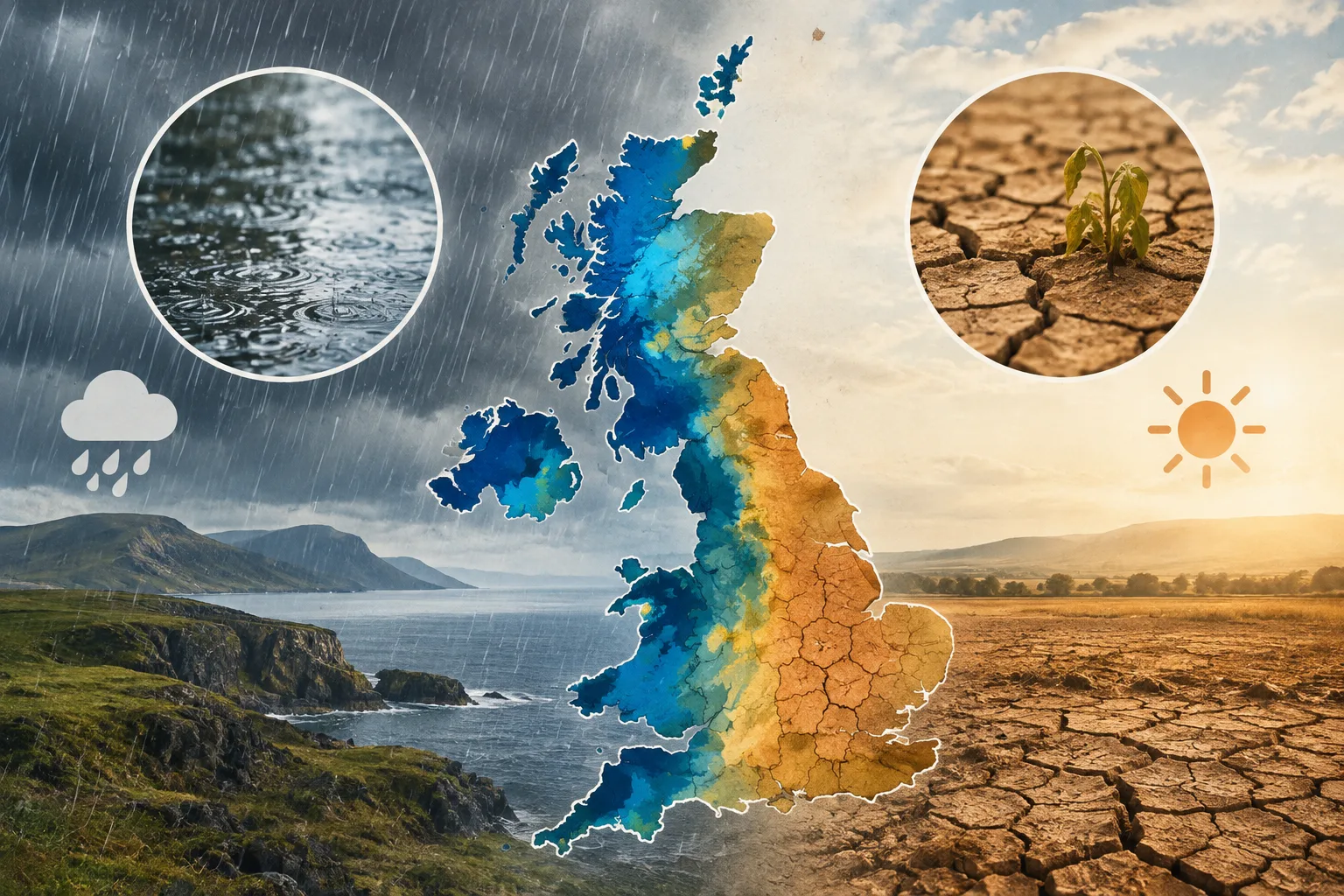
Yellow rain warnings cover western parts of the UK from Monday into Tuesday, with up to 100mm forecast in places, as drought persists across much of England and parts of Wales.
The upcoming downpours will hit western regions hardest. Western Scotland can expect 30mm to 50mm of rain widely, with totals climbing to 70mm to 90mm in the West Highlands and Dumfries and Galloway.
In parts of north-west England and Wales, precipitation could reach 100mm in the wettest locations. The weather front follows a drier Sunday with scattered western showers, shifting on Monday into wet, windy conditions driven by milder air that will push temperatures above the seasonal average.

Authorities note that snowmelt in Scotland could heighten flood risks by adding to river flows while fallen leaves obstruct drainage. Despite the incoming moisture, the wider autumn has fallen far short of historical averages. UK rainfall from November 1 to November 26 reached only 58.1mm, representing 47% of the 1991 to 2020 average. Scotland recorded just 52.88mm, or 32% of its expected monthly total.
Nearly 30 million people remain under hosepipe bans as the dry conditions persist. While recent wet weather has helped top up some reservoirs in south-west England, overall capacity in key storage areas remains low. Bewl Water in Kent, the largest expanse of open water in south-east England, sits at just 38% capacity compared to a normal level of around 61% for this time of year.
Autumn overall yielded only 81% of expected rainfall in England, well below the 120% target set by the Environment Agency between September and April to relieve the drought. The far north-west of Scotland, including Orkney and the Western Isles, stands as the lone region reporting above-average rainfall for the autumn season.
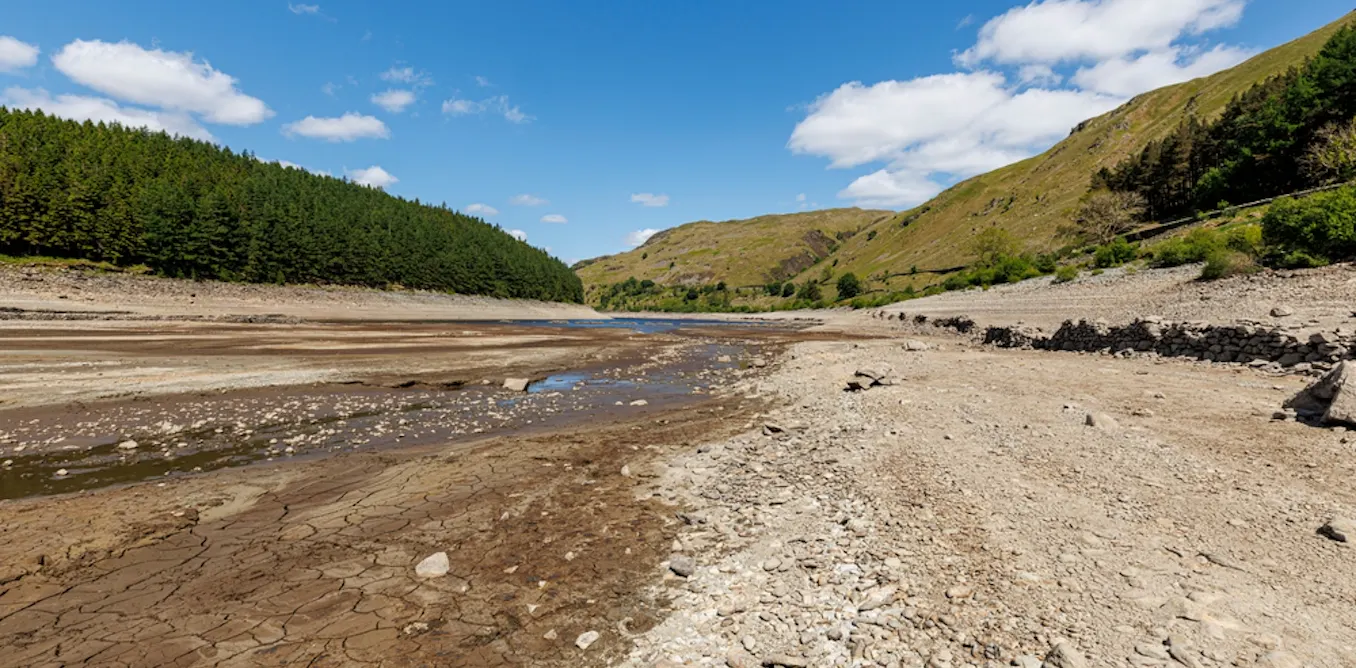
The incoming rain will not immediately pull drought-hit regions out of deficit. The Met Office warned that “reservoirs, rivers, groundwater and soil moisture can take weeks or months to respond” to precipitation. Winter serves as the critical window when low evaporation and dormant vegetation allow rain to infiltrate soil and replenish underground aquifers, particularly in chalk catchments across east and south-east England and the sandstones of the Midlands.
Historical water crises in Great Britain frequently stem from dry winters, such as those preceding the severe summer droughts of 1976 and 2022. Seasonal forecasts indicate a recovery for much of England and Wales this winter, but southern, eastern, and northeastern districts face a heightened chance of persisting drought conditions, potentially banking a hidden water deficit for the coming summer.
Data analyzed by Jonghun Kam and Seunghui Choi at the Pohang University of Science and Technology demonstrates that low winter rainfall strongly dictates subsequent summer groundwater levels and river flow levels, substantially increasing the odds of a summer drought. Mitigation measures to ease these mounting pressures include building additional farm reservoirs, actively pumping excess winter floodwater into underground aquifers, and restoring wetlands to slow runoff across the land.