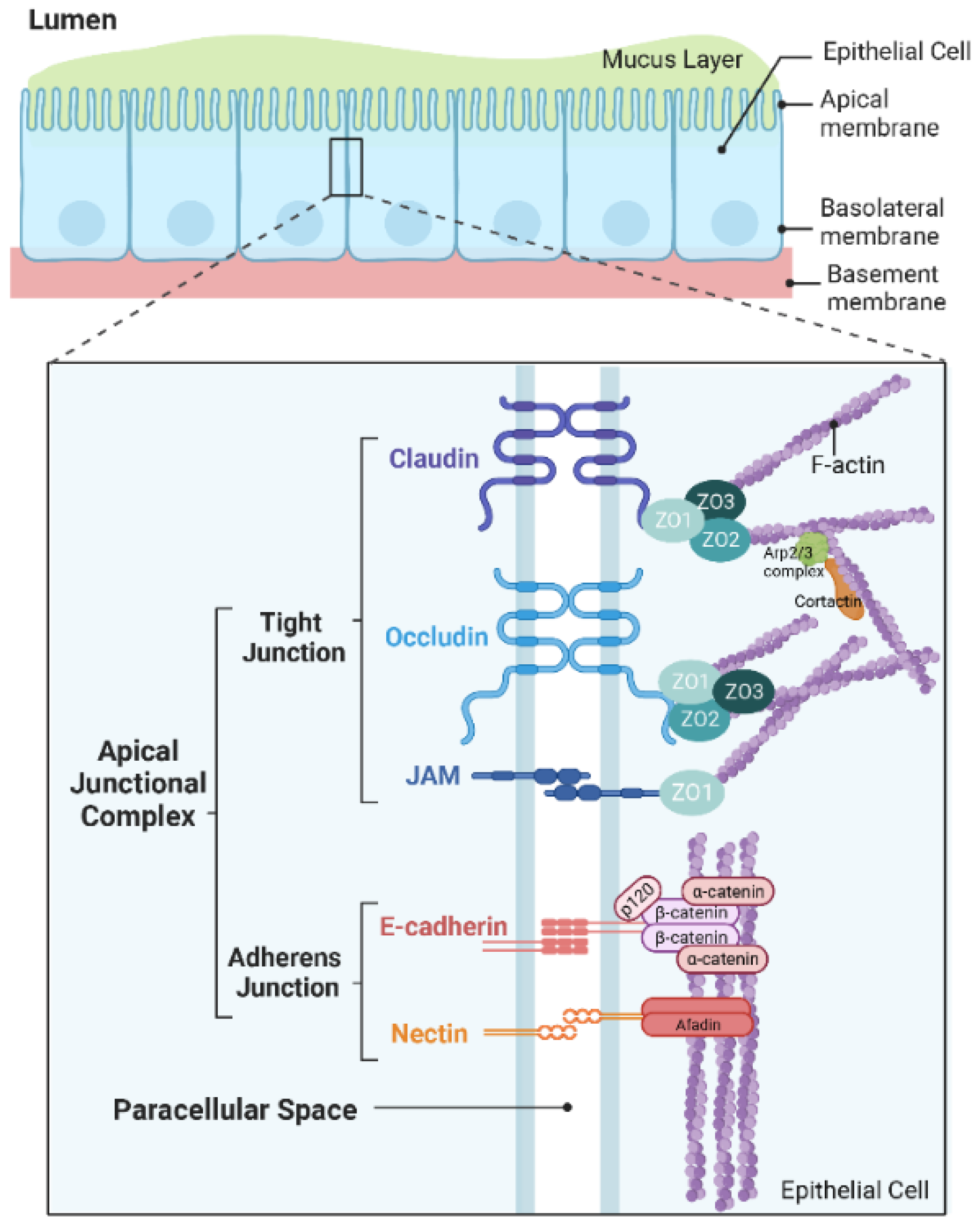
Researchers have discovered that the E-cadherin complex—cellular glue normally responsible for keeping tissues connected—also directs epithelial cells to engulf nearby dead cells. Published in Nature Communications, the finding reveals how tissues handle cellular debris without breaking protective barriers, shedding new light on potential mechanisms behind chronic inflammation.
A molecular system best known for anchoring cells together in animal tissues has turned out to have an entirely unexpected function. Because cellular debris is a major driver of inflammatory responses, understanding how tissues manage this cleanup could offer fresh clues about what happens when the cellular disposal process breaks down.
How the E-cadherin Complex Repurposes Adhesion Machinery
The study, published in Nature Communications, focuses on a molecular system made up of E-cadherin and three additional proteins. Together, these components normally link epithelial cells in areas such as the gut, skin, and airways, providing the structural strength needed to keep tissues intact. Each cell physically connects to E-cadherin molecules on its neighbors.
A team led by Verena Ruprecht studied epithelial tissues in living mouse and zebrafish embryos, discovering that this exact molecular machinery gathers precisely where a dying cell touches the tissue. To determine whether E-cadherin partners were engaging dying cells the same way they bind neighboring cells, the researchers ran two tests. First, they introduced dying cells that lacked E-cadherin; the epithelial tissue removed them just as effectively as normal dying cells. Next, they introduced protein-free fat droplets carrying a surface signal typical of dying cells. The epithelial tissue engulfed those droplets as well.

We were intrigued to find out that epithelial cells repurpose their molecular adhesion machinery — the ‘glue’ that normally holds them together — to engulf dying cells.
Verena Ruprecht, ICREA Research Professor and senior author of the study
Live Imaging Reveals How Epithelial Barriers Stay Sealed
Swallowing an entity roughly the size of another cell creates a significant mechanical problem for epithelial sheets that must remain sealed. Live imaging showed that upper and lower surfaces of the same epithelial cell behave differently. While the lower surface stretches and bends around the dead cell, the opposite upper surface—facing an open space or the outside environment—maintains the tissue barrier with very little change in surface area.
Ruprecht compares this split behavior to a row of dancers standing with linked arms. Their upper bodies remain steady while their feet execute intricate movements when a dying cell appears.
Ropes and Brakes in Cellular Mechanics
To uncover the mechanics driving this cleanup, the team analyzed individual proteins within the complex. One protein acts as a molecular rope, tying the assembly to the cell’s internal skeleton and transmitting force across the engulfed material. When cells lacked this tethering protein, or missed the specific region attaching it to the skeleton, they lost the ability to swallow dead cells entirely.
Another component functions as a brake on the cell’s contractile machinery. Removing this brake did not accelerate cleanup; instead, it made the cell too stiff, destroying its ability to clear away dying material properly.
Mice and Zebrafish Share Cell Removal Mechanisms
The research team also investigated whether the cleaning behavior extends beyond zebrafish. In early mouse embryos, blocking E-cadherin left dying cells uncleared, matching the observations in zebrafish and indicating that the mechanism is shared among vertebrates. The work builds on earlier findings from Ruprecht demonstrating that embryos use epithelial tissues to cooperatively remove dying cells as an early form of innate immune defense.
Because embryos are transparent, researchers can observe living cells and tissues at a level of detail currently impossible inside the human body. Whether this E-cadherin-dependent mechanism operates in adult zebrafish, mice, or human tissue remains unknown.