Modern human right-handedness stems from brain growth and upright posture, according to records for 2,025 individual animals across 41 primate and ape species published in the journal PLoS Biology on April 27, 2026.
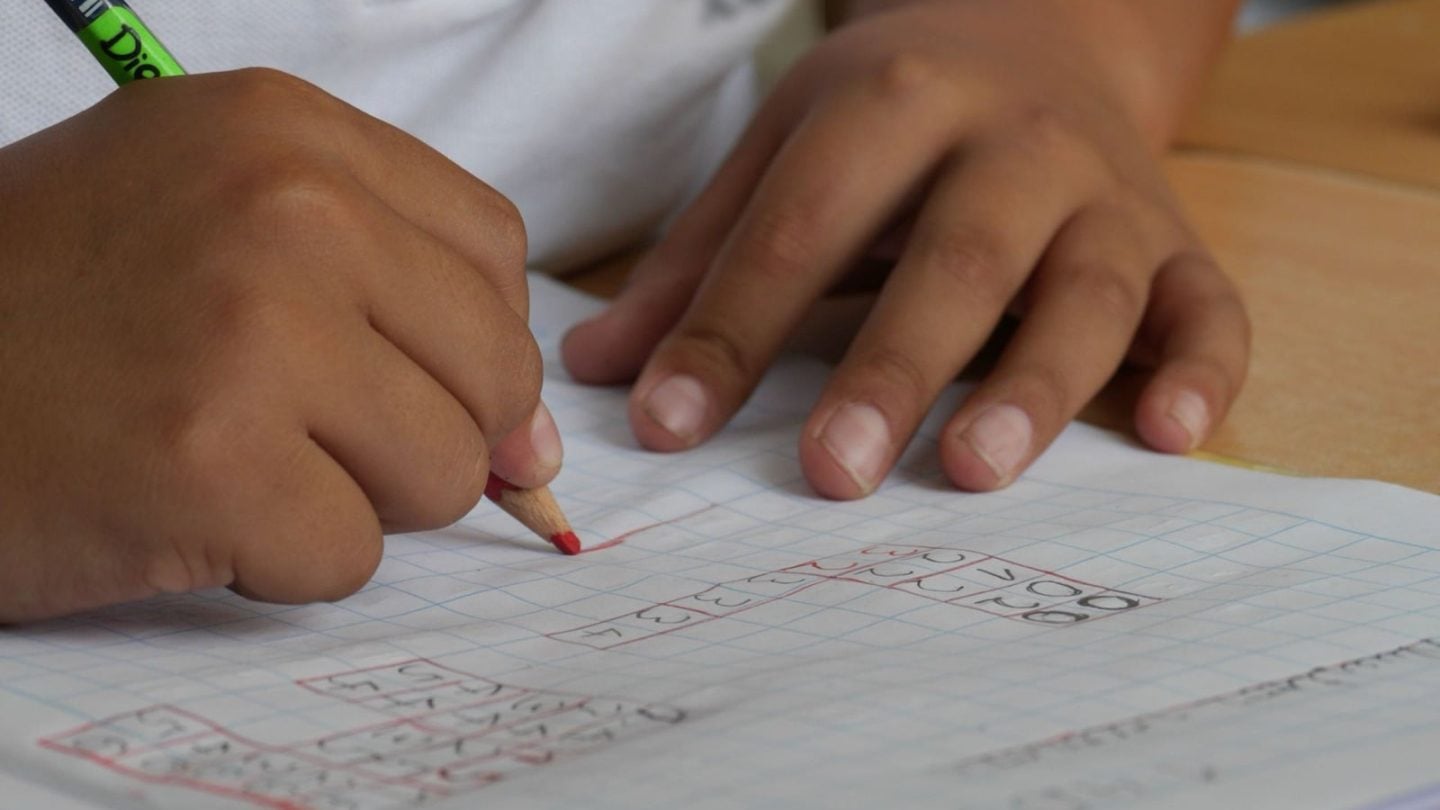
Roughly ninety percent of people are right-handed.
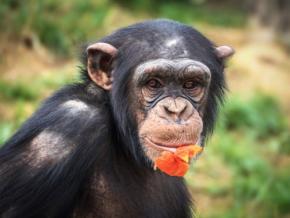
Animals reached into a hard plastic cylinder packed with peanut butter, using one hand to hold the tube and fingers of the other hand to scoop out the food.
The study compiled records for 2,025 individual animals, evaluating two distinct numerical values for each group: direction and strength. Direction measures whether a population favors the left or right side on a scale from negative one to positive one. Strength measures how consistently an individual sticks to one hand regardless of which side is chosen.
Tree-dwelling primates generally exhibited higher strength scores than ground-dwelling species because arboreal movement requires bracing the body with one limb while making precise manipulations with the other. While human populations showed a massive rightward population bias scoring 0.76, other primates displayed much more varied patterns. Javan lutungs reached a hand-consistency strength score of 0.98, leading all examined species in individual side preference.
Human ancestors maintained high hand strength scores through this evolutionary transition because bipedal walking liberated hands from locomotor tasks and allowed specialized tool use. The researchers observed that ground-dwelling groups such as baboons and geladas showed weaker individual hand consistency.
Brain expansion paired with the ratio of arm and leg length successfully bridged the gap between expected animal models and actual human data when the Oxford-led team tested statistical models to explain why human handedness deviates so sharply from other primates.
Sebastian Ocklenburg notes that larger brains require more time to transmit information between cerebral hemispheres. Routing a specific function through just one side of the brain allows larger brains to react more quickly. Bipedalism set the stage by freeing the upper limbs, and subsequent brain expansion concentrated population-level preference toward the right side.
Older hominins display much weaker population-level rightward biases before the emergence of the genus Homo, because applying their anatomical model to ancestral human species generates estimated population direction scores that increase steadily over evolutionary time.
| Species or Ancestor | Estimated Direction Score |
|---|---|
| Ardipithecus ramidus | 0.16 |
| Australopithecus afarensis | 0.32 |
| Homo ergaster | 0.50 |
| Homo erectus | 0.54 |
| Homo floresiensis | 0.28 |
| Neanderthals | 0.64 |
Neanderthals reached a projected score of 0.64, closing in on modern human levels, whereas the diminutive island hominin Homo floresiensis remained an outlier with a lower estimate of 0.28. These projections indicate that population-wide right-handed dominance intensified alongside upright walking and encephalization, leaving an asymmetry written deep into human anatomy.
Why did Neanderthals reach a score of 0.64 while Homo floresiensis stayed at 0.28?