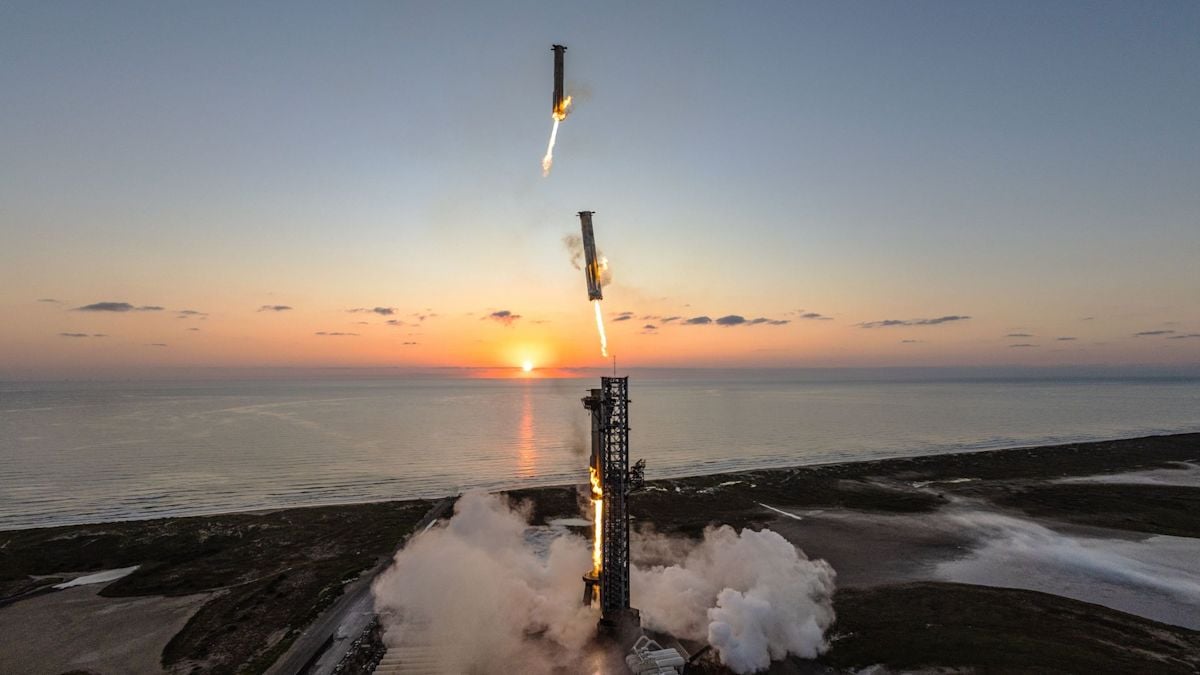
SpaceX launched its 15th Starship test flight from Starbase in South Texas, attempting an unprecedented double catch of both the heavy booster and the upper-stage spacecraft using the launch tower’s mechanical arms.
SpaceX Scheduled the Flight Window and Return Maneuvers
The test flight opened during a 75-minute window beginning at 5:45 p.m. EST on November 13. SpaceX scheduled the Super Heavy booster to return to the South Texas launch mount for a tower catch just 6.5 minutes after liftoff. Meanwhile, the upper-stage spacecraft continued into low Earth orbit to deploy a payload of next-generation satellites.
The mission plan called for the upper stage to remain aloft for nearly a full day before attempting its own return to the tower about 22.5 hours after liftoff. If technical issues arose during the flight, operators planned to wave off the ship catch and steer the vehicle toward a Pacific Ocean splashdown near Hawaii or Chile.
Satellite Deployment and Heat Shield Upgrades
During its orbital phase, the Starship upper stage deployed 26 Starlink V3 satellites over a 42-minute stretch starting 35 minutes after launch. This payload delivery marked just the second batch of V3 spacecraft to reach orbit, following the 26 units launched on Flight 14 on September 28.
Engineers modified the adhesive application for the ship’s heat shield tiles in areas most vulnerable to launch stress and atmospheric friction. The company advanced at a cautious pace in developing the megarocket, with nearly three and a half years passing between the initial test flight and the orbital mission of Flight 14.
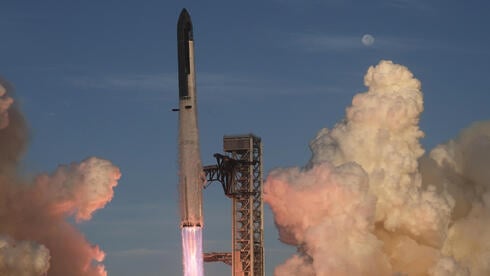
Company motivations behind these rapid advancements include the ongoing race against Blue Origin to select a vehicle for crewed lunar landings under the Artemis program, alongside plans to quickly transition Starship into regular service for deploying Starlink satellites and future space-based data centers.
Breakthrough Goals for Rapid Reuse
While SpaceX previously secured three successful booster catches, Flight 15 marked the first time the company attempted the maneuver with a third-generation booster and the first attempt to catch the returning upper-stage spacecraft.
Returning both vehicles directly to the launch mount enables much faster inspection, refurbishment, and reflight. Both elements—the Super Heavy booster and the upper-stage spacecraft, also referred to as Ship—are designed for full and rapid reusability.
The upper-stage spacecraft was scheduled to complete 14 orbits of Earth at an altitude of approximately 275 kilometers during its nearly 22.5-hour mission before the attempted touchdown on Saturday afternoon, November 14.