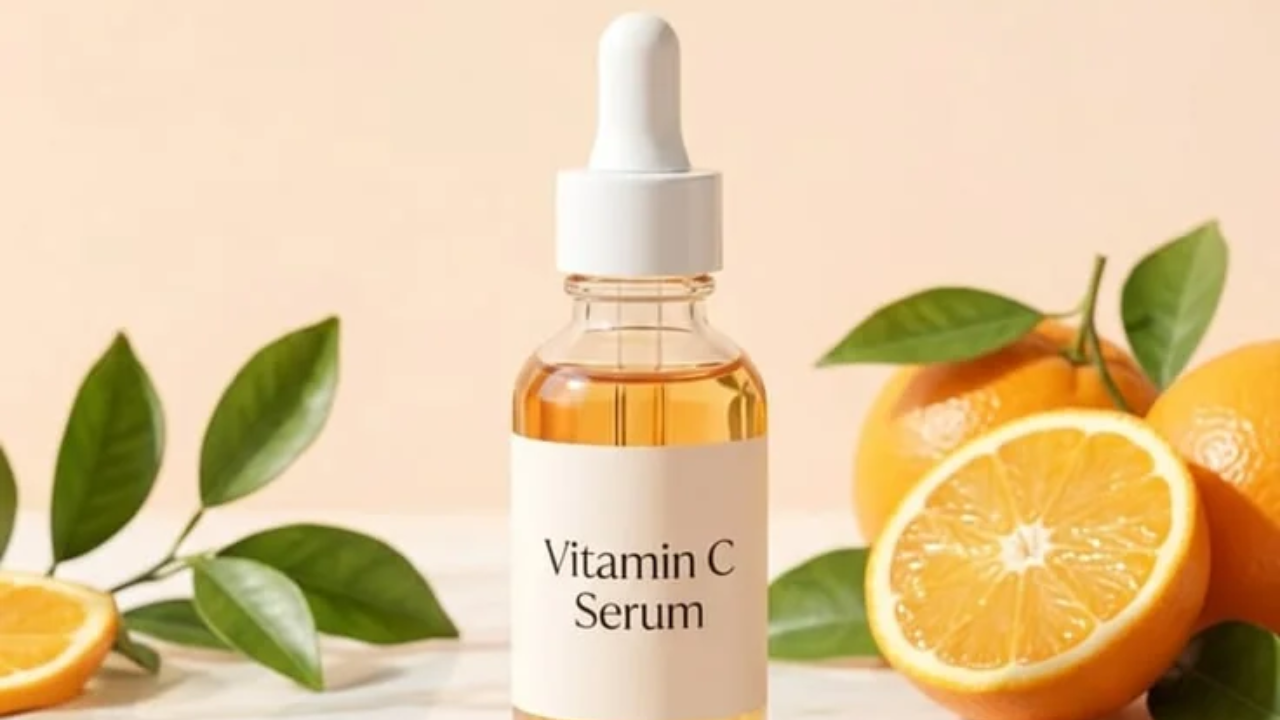
Vitamin C Overload Offers Diminishing Returns
Adding Vitamin C to every step of a skincare routine offers diminishing returns if the products are not chosen to address specific needs, according to a report. Skincare formulations containing vitamin C, such as sunscreens and lip balms, provide distinct functional benefits like antioxidant support, but they do not replace dedicated serums or guarantee uniform brightening results across the board.
Antioxidant Buffers Versus UV Filters
When formulators add vitamin C to daily sunscreens, the ingredient serves primarily as an antioxidant buffer against environmental stressors rather than acting as a primary UV filter. Similarly, vitamin C integrated into a lip balm formulation helps keep lips moisturized and nourished while offering light antioxidant protection. Neither product format functions as a direct substitute for a specialized facial serum.
Calibrating Consumer Expectations for Targeted Treatments
Consumer expectations require careful calibration when changing product formats. The presence of vitamin C on an ingredient list does not ensure the same dramatic brightening outcomes delivered by high-concentration serums designed for targeted treatment. Shoppers need to identify the specific job a product performs before integrating it into an existing regimen.
Prioritizing Core Performance Metrics Over Secondary Actives
Selecting the right protective product requires prioritizing core performance metrics over secondary active ingredients. For sun protection, consumers should look first for broad-spectrum coverage and substantiated testing data, followed by a texture tailored to local climate conditions.
Choose Lightweight Formulas for High-Humidity Lip Protection
A lightweight gel that settles without leaving stickiness or a white cast remains significantly easier to wear consistently in high-humidity environments. For delicate lip care, a comfortable and hydrating formulation—ideally featuring built-in SPF for daytime wear—supplies practical utility. Regular reapplication of sun protection remains essential regardless of whether secondary skincare ingredients are present in the formula.