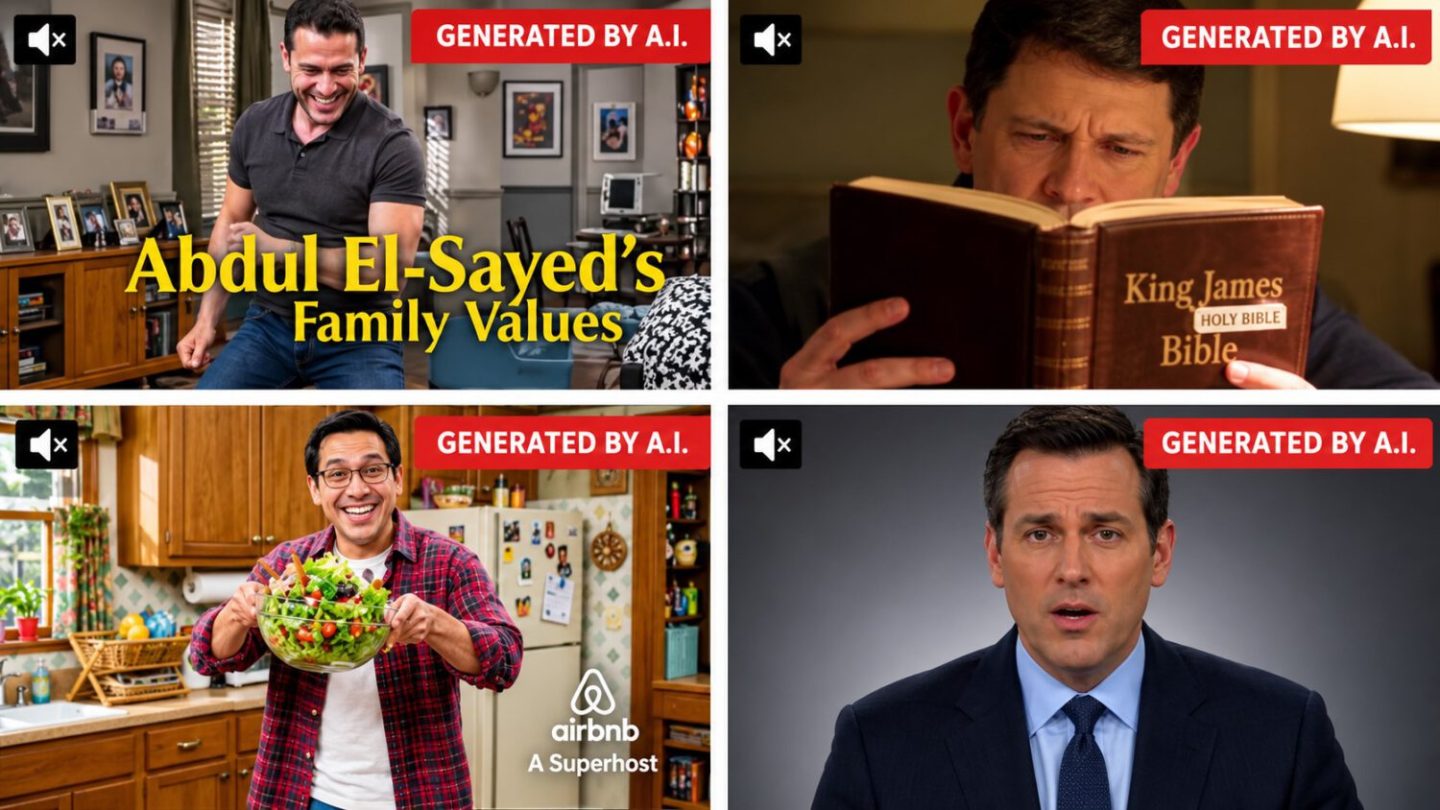
Political campaigns and political action committees have poured more than $137 million into artificial intelligence-generated advertisements for the 2026 midterm elections, with the vast majority of these synthetic spots circulating across television and digital platforms without any required disclosure label, according to data from media trackers.
Spending and Disclosure Gaps Across the Midterm Cycle
The scale of synthetic campaign media has expanded rapidly as the Nov. 3 general election approaches. In May, researchers with the Wesleyan Media Project counted just 33 artificial intelligence-generated political ads. By September, that figure climbed to 164 unique ads, marking a fivefold increase in four months backed by an estimated $80 million in spending in one subset of tracking.
Different media tracking organizations report varying totals depending on their inclusion criteria. A broader Wesleyan accounting places spending near $137 million, while a conservative count by AdImpact limited to ads with an identifiable disclosure found slightly more than $13 million. Across these datasets, researchers found that roughly 70 percent of reviewed ads carried no artificial intelligence label at all. Only 31 percent disclosed artificial intelligence use in the narrower set.
Republican campaigns and conservative interest groups drove the bulk of this spending. According to the Wesleyan Media Project’s broader dataset, more than 80 percent of the reviewed ads came from Republican campaigns or aligned political action committees. Right-leaning campaigns leaned into synthetic voice clones and generative video elements to press opponents on economic policy and border security with rapid turnaround times.
Production Cost Drops Flood Races with Synthetic Ads
The financial surge reflects a massive drop in production costs. A commercial that previously required professional studios, voice actors, and days of editing at a cost approaching $2 million can now be produced for roughly $200,000 using artificial intelligence. This compression has flooded screens with hyper-realistic deepfakes, synthetic scenes, and altered candidate footage.
High-profile races across the country have featured prominent examples of synthetic media. In Georgia, an online ad appeared to show Sen. Jon Ossoff getting his hair and makeup done in a salon chair, accompanied by a voiceover criticizing his D.C. spending. In Texas, Senate candidate James Talarico was depicted reciting old quotes out of context. Other ads placed New York Mayor Zohran Mamdani and Democratic Gov. Kathy Hochul into a synthetic commercial promoting a fictional political delusion pill
.
Voters are noticing the shift. A Scripps News and Talker Research poll conducted between Sept. 30 and Oct. 1 found that more than four in ten registered voters have seen something they thought was real in a political ad, only to discover later that it was generated by artificial intelligence. Another 30 percent reported seeing content they were unsure about. More than three-quarters of surveyed voters stated there should be rules governing how the technology is used in politics.
It is deeply troubling to see deepfake videos used to fabricate political advertising and it’s a slippery slope toward the destruction of truth in political debate.
Sen. Jon Ossoff, via WRDW
State Patchwork Rules Leave Gaps in Regulatory Enforcement
Federal law currently contains no requirement for political advertisements to carry artificial intelligence disclosures. Instead, regulation falls to a patchwork of state laws. Roughly half of U.S. states require campaigns to disclose manipulated material, but the rules vary significantly in scope and enforcement remains uneven.

States without disclosure requirements make synthetic ads harder to track. During the 2024 presidential primary, New Hampshire voters received unsolicited robocalls featuring an artificial intelligence voice replica of Joe Biden urging them not to vote. That unauthorized effort led to the Democratic political consultant behind it being charged with voter suppression and fined $6 million.
Ahead of the Nov. 3 election, state officials are stepping up public warnings. New York Attorney General Letitia James released an updated voter guide warning residents not to rely on realistic-looking artificial intelligence images, audio, video, or chatbot answers for polling locations, voting deadlines, or eligibility requirements. Under New York law, political communications using deceptive or realistic synthetic media must be labeled as manipulated.
Pre-Bunking Research and the Fight Against Misinformation
While campaigns deploy synthetic tools, researchers are testing whether artificial intelligence can also be used to counter false narratives. A study conducted by researchers at Washington University in St. Louis and the California Institute of Technology examined the effectiveness of automated pre-bunking—exposing voters beforehand to weakened versions of false claims alongside accurate information to build resistance.
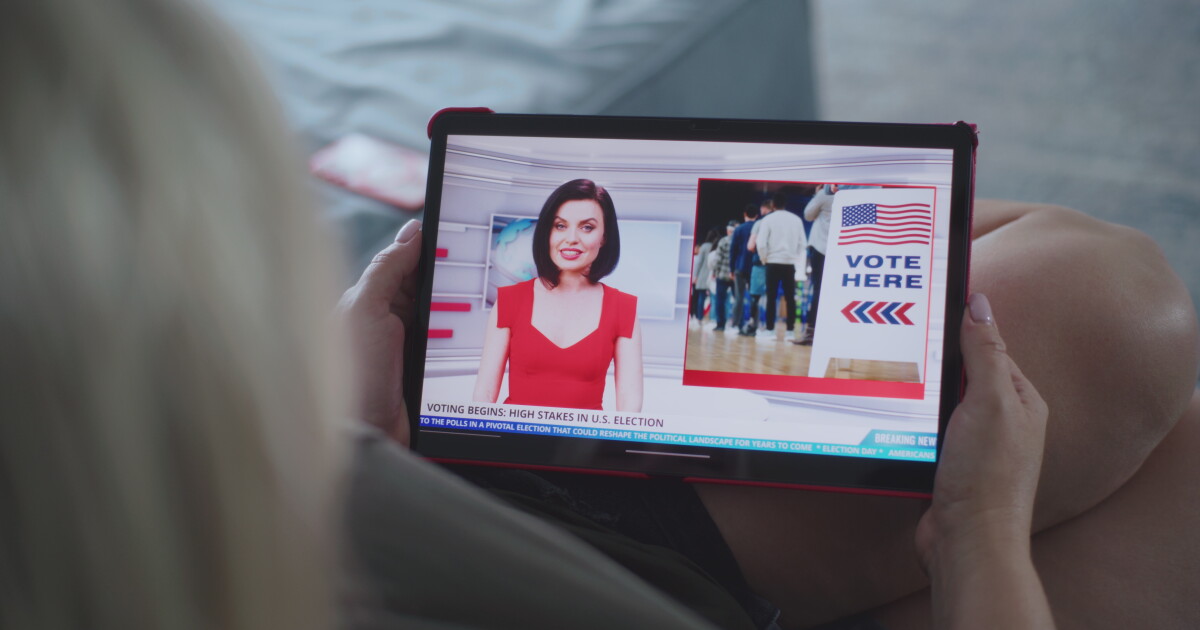
The research team, which included Mitchell Linegar, found that AI-generated pre-bunking articles significantly reduced belief in election rumors. The intervention helped protect confidence in election administration. Participants who received the pre-bunking materials experienced a smaller decline in confidence that votes would be accurately counted compared to those exposed to raw misinformation.
Researchers noted that election misinformation is a persistent challenge around the world.
As early voting periods open across multiple states, cybersecurity experts, election officials, and researchers continue to urge voters to verify suspicious content against official state and county election board portals rather than trusting unverified media circulating on social platforms.