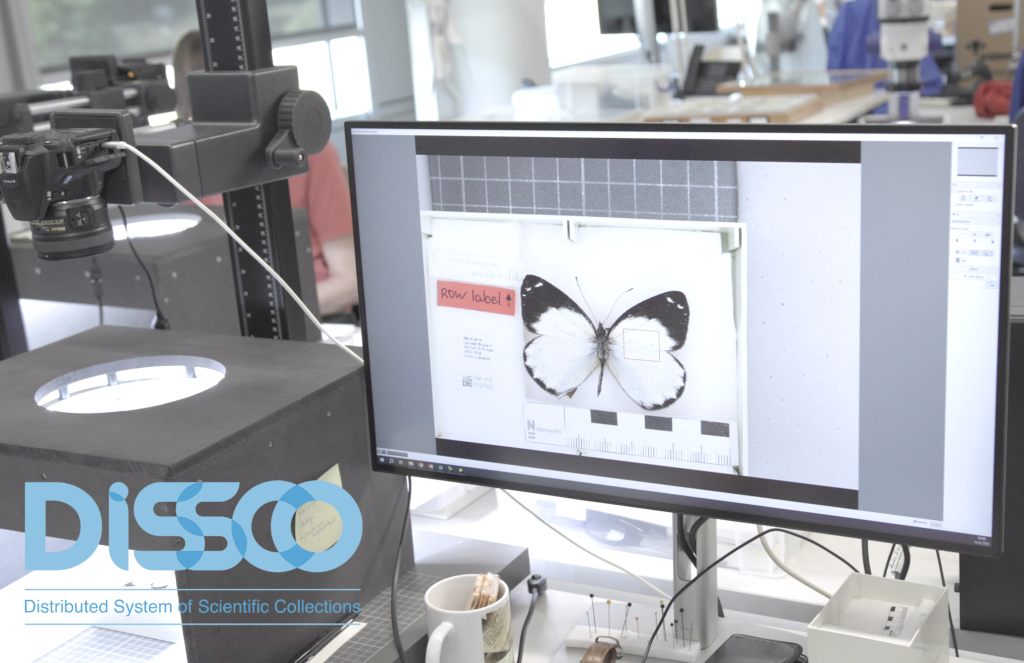
British researchers are deploying artificial intelligence and robots to scan and analyse millions of natural history specimens from collections across the UK. The ambitious project creates a digital museum that accelerates a centuries-long digitisation effort into just a decade, helping scientists track environmental shifts and predict future climate changes.
Scientists across the United Kingdom are building a vast digital archive that brings together tens of millions of animals, plants, fossils, and rocks. By harnessing modern automation, the initiative aims to make locked-away collections openly accessible to researchers and the public alike.
How Robots and AI Slashes Centuries of Scanning Work
Scanning millions of historical objects is no simple task. Each item requires careful photography alongside the recording of tiny, often handwritten labels containing vital scientific notes created centuries ago. Manually completing this work would take hundreds of years, but the integration of robots and artificial intelligence allows the team to compress that timeline into a single decade, according to Sarah Addezio, the DiSSCo UK programme delivery director.
The overarching resource is officially known as the Distributed System of Scientific Collections (DiSSCo UK). One hundred organisations—including museums, botanic gardens, and universities—are contributing to the project. While a handful of major institutions like the Natural History Museum and the Royal Botanic Gardens, Kew, already feature select items on searchable databases, the new funding opens up cupboards and drawers across the entire country.
Targeting Smaller Specimens Across Wales and Scotland
The opening phase of the scanning initiative skips large animals like whales and dinosaurs, focusing instead in Wales and Scotland on less glamorous material that holds the best record of environmental shifts. In Cardiff, teams are scanning approximately half a million insect and plant specimens. These range from showy butterflies down to tiny flies that serve as sensitive indicators of environmental health.
Up north, the Royal Botanic Garden Edinburgh and National Museums Scotland maintain 13 million specimens. Jenny Geroni, head of Natural Sciences and Research at Amgueddfa Cymru – Museum Wales, noted that every collection brings unique local material that builds a comprehensive national picture.
Each collection is unique. We have a lot of Welsh material that is not held anywhere else. By taking material from across the UK, it also allows us to build a good picture of what is going on across the whole country. And everyone adding their world collections will build a much stronger picture of what is going on elsewhere.
Jenny Geroni, Amgueddfa Cymru – Museum Wales
Connecting Historical Clues to Predict Future Climate Realities
Every museum specimen functions as a snapshot of the past, acting as a single puzzle piece in a massive ecological detective story. The digital archive spans from unusual finds, such as the blind tripod fish, to historical items like a horse tooth recovered by Charles Darwin around 1833 in northeast Argentina.
Researchers state that connecting and analysing these varied data points at an unprecedented scale will supercharge
our understanding of the natural world. According to Dr Joanna Dunster, an associate director of the Arts and Humanities Research Council—part of the UK Research and Innovation Agency which is funding the project—the platform will eventually let anyone view roughly 70 million specimens directly from phones and computers.
Public Access and Long-Term Environmental Goals
Beyond accelerating academic research into species loss and food supplies, the digital museum serves as an accessible public resource. Dr Dunster expressed enthusiasm for exploring the database alongside her four-year-old son, pointing out that collections should no longer sit out of reach.
By bringing these disparate historical archives together under powerful search tools, the initiative provides scientists with the data needed to model how the UK has evolved throughout planetary history and forecast future climate challenges.


