Indian technology start-ups are tackling two of the country’s administrative bottlenecks by deploying artificial intelligence across urban infrastructure and property systems.
India operates under presumptive land titling. Buyers must establish property ownership independently instead of relying on a state guarantee.
Proving ownership demands compiling building certificates, tax receipts, and survey maps. This complex process contributes to a bulk of civil litigation as property wealth expands.
Landeed aggregates land-record data to support title verification. The platform was established after its founder spent months gathering records for a family property dispute in Chennai.
The system pulls information from state revenue departments, registration offices, survey records, and municipal databases. An artificial intelligence layer reads titles, extracts details, and flags inconsistencies within minutes.
The application holds 1.8 billion title documents. Millions of individual and enterprise customers use the software for transactions.
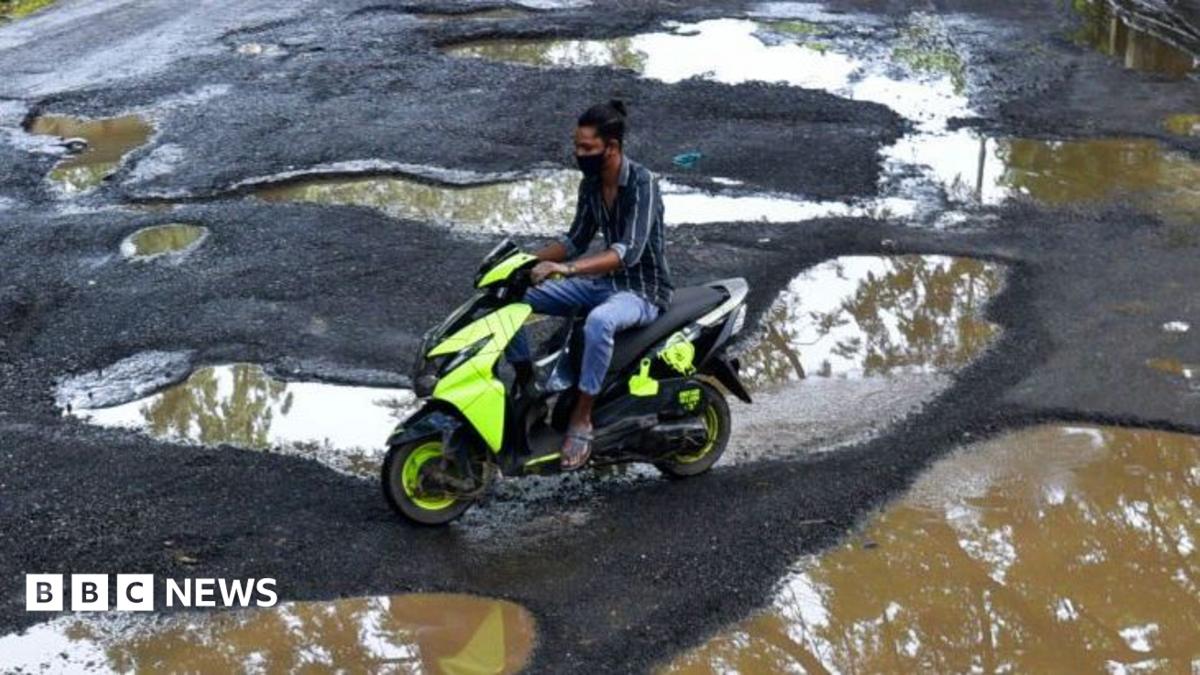
Start-ups target urban road maintenance. A system built by YouTube teacher Gaurav Sen detects road damage using dash-cam footage, GPS, and an artificial intelligence vision model to analyze images.
The technology identifies the specific civic officials responsible for repairs. It transmits the data directly to them.
At least half a dozen similar offerings now map and report road damage to authorities across the country. “A municipal corporation can take the app and use it on public buses and taxis, to access real-time, updated data on road conditions,” Gaurav Sen told the BBC.
Federal authorities test artificial intelligence on rural roads under the Pradhan Mantri Gram Sadak Yojana (PMGSY) by using phone videos. Engineers still physically inspect each defect and compare measurements against system findings.
This civic technology expansion coincides with a surge in financial backing. According to start-up information platform Inc42, artificial intelligence start-ups in India saw funding increase by 265% year-on-year, raising over $1bn in the first nine months of the year.
Founders face challenges in commercializing products and securing recurring government contracts. “The cost of building in India is sometimes much higher than what Indian customers are willing to pay,” Fractal co-founder Srikanth Velamakanni told the BBC.
Hardware limitations compound these commercial hurdles. Founders report acute shortages of specialized processors required for model training.
Mandava says he is starved for GPUs and has a hellish time trying to acquire them.
The government has pledged 38,000 graphics processing units to domestic start-ups through its official artificial intelligence mission. Market demand is higher than the allocated supply.