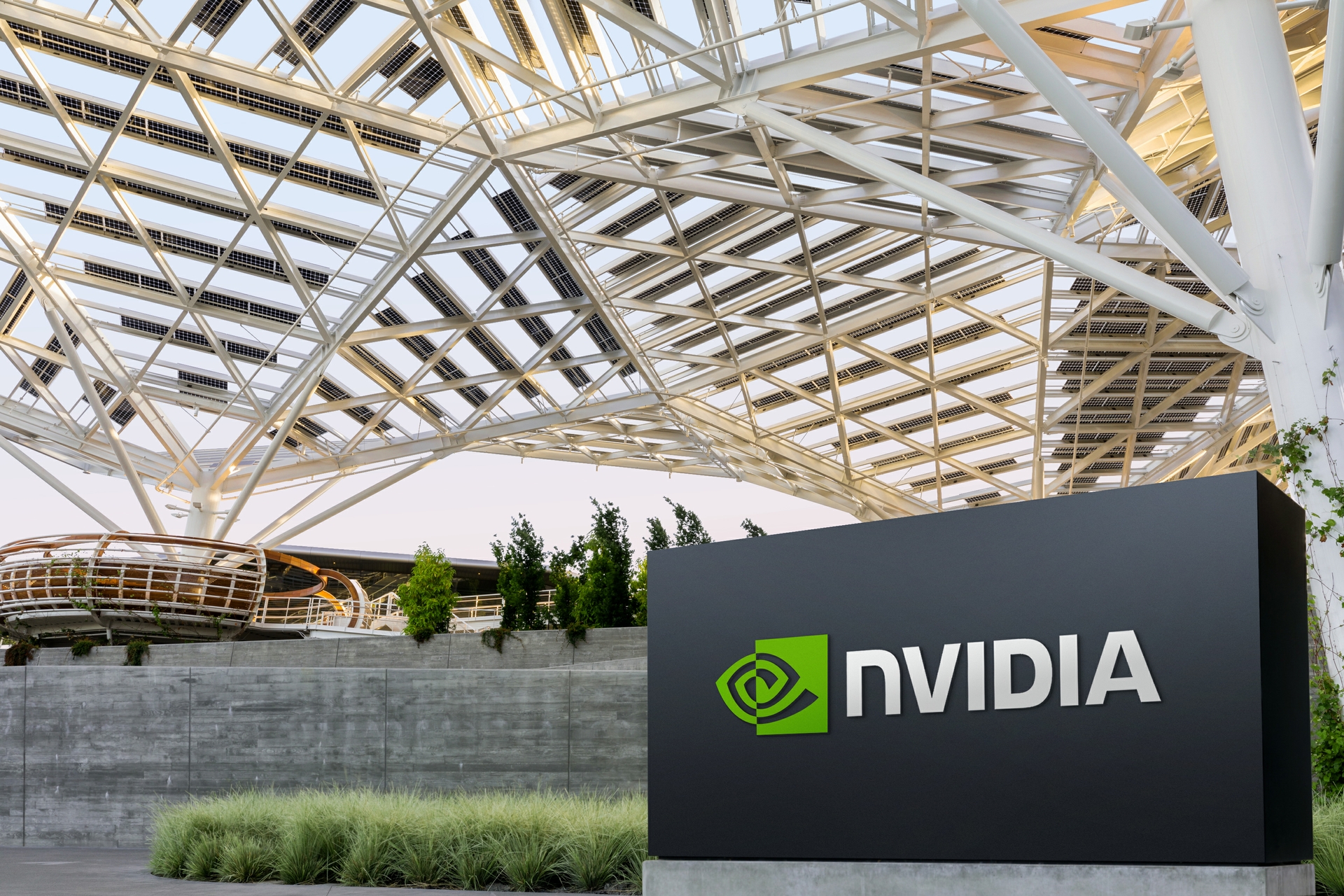
Nvidia has authorized an additional $150 billion for its share buyback program, raising its total remaining repurchase authorization to $235 billion through fiscal year 2028. Announced on Monday, September 28, 2026, the move marks the largest share repurchase authorization increase in history amid surging demand for artificial intelligence infrastructure.
Cash Generation and the History-Making Buyback Expansion
The scale of Nvidia’s capital return program dwarfs peer activity across the technology sector. The company has aggressively deployed cash since 2025, repurchasing approximately $34 billion in shares that fiscal year before buybacks accelerated to over $40.4 billion in fiscal 2026. During the first half of fiscal year 2027, which ran through July 2026, the company bought back $39 billion in stock.
Former Wall Street analyst David Bennett observed that when the market started asking ‘how long can the AI boom last?’ Nvidia didn’t talk. It wrote a check.
Nvidia generated $74.4 billion in operating cash flow in the first half of fiscal year 2027 alone, and still returned $46.1 billion to shareholders. It can fund AI expansion and buy back stock. That’s a luxury most companies don’t have.
David Bennett, former Wall Street analyst, via Yahoo Finance
Valuation Disconnect and Jensen Huang’s Signal to the Market
Nvidia’s market capitalization exceeds $5.4 trillion, making it the largest in the world. Yahoo Finance Executive Editor Brian Sozzi described the announcement on Sozzi Unleashed
as a mind-blowing statement of confidence.
According to market observers, management is buying back stock at a multiple cheaper than most companies in the S&P 500 while trading near 18.7 times forward earnings. Huang told CNBC’s Squawk Box
that we’re going through the largest infrastructure build-out in human history, and we have the benefit of being a very central part of that.
I’m not surprised to see Jensen do it. I think he’s frustrated with the valuation of his company, as he should be, because it doesn’t make a lot of sense to me.
Brian Sozzi, Executive Editor at Yahoo Finance
What the Program Means for Remaining Shareholders
For existing investors, massive ongoing buybacks mechanically reduce the number of shares outstanding, which boosts earnings per share provided profitability remains stable.
Hardware Pipelines and the 2027 Infrastructure Build-Out
The capital return announcement coincides with an aggressive product rollout across accelerated computing. Huang noted earlier this month that Nvidia would double the number of chips it sells in 2027. The firm anchors its dominant market position on advanced graphics processing units like its Grace Blackwell and Vera Rubin systems, alongside central processors, networking switch chips, robotics and automotive Jetson processors, and semiconductors powering Nintendo’s Switch 2 console.
Combined hyperscaler capital expenditures supporting data centers and AI infrastructure are projected to surpass $1.3 trillion by 2027, according to figures released in August by S&P Global Ratings. Nvidia expects to execute its remaining repurchase authorization incrementally through fiscal year 2028.


