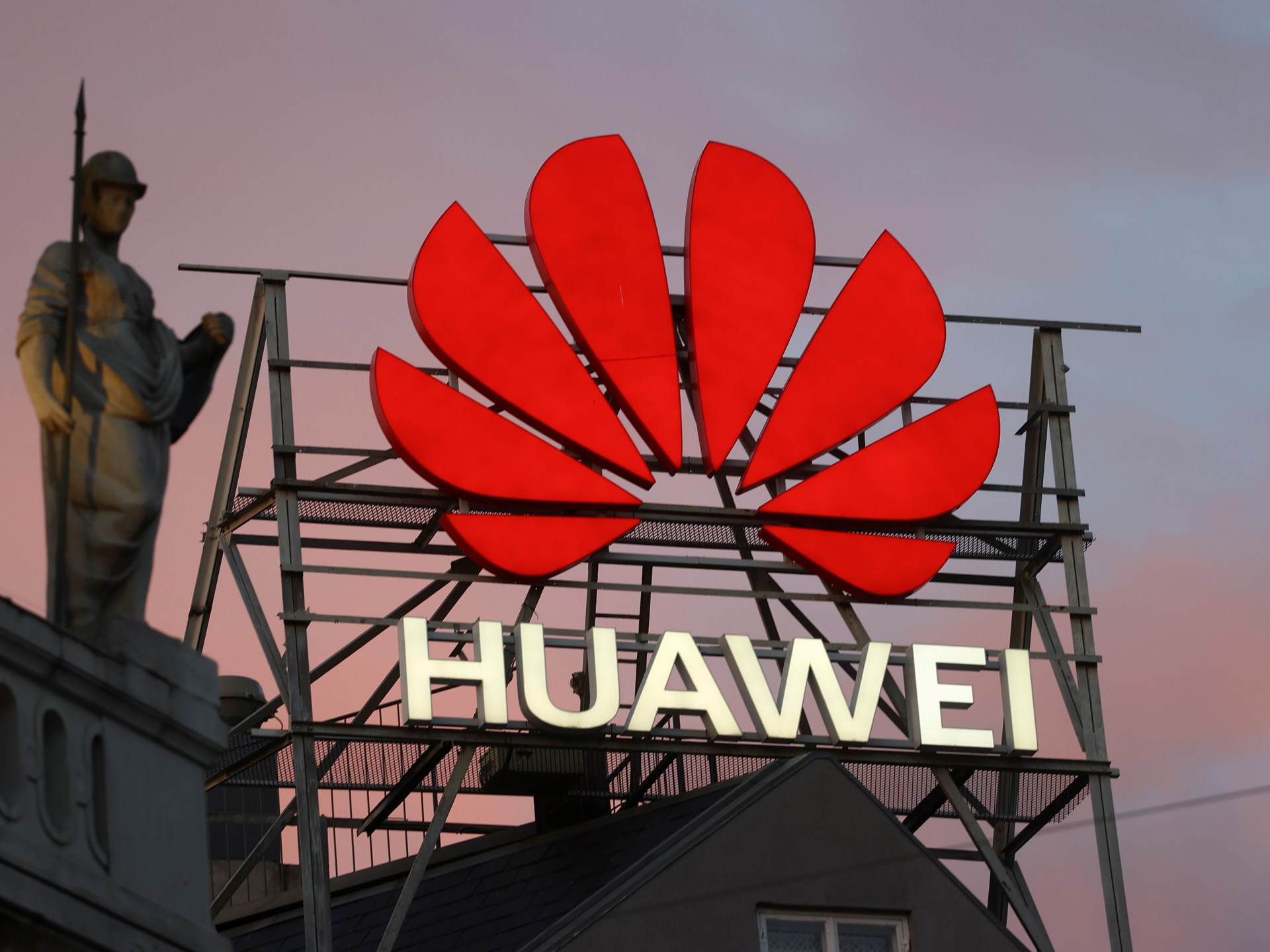
A U.S. jury convicted Huawei Technologies on Tuesday of conspiracy to steal trade secrets and bank fraud, marking a significant legal outcome in a case involving the global telecommunications giant.
The verdict in the Brooklyn federal court concluded an 11-week trial in which prosecutors accused the company of utilizing a range of illicit methods to gain competitive advantages. While the jury found Huawei guilty on 10 of 12 criminal counts, it acquitted the company of the most serious charge: engaging in a criminal racketeering conspiracy.
- Verdict: Huawei was found guilty of 10 counts, including bank fraud, wire fraud, money laundering, and conspiracy to steal trade secrets.
- Acquittals: The jury cleared the company of racketeering conspiracy and conspiracy to obstruct justice.
- Sentencing: A federal judge scheduled sentencing for September 14, 2027.
- Defense Stance: Huawei plans to appeal the convictions while characterizing the racketeering acquittal as a major vindication.
Prosecution Evidence and Corporate Conduct
Assistant U.S. Attorney Meredith Arfa told jurors that the company’s activities included removing a robotic arm from a competitor’s lab to photograph and measure it. The prosecution detailed how the company allegedly utilized a subsidiary, Skycom, and transferred at least $7.5 million in approximately 80 payments through U.S. financial systems to obscure these dealings.
Defense Strategy and Legal Appeal
Huawei’s legal team maintained that the government’s case relied on a false narrative built from isolated incidents. Defense attorney Brian Heberlig argued that the company succeeded through “hard work, innovation, and investment in research and development,” rather than the systematic theft alleged by prosecutors. Heberlig described the government’s presentation as a “caricature-like portrait” of the firm.

“The allegations that the government made in this case overreached and simply weren’t consistent with the successful, innovative and hardworking company that we came to know and deeply respect,” Heberlig said.
Heberlig said that the acquittal on the racketeering charge “repudiated the central government narrative in the case” and served as a validation of the company’s internal compliance culture.
He added that Huawei had paid billions of dollars in licensing fees to U.S. companies and had taken internal disciplinary actions against employees found to have engaged in wrongdoing, which supported the firm’s contention that its success was built on legitimate investment.
Defense attorneys contest allegations of theft
In his closing argument, defense attorney Brian Heberlig challenged the government’s assertion that the company had systematically stolen trade secrets. Heberlig argued that much of the information the prosecution claimed was stolen had already been made public. He said, “You can’t steal a secret that isn’t a secret.”
The defense further emphasized that Huawei had contributed significantly to the American economy by paying billions of dollars in licensing fees over the years. According to Heberlig, approximately 75% of those payments were directed to U.S.-based companies.

Company prepares for post-verdict legal actions
Following the jury’s decision, Huawei released a statement describing the charges as “without legal or factual merit.” The company indicated that it welcomes the acquittal on the racketeering count. It views the acquittal as a rejection of the government’s portrayal of the firm as a criminal enterprise.
Huawei confirmed it plans to appeal the convictions. It will review the verdicts to determine its next steps. As the company prepares its legal defense, it may face additional consequences, including potential fines, forfeiture, and requirements to provide restitution for the charges on which it was found guilty.

Context of the Legal Battle
The criminal case has roots reaching back to 2018, when Meng Wanzhou, Huawei’s chief financial officer and daughter of the company’s founder, was detained in Canada. That arrest triggered a diplomatic crisis involving the United States, Canada, and China. Meng eventually entered a deferred prosecution agreement and returned to China in 2021 after the U.S. dropped its charges against her as part of a prisoner swap.
These legal challenges are deeply intertwined with a broader geopolitical struggle, as the United States has increasingly targeted Huawei Technologies over alleged ties to Chinese intelligence and military agencies. Following accusations in January 2018 that the firm violated sanctions against Iran, the U.S. restricted Huawei from conducting business with American companies.
These tensions intensified as the U.S. government sought to curb the company’s global influence, culminating in the Federal Communications Commission’s November 2022 move to ban the sale or import of Huawei telecommunications equipment. These actions reflect a persistent effort by Washington to isolate the company, which serves as a national champion for the Chinese government, amid rising concerns over national security and state-directed industrial espionage.
The company has already been restricted from selling equipment to U.S. carriers for years due to national security concerns. It remains subject to blacklists in other Western nations including Canada and Britain, and the federal judge scheduled sentencing for September 14, 2027.