British Prime Minister Andy Burnham said ahead of a Brussels meeting that the United Kingdom has “lost more than we gained” from a decade of post-Brexit trade divergence.
Leaders Meet in Brussels on November 20
Mr. Burnham will travel to Brussels to meet European Commission President Ursula von der Leyen and European Council President Antonio Costa at a summit on 20 November 2026. The prime minister hopes to lock in agreements that could raise GDP by 0.4% – amounting to roughly £17bn – covering food and farming standards, emissions trading, and a youth mobility scheme.
The diplomatic push follows months of preparatory talks. Speaking after a gathering of European leaders in Dublin, Mr. Burnham said that London will not turn its back on the understandings, even as negotiations grow increasingly difficult near the deadline.
Ahead of the summit, senior figures in Brussels have said that Britain cannot expect to pick and choose elements of European integration. “There will be no possibility to have one freedom and not the other. The four freedoms are clearly the four conditions to be inside a single market,” the EU's former Brexit negotiator Michel Barnier told the BBC.

Westminster Fights Over the EU Plan
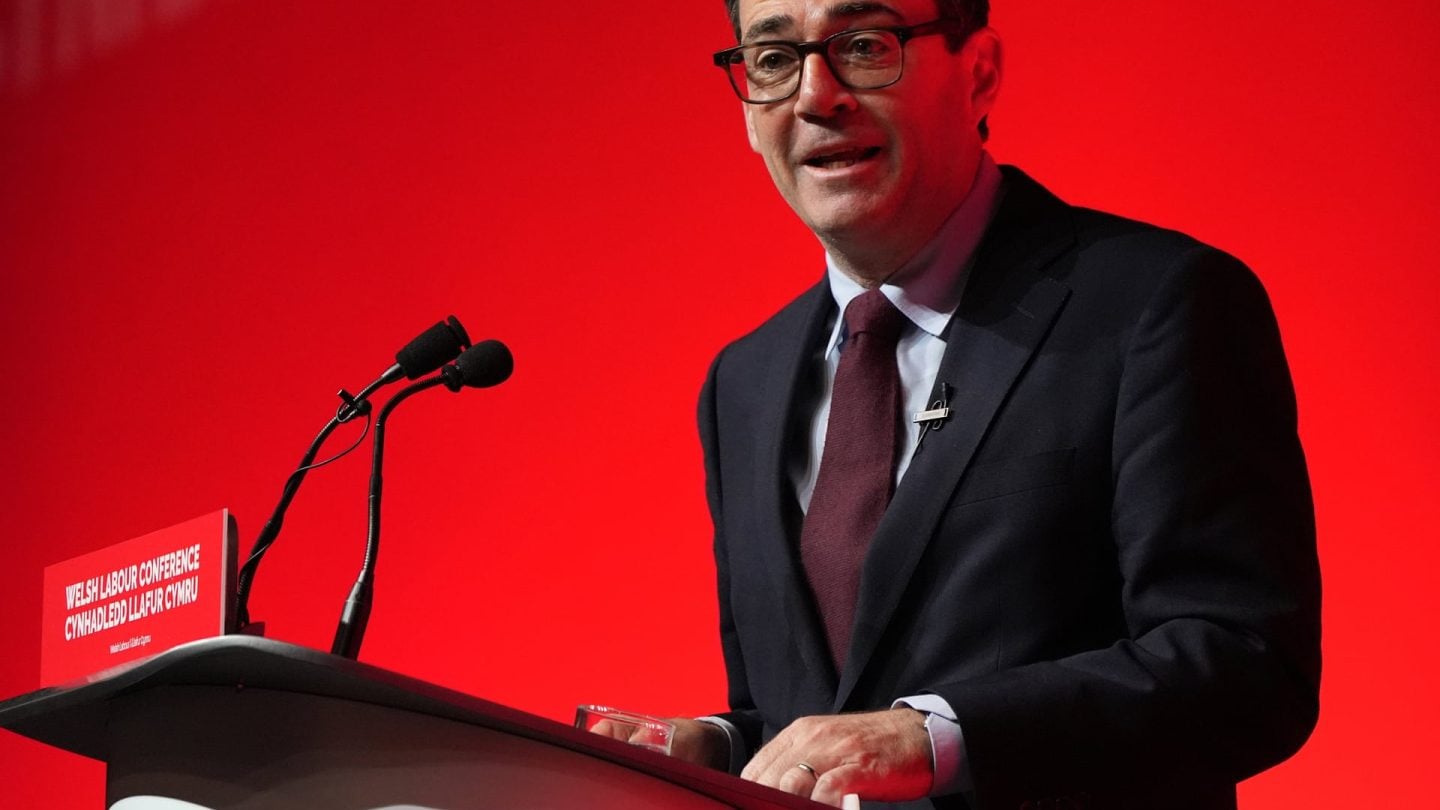
The prime minister’s strategy has drawn intense debate across Westminster. Speaking at the Welsh Labour conference in Llandudno, Mr. Burnham said that the Conservative Party delivered a harsher break than voters expected in 2016 by burning bridges with continental partners.
I think we’ve lost more than we’ve gained over the last 10 years, and, actually, I think the Conservatives gave Britain a harsher and harder Brexit than people thought they were getting when they voted in 2016, because they burned all of our bridges in the aftermath, with the EU, and so I’m going to lead as Prime Minister on this issue, and I’m going to go and try and get the best deal I can for Wales, for those here who could benefit, Welsh farmers, exporters of Welsh shellfish and Welsh lamb.
Andy Burnham, Prime Minister
Opposition figures swiftly condemned the approach. Kemi Badenoch criticized the administration for “unpicking the deal this country signed with the EU a decade after the referendum” and argued that revealing his entire negotiating hand leaves the prime minister with little power against tough European negotiators.
Deputy Conservative leader Alex Burghart similarly said that the prime minister was attempting to distract the public from rising welfare costs and defence funding questions. Meanwhile, Reform UK deputy leader Richard Tice accused Mr. Burnham of trying to sneak the country back into Brussels via the back door.
Former Prime Minister Lord Cameron also intervened, warning against reopening a decade-long debate and saying that the UK’s economic issues are unrelated to trade barriers.

Mr. Burnham hit back at those remarks, saying that the former Conservative leader is “wrong” to suggest low growth over the past ten years has nothing to do with leaving the bloc, and said that Lord Cameron’s intervention was motivated by internal party management rather than national interests.
Food Prices Face Rising Import Costs
Defending the upcoming diplomatic engagements, the prime minister said that securing a new agrifoods arrangement will “get food prices down” and reduce administrative overhead for exporters.
Independent research cited in economic policy debates shows the enduring weight of non-tariff barriers. Researchers at the LSE’s Centre for Economic Performance found that additional paperwork and checks added approximately £210 to average household food bills in the two years leading up to the end of 2021, with a subsequent update placing the figure at about £250 through March 2023.
As the November 20 summit approaches, administration officials maintain that the government will respect its manifesto red lines—which rule out returning to the single market, customs union, or free movement—even as it pursues closer alignment on practical economic files.