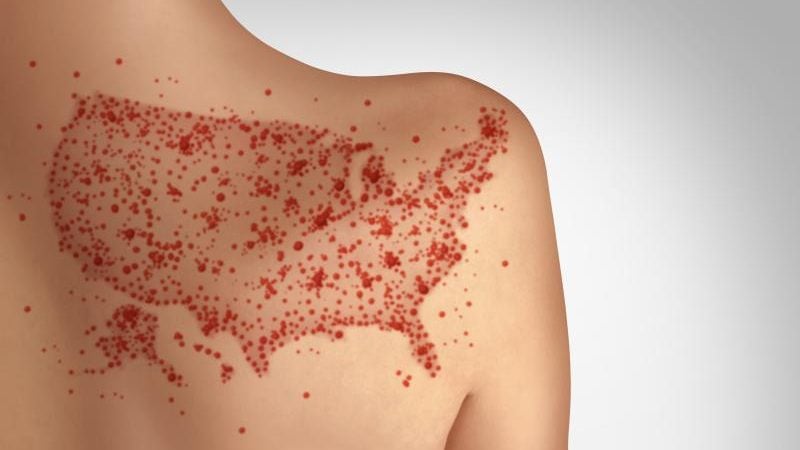
U.S. infant bleeding episodes have surged as parents increasingly refuse newborn doses of vitamin K.
The Surge in Infant Bleeding Disorders
Two major studies published in JAMA and JAMA Pediatrics revealed that as refusal rates climbed between 2017 and 2025, cases of vitamin K deficiency bleeding jumped nearly quadrupled. Researchers analyzing medical records for millions of infants found that the percentage of newborns receiving the intramuscular injection dropped from 97.7% to 95.0% between 2017 and 2025.
Infants who skipped the injection faced a 47% higher risk of bleeding within their first six months of life. They also carried more than twice the risk of intracranial bleeding, a catastrophic complication that can lead to seizures or death.
“The rarity of VKDB may leave today’s families largely unaware of its grave consequences,” researchers wrote in a letter supporting the findings, pointing to a victim of its own success phenomenon where decades of effective prophylaxis have erased public memory of the disease.
Providing vitamin K shots at birth has been the standard of care since 1961, recommended by the American Academy of Pediatrics to protect newborns who naturally have very low levels of the nutrient due to poor placental transfer, low amounts in breast milk, and inefficient gastrointestinal absorption.
Without this single intramuscular dose, infants are vulnerable to vitamin K deficiency bleeding, which can manifest as skin bruising or escalate to severe brain hemorrhages.

In a study published in JAMA, Steven Woolf of Virginia Commonwealth University and his co-authors examined medical records for more than 5.2 million infants. Their analysis showed that the proportion of newborns not receiving the intramuscular vitamin K shot more than doubled from 3.1% in 2017 to 6.8% in 2025.
A broader study led by Elizabeth Wolf, a pediatrician at the Children’s Hospital of Richmond at VCU, tracked more than 11 million infants up to six months old and found that bleeding events nearly quadrupled during the same period, with the 2025 rate reaching approximately double what it was in 2024.
“We knew from prior studies that vitamin K refusal had been increasing in the U.S., and we wanted to learn if there were any real-life consequences of this trend,” Elizabeth Wolf, a pediatrician at the Children's Hospital of Richmond at VCU, said.
Mistrust, Misinformation, and the Rise in Refusals
Medical professionals attribute the growing skepticism to broader vaccine hesitancy, social media misinformation, and eroding trust in public health institutions following the COVID-19 pandemic. Although the vitamin K shot is not a vaccine, many parents confuse it with immunizations or worry about rare warning labels.

“I think now when people think of shots, they think of vaccines,” said Candice Foy, a pediatrician and medical director of the newborn nursery at Stony Brook Children’s Hospital.
A Department of Health and Human Services spokesperson said that the Centers for Disease Control and Prevention still recommends that parents give newborns the vitamin K shot within six hours of birth, even as federal tracking of refusal rates remains limited.
Regional providers have experienced the impact firsthand. At Moses Taylor Hospital, certified registered nurse practitioner Tracy Whitman routinely counsels parents questioning the necessity of the injection, while Geisinger Health System pediatrician Dr. Michele Ann Neff-Bulger and maternal-fetal medicine division chief Dr. Diane Timms point out that internet-styled experts and conflicting guidance have left families unsure of who to trust.
Tragic Real-World Consequences in Texas
The national statistics mirror devastating individual cases, including that of newborn Gwen Biesenbach in Texas. Stephanie and Eric Biesenbach opted for oral vitamin K drops instead of the standard birth injection after growing wary of medical interventions. When Gwen was 11 days old, her belly button would not stop bleeding.
“I think that they just gave him too much at once,” Eric Biesenbach said.

The family brought her to a freestanding emergency room in New Braunfels that lacked vitamin K injections on site. The attending physician, Dr. Nicole Malouf, spent hours trying to manage the bleeding using silver nitrate sticks to cauterize blood vessels. As Gwen grew increasingly lethargic and her blood pressure dropped, emergency staff prepared an ambulance transfer to North Central Baptist Hospital in San Antonio.
Gwen passed away the following morning, and a medical examiner attributed her death to vitamin K deficiency bleeding. Following a September 2025 hearing, the Texas Medical Board found that Malouf failed to recognize a life-threatening vitamin K-dependent bleeding disorder and failed to immediately transfer the infant when the facility lacked the necessary injections on site, ordering her to complete 24 hours of continuing medical education.
Truveta data indicates that infant vitamin K refusals increased by 57% between January and June 2026, leading physicians across the country to urge parents to discuss catch-up doses during early well-baby visits and consult qualified pediatric professionals.
Readers should consult qualified pediatricians or healthcare professionals to discuss individual newborn care decisions and vaccination schedules.