Bangladesh has deployed hundreds of paramilitary troops nationwide following a week of escalating political violence, arson, and bomb blasts triggered by former Prime Minister Sheikh Hasina’s pledge to return from exile in December.
Arson and Clashes in Narail District
Political tensions turned violent in Narail district this week, where at least 20 to 30 houses belonging to Awami League leaders and activists were set ablaze. The attacks followed the killing of two Bangladesh Nationalist Party (BNP) leaders on November 18, according to Narail Superintendent of Police Mohammad Al Mamun Sikder.
The individuals killed were identified as Shahin Sheikh, 45, general secretary of the Kalia Municipal Krishak Dal, and Sohel Molla, 40, general secretary of the Kalia Upazila unit of the Jatiyatabadi Samajik Sanskritik Sangstha (JASAS). Following these deaths, properties including the residences of former Awami League lawmaker BM Kabirul Haque Mukti, former Kalia municipality mayor Mushfiqur Rahman Liton, and local party general secretary Krishnapada Ghosh were targeted.
“The fascists' thirst for blood had intensified and deepened even after they fled the country. Those who have tasted blood and developed a thirst for it cannot remain at peace without shedding blood. They are now spilling the blood of pro-democracy people and those who fought for democracy in the country,” BNP Acting Secretary General Ruhul Kabir Rizvi said.
The scale of the destruction remains a subject of dispute between local officials and party figures. While Sajeeb Wazed Joy, the son of Sheikh Hasina, alleged that nearly 200 homes were looted and burnt, local authorities provided significantly lower estimates.
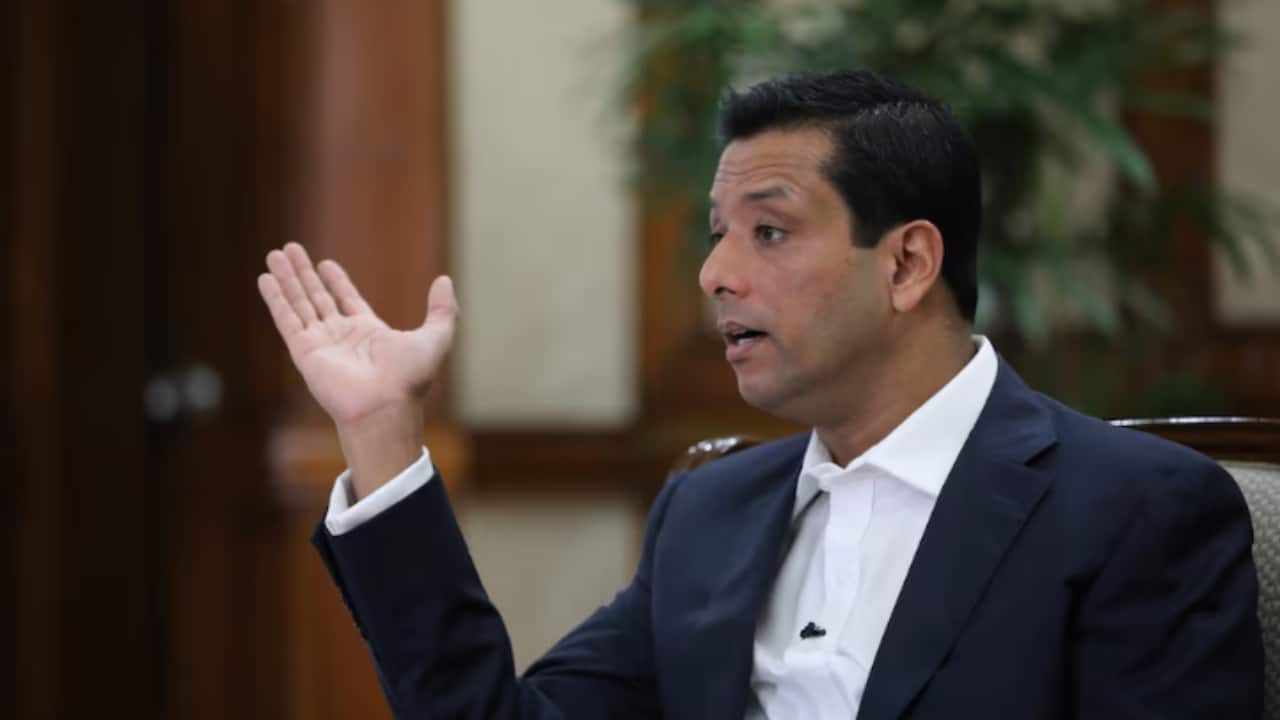
Kalia Upazila Executive Officer Md Jinnatul Islam reported that 15 to 20 houses were vandalized and several set on fire, while Fire Service Station Officer Humayun Kabir confirmed that 20 to 30 houses were gutted in the village of Bendar Char. Local BNP leaders have dismissed the allegations of widespread arson as baseless.
Violence Spreads Across Districts as Banned Awami League Mobilizes
The violence has spread across multiple districts as the Awami League, which has been banned since May 2025, attempts to mobilize support for Hasina’s planned return. Newly appointed Bera Police Station Officer-in-Charge Md Golam Mostafa said that law enforcement is working to keep the situation under control, though tension remains high in the area.
The government has stepped up security by deploying hundreds of paramilitary Border Guard Bangladesh (BGB) personnel nationwide. Between November 7 and 17, police records identified 70 cocktail explosions and 57 incidents of vehicle arson across the country.
Additionally, at least 72 branches of the Grameen Bank have been targeted by arson and vandalism between November 10 and 19. Home Minister Salahuddin Ahmed has promised to prosecute those responsible for the violence, stating that the government is utilizing drone surveillance and body cameras to monitor agitators.
We will go after these terrorists, and the long arm of justice will reach them.
Humayun Kobir, State Minister for Foreign Affairs
Legal Challenges to Hasina’s Return
Sheikh Hasina, who has lived in India since fleeing a student-led uprising in August 2024, faces a death sentence in absentia for her role in the crackdown on protesters. The interim government and the subsequent administration led by Prime Minister Tarique Rahman have revoked her passport and identity documents, insisting that she must be returned via the bilateral extradition treaty rather than entering the country as a private citizen.
Bangladesh Bureau of Statistics data indicates that consumer price inflation remained at 8.27% in October, reflecting the ongoing economic challenges faced by the current administration under Prime Minister Tarique Rahman.
Despite these legal hurdles, Hasina has publicly declared her intent to return in December to surrender before a court. The government has characterized the recent wave of petrol bomb attacks and arson as a coordinated effort by the banned party to destabilize the nation.
Prime Minister Tarique Rahman has accused the Awami League of conspiring against the state, emphasizing the need for political forces to stand together as they did during the 2024 uprising. Foreign Ministry officials have described the Awami League as a “terrorist organisation” and warned that those inciting violence from abroad will face legal action.
Tribunal Proceedings Raise Fair-Trial Concerns Amid Extradition Debate
The legal pathway for Sheikh Hasina’s return remains a focal point of intense international and domestic debate. Security analyst Benzamin Heinz has said that the International Crimes Tribunal’s handling of judicial proceedings against the former prime minister and her party members has raised significant concerns regarding judicial independence and due process.
Human Rights Watch previously issued a statement in July 2026 highlighting serious fair-trial issues within the tribunal’s framework, casting doubt on the institutional neutrality of the ongoing cases.
While Hasina has expressed a desire to surrender before a court, recent analysis in the Asia Times suggests a growing contradiction in the debate, as the government faces pressure to justify why a voluntary appearance would not be the most straightforward legal resolution.
Meanwhile, Prime Minister Tarique Rahman has accused the Awami League of attempting to destabilize the country, even making veiled references to unidentified “masters across the border” for the deteriorating security situation.
Political Unrest Threatens Garment Sector as BNP and Jamaat-E-Islami Diverge
The current political unrest has exacerbated economic anxieties, with the garment sector—which accounted for approximately 8.5% of the country’s nominal GDP in 2025—facing potential disruption.
Having previously governed in an alliance with Jamaat-e-Islami until 2006, the BNP now contends with a shift in its former partner’s ambitions. The two parties, which remain distinct in their interpretations of the 1971 Liberation War, are currently experiencing ideological and tactical divisions despite their shared history.
“We have been on the run for over two years when hundreds of our supporters were lynched or wounded, and thousands more are languishing in jails,” an Awami League leader said.
Sentinel Assam reports that economic challenges in this region are deeply rooted in the historical and political developments of the territory since 1905, and the ongoing volatility in Bangladesh continues to impact border security and regional economic conditions. As the government continues to deploy paramilitary forces to manage protests and factory shutdowns, the administration remains under pressure to address both the political opposition and the daily cost-of-living concerns of its citizens.
Misinformation and Regional Implications
Amid the current volatility, authorities have struggled to contain the spread of digital misinformation. AFP Fact Check reported that footage of protests from 2023 and 2025 has been falsely circulated online as scenes from the recent November 2026 demonstrations.
One widely shared video, which claimed to show the return of the Bangladesh Chhatra League general secretary, was traced to 2023. These digital campaigns have complicated the government’s efforts to maintain order during the nationwide lockdown calls.
The regional impact of this unrest is significant, particularly for India’s Northeastern states, which share a long international boundary with Bangladesh. The political developments since the ouster of Sheikh Hasina in August 2024 have affected economic and security conditions in the region.
While the Bangladesh Nationalist Party has historically maintained an anti-India posture, the Indian government has reiterated its desire for constructive ties, viewing the internal protests as a domestic matter.

The Bangladesh Nationalist Party (BNP) currently holds the role of the ruling party, having secured victory in the 2026 general elections. As a major centre to centre-right organization, it maintains a broad political base that includes working-age voters, farmers, labourers, and various religious and indigenous groups.
Under the leadership of Prime Minister Tarique Rahman, the party has transitioned from its historical position as a parliamentary opposition to its current status as the governing authority.
The BNP continues to navigate the country’s volatile political climate while managing administrative responsibilities amidst ongoing confrontations with remnants of the former regime.
As the December deadline approaches, the government continues to arrest members of the banned Awami League. Police spokesperson Niaz Mehedi confirmed the detention of 71 individuals in a single 24-hour period last week, as the country prepares for what appears to be a prolonged period of political confrontation.
The Bangladesh Nationalist Party, which won a two-thirds majority in the 2001 election alongside its former ally Jamaat-e-Islami, is now navigating a complex political landscape where it must address both the banned Awami League’s agitation and internal economic pressures.