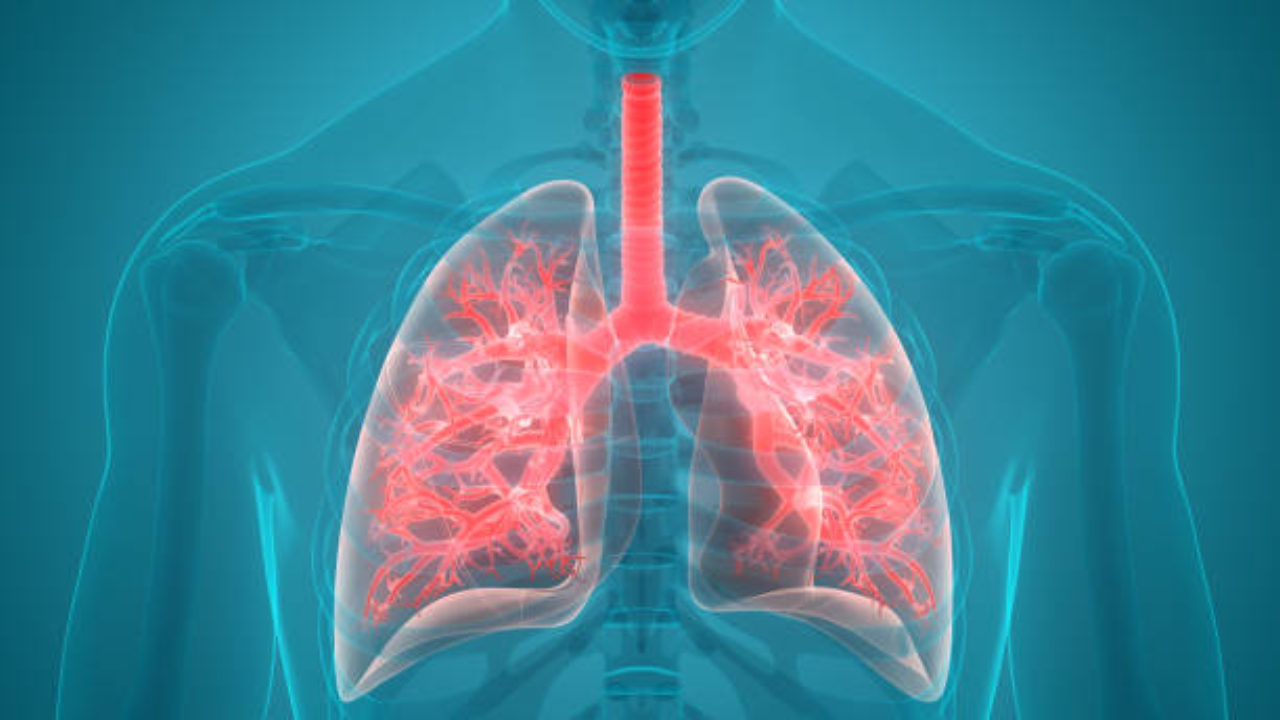
Lung cancer is the world’s most commonly diagnosed cancer and the leading cause of cancer deaths. Experts say the disease is not exclusively a smoker’s condition.
Lung cancer is the primary cause of cancer death globally. Medical experts report that 10 to 20 percent of those diagnosed have limited or no history of smoking. Early detection through low-dose CT screening and awareness of persistent symptoms are tools for improving patient outcomes.
Environmental and Behavioral Risks
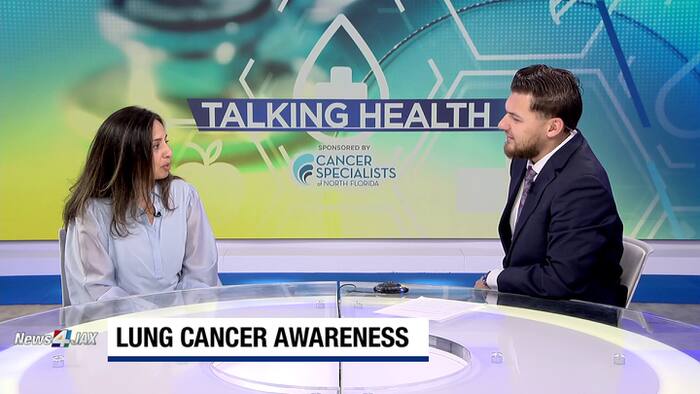
Smoking is the leading cause of lung cancer. “It’s always been thought to be the smoker’s disease, and it is most commonly in smokers,” said Dr. Sejal Kuthiala, an oncologist with Cancer Specialists of North Florida.
Kuthiala said environmental exposures also play a role. These include secondhand smoke, radon gas, radiation, and various workplace exposures. Some patients have no known risk factors.
Radon is a radioactive gas that forms in soil and rocks. The US Environmental Protection Agency identifies it as the second-leading cause of lung cancer in the United States. It is odorless and tasteless. It can accumulate in homes and buildings through cracks in foundations.
Air pollution also contributes to risk. Fine particles reach deep into the lungs. Occupational exposure to asbestos, silica, and diesel fumes is also a factor. The risk from these hazards increases if workers lack protective equipment.
Recognizing Early Symptoms
Clinicians say people should recognize physical changes early. “Symptoms that occur are symptoms that are real,” Kuthiala said. “It doesn’t always have to be something as bad as lung cancer, but you do need to pay attention to something that’s different.”
Dr. Robert Kratzke of the University of Minnesota Medical School said a persistent cough lasting several months is a common symptom. Annual screening using low-dose CT scans is recommended for those at high risk. Kratzke said this screening detects cancer at earlier stages and saves lives.
Risks of Vaping
Medical experts are raising alarms about electronic cigarettes. Kuthiala said these devices increase nicotine exposure and pose health risks. “Unfortunately, vaping, electronic cigarettes, all of that are just as dangerous with regard to lung cancer risk, if not more dangerous,” Kuthiala said.
Targeted Treatment Options
Treatment strategies have evolved. “Some cancers have specific markers that can be targeted,” Kuthiala said, allowing for tailored care.
Many stage 4 patients now live for years with a good quality of life. Patients with concerning symptoms should speak with their primary care physician to determine if imaging or a specialist referral is necessary.
Researching Lung Cancer Biology
Researchers are investigating the underlying biology of lung cancer. Dr. Robert Kratzke, a faculty member at the University of Minnesota, works on this as part of the Genetic Mechanisms of Cancer Program at the Masonic Cancer Center. He and his colleagues focus on treatment strategies and the scientific understanding of the disease.
Personalizing Patient Care
Dr. Sejal Kuthiala, an oncologist with Cancer Specialists of North Florida, said doctors use specific cancer markers to tailor treatment. This approach differs from traditional therapies. It allows for precise clinical interventions based on the molecular profile of the malignancy.
Types of Lung Cancer
Kuthiala said lung cancer has two primary types: non-small cell and small cell. Non-small cell lung cancer is the most common. Small cell lung cancer is more aggressive.
Dr. Sejal Kuthiala, an oncologist with Cancer Specialists of North Florida, brings extensive clinical expertise to the evaluation of lung cancer risks. She is board-certified in medical oncology and has been with her current practice since 2006.
Her medical training includes completing a medical oncology fellowship at the Medical College of Georgia, where she also finished her residency. This background informs her professional focus on providing comprehensive care for patients with various malignancies, including lung cancer, and her commitment to advancing modern, targeted treatment strategies for those facing complex diagnoses.
Symptoms are sometimes caused by conditions other than cancer. Medical professionals say people should consult a physician to determine if imaging, such as a chest X-ray or CT scan, is appropriate. Patients should start by speaking with their primary care physician.


