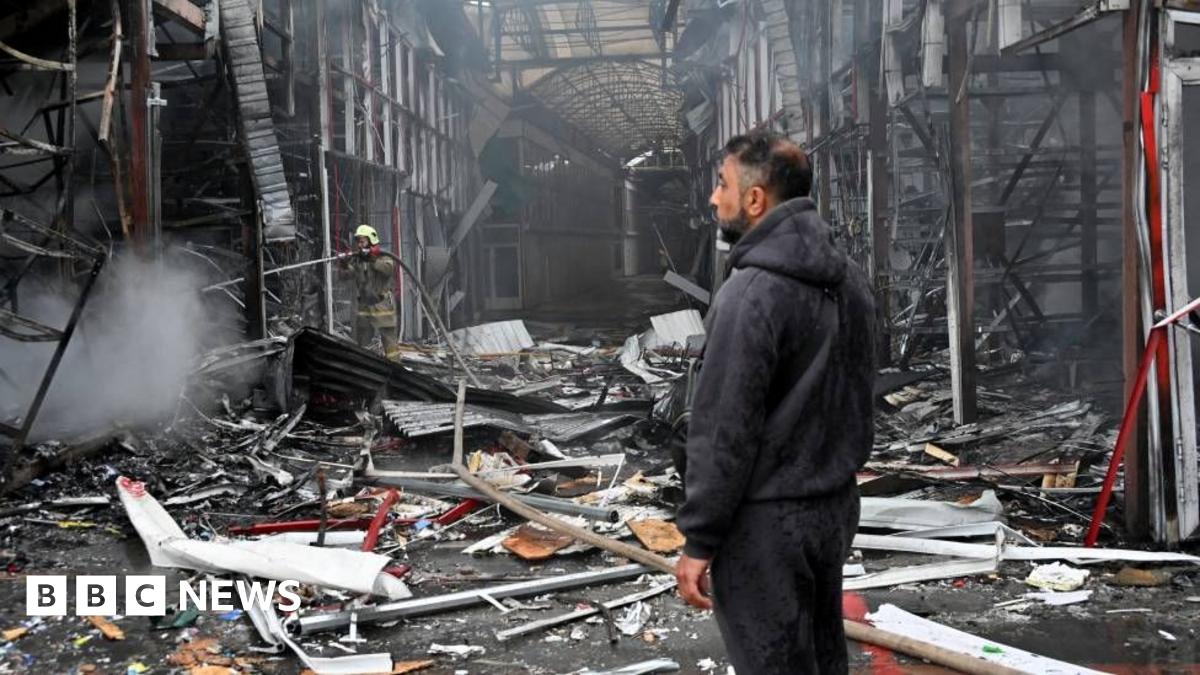
Four people were injured and 15 homes sustained limited damage in Riyadh early Wednesday after Saudi air defenses intercepted two cruise missiles fired by Houthi forces, while a separate strike sparked a limited fire at an administrative building belonging to Saudi Aramco in Dhahran.
The security developments unfolded as regional tensions escalated sharply following ongoing missile and drone activity. Saudi authorities detailed the physical toll of the aerial interceptions, while state-linked energy officials confirmed the containment of the industrial site blaze without casualties.
#Statement | Ministry of Energy: Saudi Aramco Administrative Building in Dhahran Targeted, No Injuries Reported. pic.twitter.com/BQ7u9Km5Zp
Riyadh Missile Interceptions and Damage to Residential Areas
The Saudi Civil Defense reported that falling shrapnel from two intercepted cruise missiles damaged 15 residential properties in the capital. The agency stated that four individuals—two women, a man, and a child—sustained injuries from the debris following the aerial interceptions over Riyadh.
Aramco Administrative Building Struck in Dhahran
Simultaneously, the energy sector faced direct impact in the kingdom’s Eastern Province. A senior official at the Ministry of Energy announced that an administrative building tied to Saudi Aramco in Dhahran was targeted late Tuesday, resulting in a localized fire. Specialized response teams moved quickly to secure the location and extinguish the flames. State outlets confirmed that the incident caused no injuries or fatalities among workers or residents.
Air Defense Operations and Coalition Retaliation
The Arab coalition supporting legitimacy in Yemen reported a broader wave of incoming projectiles targeting multiple regions. According to military spokespersons, defense systems intercepted ballistic and cruise missiles alongside drones over the southern region, the Riyadh airspace, and Al-Kharj, with debris also scattering near residential sectors in Dhahran.
Economic Fallout and International Concern
The persistent security friction has rippled outward into international markets and regional travel corridors. IMF Managing Director Kristalina Georgieva noted that the intensification of conflict in the oil-rich region carries potential global economic repercussions amid elevated energy costs worldwide. Simultaneously, diplomatic missions, including the U.S. Embassy, updated travel advisories for American personnel and citizens residing in the kingdom, pointing to heightened regional risks.

=== END ARTICLE >