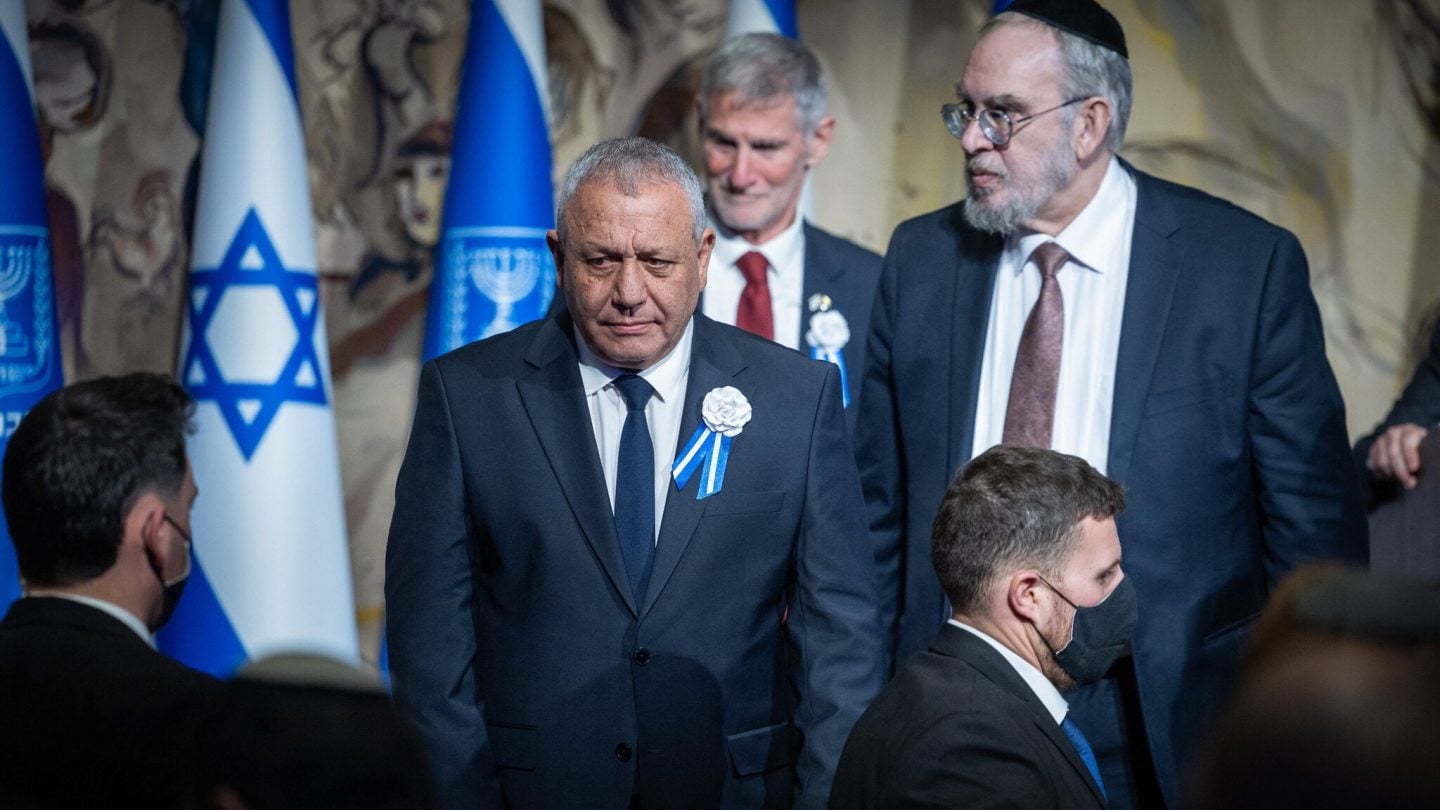
“A situation in which a caretaker prime minister in the minority, who has lost the trust of the people in such an extreme way, continues to operate the security system and law enforcement authorities, is a dangerous situation that must not continue even for one more day,” Gadi Eisenkot wrote on X.
Israel’s newly sworn-in 26th Knesset convened for the first time on Tuesday, immediately triggering a legislative offensive by a resurgent opposition determined to dismantle Prime Minister Benjamin Netanyahu’s domestic agenda and investigate the security failures of the October 7, 2023, Hamas attacks. Although Eisenkot holds the presidential mandate to form a government, his path remains intensely complicated amid sharp political divisions.
To all our friends in the United States and around the world: The Israeli people have voted for change and to replace the current government. Our democracy remains strong and vibrant. We are working to fulfill the will of the Israeli people by forming a new government as soon…
Among the incoming lawmakers sworn in on Tuesday are bereaved family members, reservists, advocates for the approximately 250 Israelis taken captive that day, and Eisenkot himself, who lost a son and two nephews in the violence that followed. The oldest member of the legislature is Benjamin Netanyahu, who has served in 15 Knessets since 1988, while 24-year-old Yonatan Shalev of the B’Yachad party breaks a 66-year-old record as the youngest MK.
Eisenkot Receives Mandate Amid Coalition Hurdles
President Isaac Herzog officially tasked Eisenkot with forming the next government after consultations with parties elected on October 27 showed 67 lawmakers recommending him, compared to 46 who backed Netanyahu according to JNS reporting. Netanyahu’s right-wing and religious alliance won 53 seats, while Eisenkot’s change bloc controls 48 alongside 19 seats held by two Arab-led parties, the Joint List and Ra’am as detailed by Foreign Policy.
The four Jewish opposition parties in Eisenkot’s bloc comprise his own Yashar party; Together, led by former prime ministers Naftali Bennett and Yair Lapid; Yisrael Beiteinu; and the left-wing Democrats, led by Yair Golan.
Forming a coalition requires a majority of at least 61 seats in the 120-member Knesset reported AP. In addition to these negotiations, opposition lawmakers have agreed on key leadership nominations, slating former minister and incoming MK Matan Kahana from Yashar to be the next Knesset speaker.
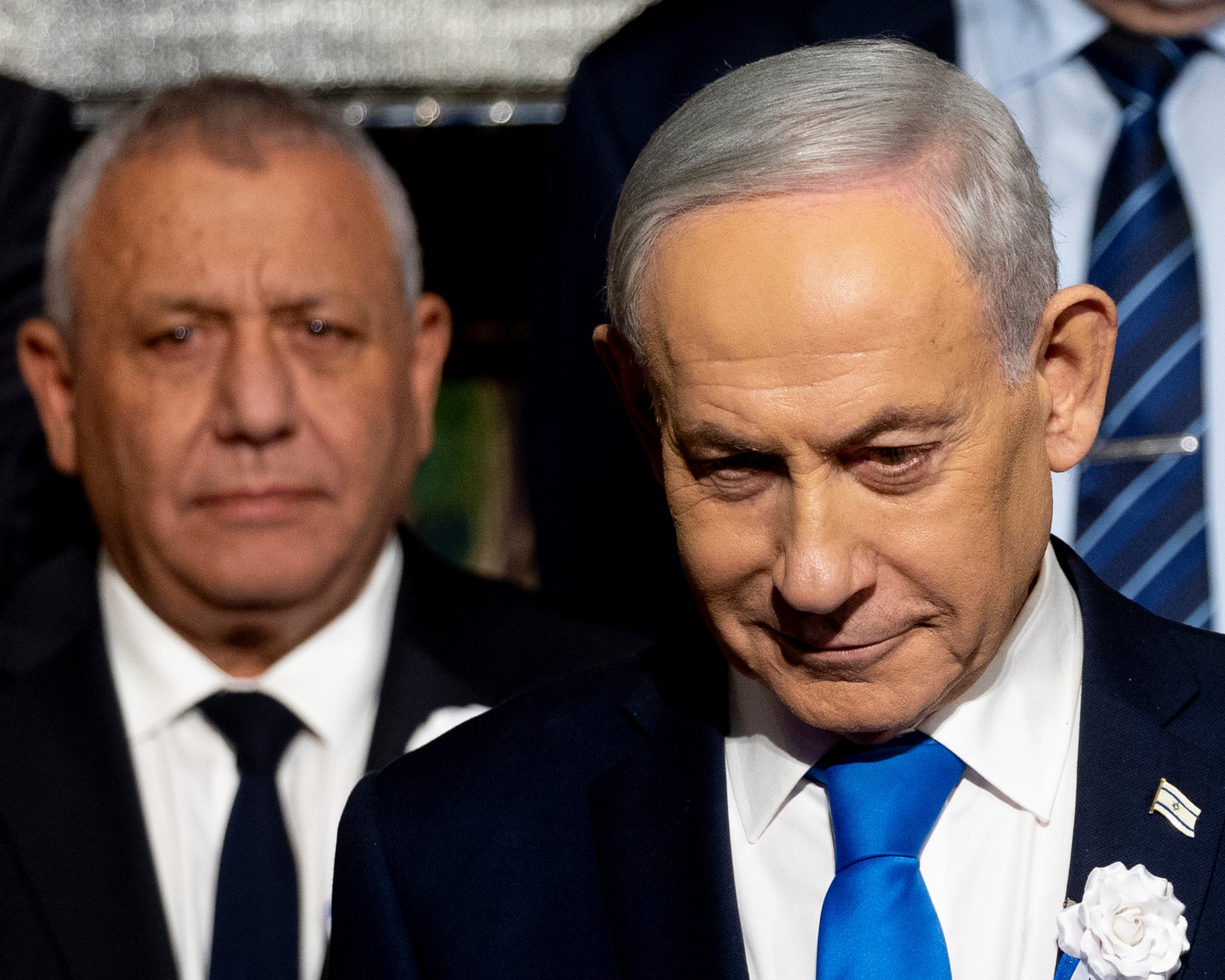
Yashar Party Submits Bills to Target Judiciary and October 7 Inquiry
Moments after the swearing-in ceremony, Eisenkot’s Yashar party submitted a series of bills alongside allied opposition parties, The Guardian noted.
The legislative package seeks to establish a state commission of inquiry into the October 7 massacre, impose term limits on prime ministers that could block Netanyahu from reclaiming power reported The Guardian, and repeal the outgoing government’s judicial overhaul legislation including changes eroding the powers of the attorney general noted The Times of Israel.
The Knesset approved the composition of the Arrangements Committee with support from Arab lawmakers according to Ynet. Additionally, the opposition moved to replace current Knesset Speaker Amir Ohana, a Netanyahu ally, weakening his control over the legislative agenda reported CNN.
Netanyahu Appeals for Unity Amid Heated Knesset Clash
“I sat and listened to the outgoing prime minister’s delusional, divisive, hate-filled and shameful speech,” Eisenkot said.
Eisenkot slammed the remarks and immediately canceled a scheduled coalition negotiation meeting with Likud representatives reported Ynet. Lawmakers Yair Golan and Yoav Segalovich walked out of the address in protest The Guardian added, while President Herzog urged all members of parliament to pursue compromise and avoid a second election noted the publisher.