US and Israeli military actions are fueling growing political resistance and public criticism as Iranian leadership confronts international fallout from ongoing conflicts.
Iran Criticizes US and Israel at COP31
Iranian President Masoud Pezeshkian departed Tehran for Turkey to attend the UN Climate Change Conference, COP31. Before leaving, Pezeshkian said the summit is a platform to address environmental damage inflicted by regional military strikes.
Pezeshkian said that 196 countries are taking part in the summit. Delegations from 71 nations are led by presidents or prime ministers. Tehran intends to use the global forum to raise the issue of environmental degradation caused in and around Tehran by US and Israeli military operations.
Iranian Foreign Minister Targets Donald Trump
The diplomatic friction extends beyond environmental forums, drawing in Washington politics following American midterm elections. Iranian Foreign Minister Seyed Abbas Araghchi used social media to target Donald Trump regarding Republican Party losses at the ballot box.

Iran Warns Nations Against Foreign Military Aid
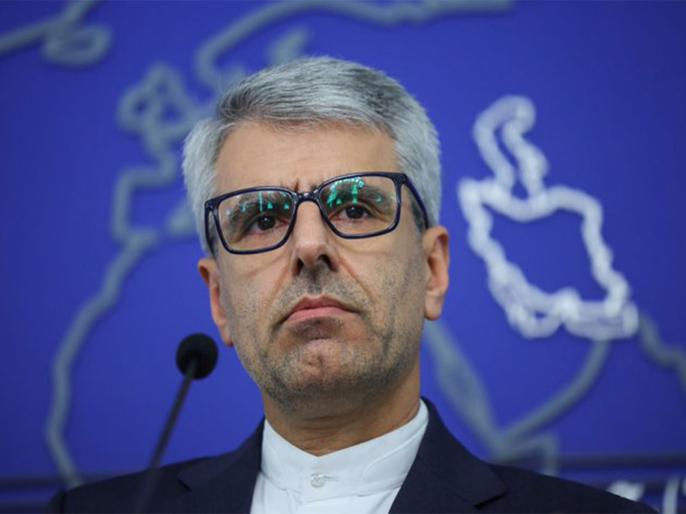
As regional tensions persist around the Strait of Hormuz, Iranian Foreign Ministry Spokesman Esmaeil Baghaei issued a warning to nations considering logistical or military support for US operations against Iran.
Baghaei said that such support would be considered a hostile act. Assisting nations become directly responsible for aggression against the Islamic Republic. The ministry specified that any participation, including naval deployments, logistical assistance, or involvement in economic measures, violates international law.
Tehran cited United Nations Charter Article 2 (4) and UN General Assembly Resolution 3314 to reject justifications like freedom of navigation or counter-piracy operations. Tehran maintains that bilateral agreements with the United States cannot legalize military aggression against Iran.