Nearly six months after health authorities declared the outbreak in May, the Democratic Republic of the Congo’s Ebola crisis has surpassed 11,000 confirmed cases amid worsening security threats and severe operational gaps.
National health ministry data cited by NBC News puts the total at 11,042 infections and 5,387 deaths, while figures reported by Xinhua place the toll at 11,114 confirmed cases and 5,433 deaths with a case fatality rate of 48.9 percent as of November 10. The epidemic, driven by the Bundibugyo virus, has expanded across eight of the country’s 26 provinces.
Shifting Epicentres and Surging Transmission in North Kivu
While early epicentres in Ituri province have seen a significant reduction in transmission—with some treatment centers operating at half capacity—the virus has splintered into multiple rural hot spots across a vast rainforest territory about the size of Britain.
The #Ebola outbreak has expanded significantly over the past month, with the Democratic Republic of the Congo (DRC) reporting 11,114 confirmed cases and 5,433 deaths as of November 11. Read our full situation report on ReliefWeb: https://t.co/0T1XG6qwBU pic.twitter.com/lsxpvfu1Yn
As infections declined in Ituri, cases in neighboring North Kivu surged. Towns like Biakato deep in the rainforest quickly accounted for a quarter of new national cases while receiving little outside support.
“We see the same mistakes as before,” said Dr. Jean-Jacques Muyembe, who helped discover Ebola in 1976 and now heads Congo’s National Institute for Biomedical Research, as reported by the New York Times. “It’s as if we were starting from zero. It’s very disappointing.”

Armed Violence and Attacks on Health Workers
Response teams face severe obstacles from armed groups operating in the region, particularly the Allied Democratic Forces (ADF). Julien Harneis, the U.N. Ebola response coordinator with the Office for the Coordination of Humanitarian Affairs in Bunia, said that more people were killed by ADF violence than by Ebola during recent weeks.
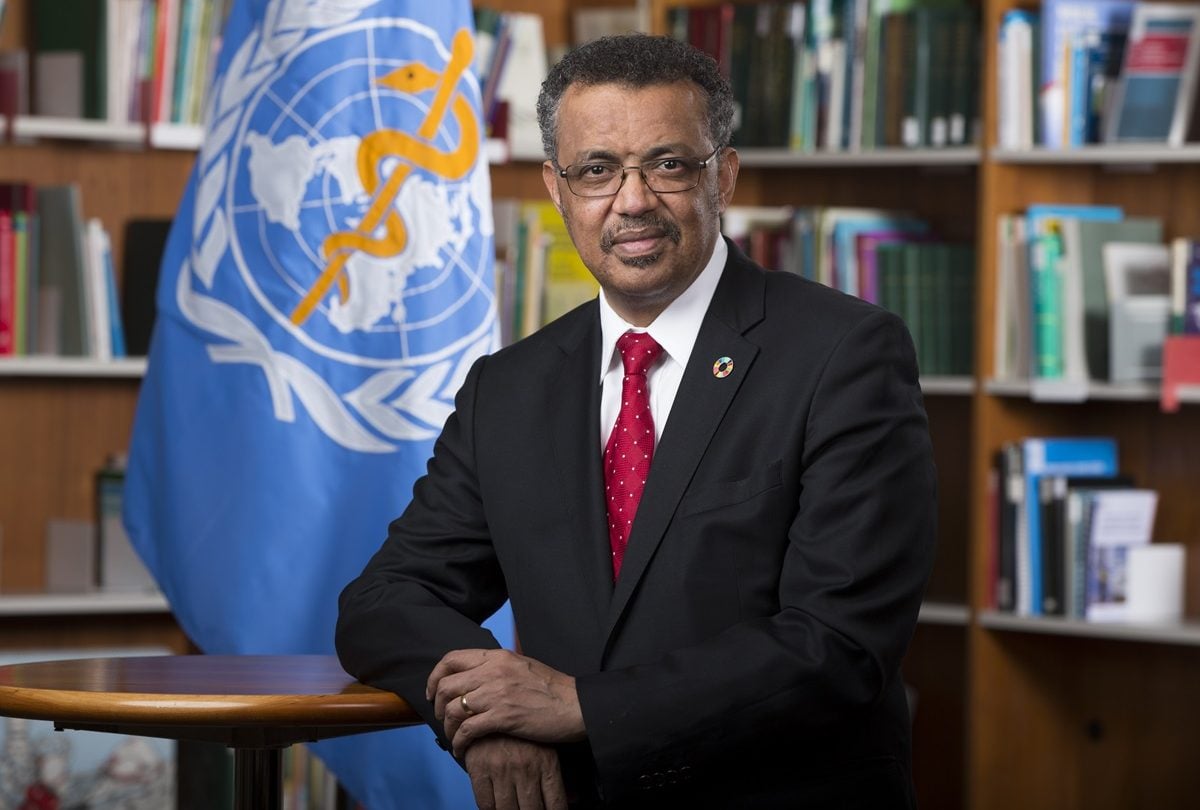
World Health Organization Director-General Tedros Adhanom Ghebreyesus highlighted an attack on Cantine-Aloya in North Kivu that killed 66 civilians in an attack in eastern Congo, including three health workers. Three health facilities were looted and burned during the raid, disrupting contact tracing and leaving more than 1,000 contacts lost to follow-up and three confirmed cases unaccounted for.
DR Congo Ebola outbreak: despite successes in containing deadly disease in transmission hotspots, armed violence is holding back response as infections spread in rural and hard-to-reach eastern and northeastern provinces @UNOCHA @WFP @WHO https://t.co/eDc3edm26N
This appalling attack represents both a major humanitarian emergency and a significant setback to the response.
Tedros Adhanom Ghebreyesus, World Health Organization Director-General
Communities already enduring decades of unrest are also battling rising food insecurity. According to UN-backed assessments, 30.3 million people will be in crisis levels of acute food insecurity between January and June 2027, with most in the conflict and Ebola-affected eastern and northeastern provinces.
Systemic Dysfunctions Hinder Ebola Surveillance and Response
Medical humanitarian organizations have warned of systemic dysfunctions in the epidemic response. Médecins Sans Frontières (MSF) asserted that about two-thirds of Ebola-related deaths reported in… occurred in communities rather than treatment centers, driven by a persistent failure in epidemiological surveillance.
DR Congo: 71 Ebola cases have been detected along transit routes, @UNMigration reports.https://t.co/7nopK9jkXu
“Despite the vast amounts of money provided for the response, many frontline responders are left trying to contain the outbreak with empty hands and empty pockets,” said MSF president Dr. Javid Abdelmoneim, as reported by Health Policy Watch. “Our teams are often left speechless by the dysfunctions they witness in many areas.”
Misinformation and mistrust have further hampered containment efforts. In Ituri, rumors spread that health teams contaminated facilities and that patients taken to treatment centers never returned alive. Response teams have countered these fears through community dialogues engaging religious leaders, youth, and traditional healers.
$700 MILLION MISSING while #Ebola spirals out of control in DR #Congo. Hundreds of millions in aid vanished, leaving frontline workers unpaid, clinics without water, and ambulances out of fuel as over 5,400 people die. Where did the money go??? https://t.co/IDbxrlQuPR
The Toll on Children and Regional Spillovers
Children continue to bear a heavy burden in the crisis. UNICEF reported that 2,959 children under 18 had been confirmed with Ebola and 1,737 had died as of November 4, accounting for 28 percent of cases and 35 percent of deaths. Children under five make up 14 percent of cases and 21 percent of deaths.
Regionally, the virus has touched neighboring countries through imported cases. Nigeria reported one imported case involving a Swiss citizen who was evacuated.
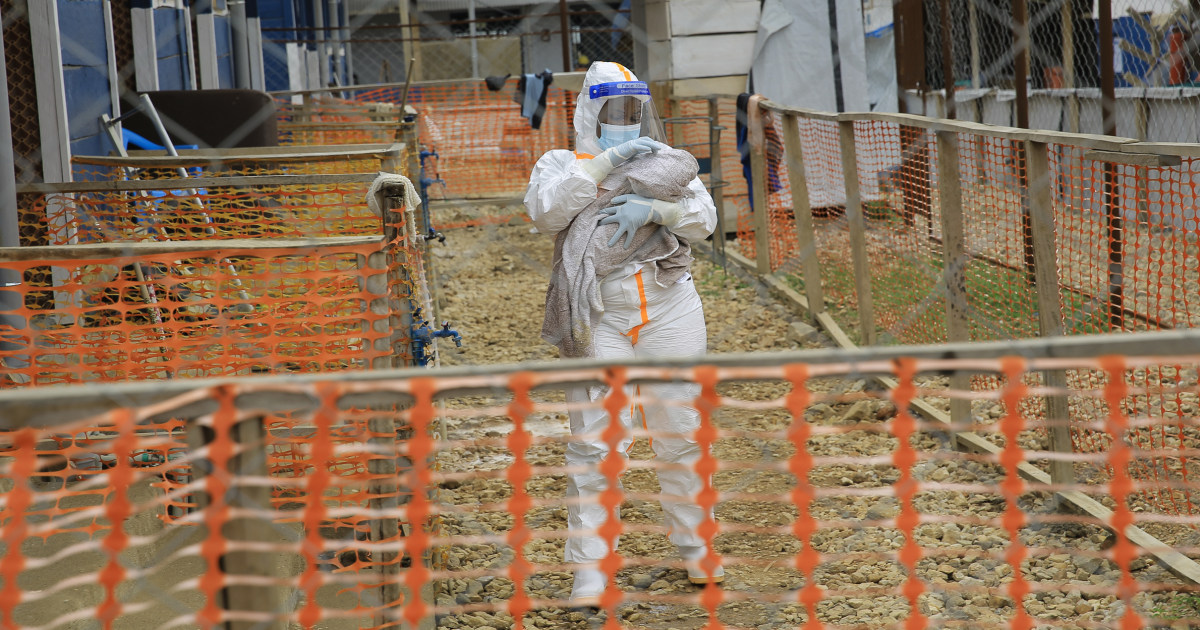
Meanwhile, vaccine development advances alongside clinical care. WHO expert groups recommended adding two experimental vaccines designed specifically for the Bundibugyo virus to the ongoing Tumaini clinical trial in the DRC.
Earlier coverage: DRC Ebola Outbreak Surpasses 10,000 Cases Amid Spread