Saudi Arabia, Pakistan, and Turkiye signed the Mecca Joint Defence Agreement in Mecca, establishing that an armed attack on any of the three nations will be treated as an attack against all. The pact follows nearly a year of negotiations amid escalating regional turmoil and rising military tensions across the Middle East.
Saudi Arabia, Pakistan, and Turkiye formalised a joint defence agreement during a meeting in Mecca, according to a joint statement shared by Pakistan’s Ministry of Foreign Affairs and Saudi state media on Friday. The pact stipulates that any military assault against one member nation will be considered a direct attack on all three signatories, significantly tightening mutual security arrangements across the region.
Diplomatic Timing Following High-Level Visits to Mecca
The announcement arrived immediately after Pakistani Prime Minister Shehbaz Sharif travelled to Saudi Arabia alongside Asim Munir. During their visit, the officials performed the Umrah pilgrimage in Mecca before sealing the pact at Islam’s holiest site, adding profound symbolic weight to an arrangement that builds upon decades of bilateral military cooperation.
Turkish President Recep Tayyip Erdogan also travelled to Saudi Arabia on Friday. Erdogan met directly with Saudi Crown Prince Mohammed bin Salman to finalize discussions that culminated in the landmark security pact after nearly a year of formal negotiations.
Regional Volatility and Pressures on Saudi Infrastructure
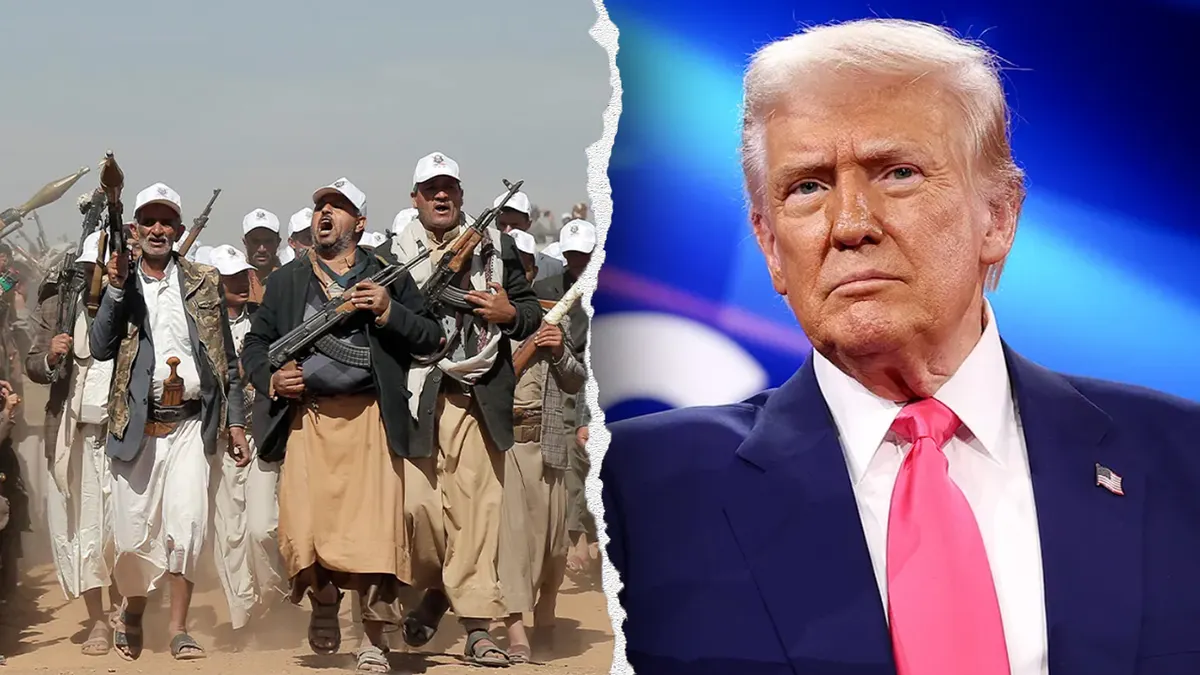
The security pact was forged amid intense military friction in the Middle East following a series of attacks on Saudi Arabia. Since the United States and Israel launched attacks on Iran on February 28, Saudi territory has been struck repeatedly by Iran, Tehran’s Houthi allies in Yemen, and Shia armed groups in Iraq.
These ongoing hostilities have severely imperilled Saudi Arabia’s critical oil exports and ambitious domestic development plans. The sustained security threats have also provoked substantial questions regarding the long-term reliability of the longstanding United States security umbrella.
Strategic Motivations for Turkiye and Pakistan
While both Turkiye and Pakistan have avoided significant direct military strikes, officials in Ankara and Islamabad remain anxious about regional conflicts threatening both their security and economies. Joining forces with Riyadh under a collective defense umbrella signals a joint resolve to insulate their interests against wider fallout.
The joint statement explicitly noted that the new accord reflects the three states’ shared commitment to further strengthening their collective security and to promoting peace, security, and stability in the region and beyond, in pursuit of a secure and prosperous future
.
Deepening Decades of Bilateral Military Ties
The Mecca Joint Defence Agreement capitalizes on a robust history of defense exchanges between the three nations. Pakistan has supplied training and technical assistance to Saudi forces for decades. Meanwhile, Turkiye and Pakistan have exchanged warships and training aircraft.
Bilateral defense industrial ties have also accelerated. In 2023, Riyadh agreed to buy Turkish drones in what Ankara called its largest defence export contract.