Democrats have retaken control of both chambers of Congress after the midterm elections, setting the stage for a renewed legislative clash over national tax policy beginning January 3, 2027.
Wyden Plans to Target Billionaires and Close Loopholes
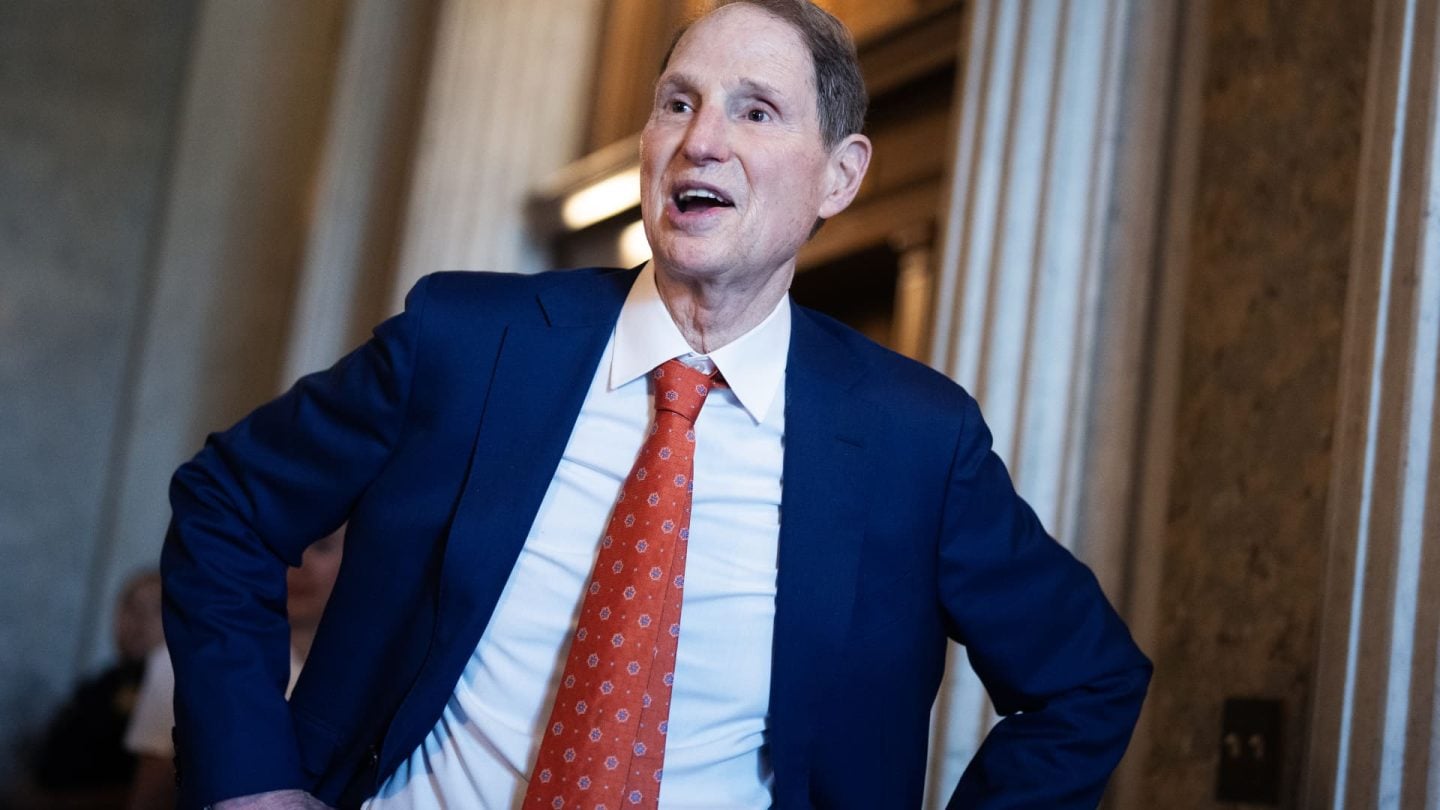
Sen. Ron Wyden, D-Ore., is slated to retake the chairmanship of the Senate Committee on Finance. Wyden has already signaled that his committee will push to ensure billionaires pay higher rates and hold tax cheats accountable.
Among the measures sitting with the committee is the Ending the Carried Interest Loophole Act, which Wyden and Sen. Angus King, I-Maine, introduced in April. The legislation would eliminate preferential tax treatment for certain investment fund profits, taxing them as ordinary income while requiring fund managers to pay tax annually rather than deferring it.
The measure sets a graduated annual tax of 3% on trust assets exceeding $1 billion, starting with assets above $50 million.
We dodged a bullet on this asset seizure tax. With any luck Prop 42 will pass. Builders of tech in California had a good day yesterday: we want abundance and asset seizure is the one guaranteed way to kill the golden goose. Huge thanks to Sergey Brin here. https://t.co/HIznVbS14W
Incoming Democratic senators, including James Talarico and Abdul El-Sayed, have backed the Redistribution Of Billions by Instituting New High-income Obligations on Overlooked Debt Act of 2026.
Veto Hurdles and Strategic Positioning for 2028
While Democrats hold majorities in Congress, President Donald Trump retains veto power, and the party lacks the numbers to override a presidential veto.

The proposals are not necessarily anything that will pass over the next two years. But if there is an administration change two years from now, they do give you an indication of what might be on the table during the next administration,
Justin Miller, partner and national director of wealth planning at Evercore Wealth Management, via CNBC
The Tax Foundation’s Andrew Lautz and Garrett Watson noted that these legislative efforts will serve as signaling and discussion vehicles over the next two years, shaping policy direction ahead of the 2028 presidential election and the expiration of OBBBA tax cuts on December 31, 2028.
California Wealth Tax Ballot Measure Defeat
At the state level, California’s Proposition 40 appeared headed for defeat, receiving 45% approval with 60% of ballots counted. The measure would have imposed a 5% tax on billionaires residing in the state at the beginning of 2026 to fund healthcare, food assistance, and education programs.
The state ballot initiative faced fierce opposition from wealthy tech figures. Google co-founder Sergey Brin contributed $100 million to a $300 million effort titled Building a Better California to defeat the measure.
Builders of tech in California had a good day yesterday: we want abundance and asset seizure is the one guaranteed way to kill the golden goose. Huge thanks to Sergey Brin here.
Garry Tan, Y Combinator, via The Fiscal Times
Rep. Ro Khanna and Sen. Bernie Sanders have advanced the Make Billionaires Pay Their Fair Share Act, which imposes an annual 5% tax on net worth exceeding $1 billion.
Sen. Chris Van Hollen, D-Md., who proposed a graduated income surtax on individuals earning over $1 million, noted that momentum persists. People are recognizing that we have a tax system that allows individuals to accumulate huge amounts of wealth,
Van Hollen said, according to reporting cited by Yahoo Finance and The Fiscal Times.
Democrats Propose Tax Changes to Fund Social Security
Newly empowered Democrats controlling the House and Senate have outlined ambitious revenue and family assistance priorities.
Sen. Van Hollen introduced the Strengthen Social Security by Taxing Dynastic Wealth Act to lower the estate tax exemption threshold to $3.5 million and roll back provisions from the 2017 Tax Cuts and Jobs Act.
Proposals include potential modifications to the Low-Income Housing Tax Credit and the New Markets Tax Credit, although estimates suggest repealing them could raise over $200 billion across a decade.
.@SenBrianSchatz says that if Democrats take the Senate, the party's left wing needs to be strategic about not proposing things "that the president of the United States is guaranteed to veto." "If we want to be more aspirational, if we want to make more bold policy changes…… pic.twitter.com/djqG5xG7OU
Earlier coverage: Sen. Ron Wyden Targets Billionaires in Tax Push