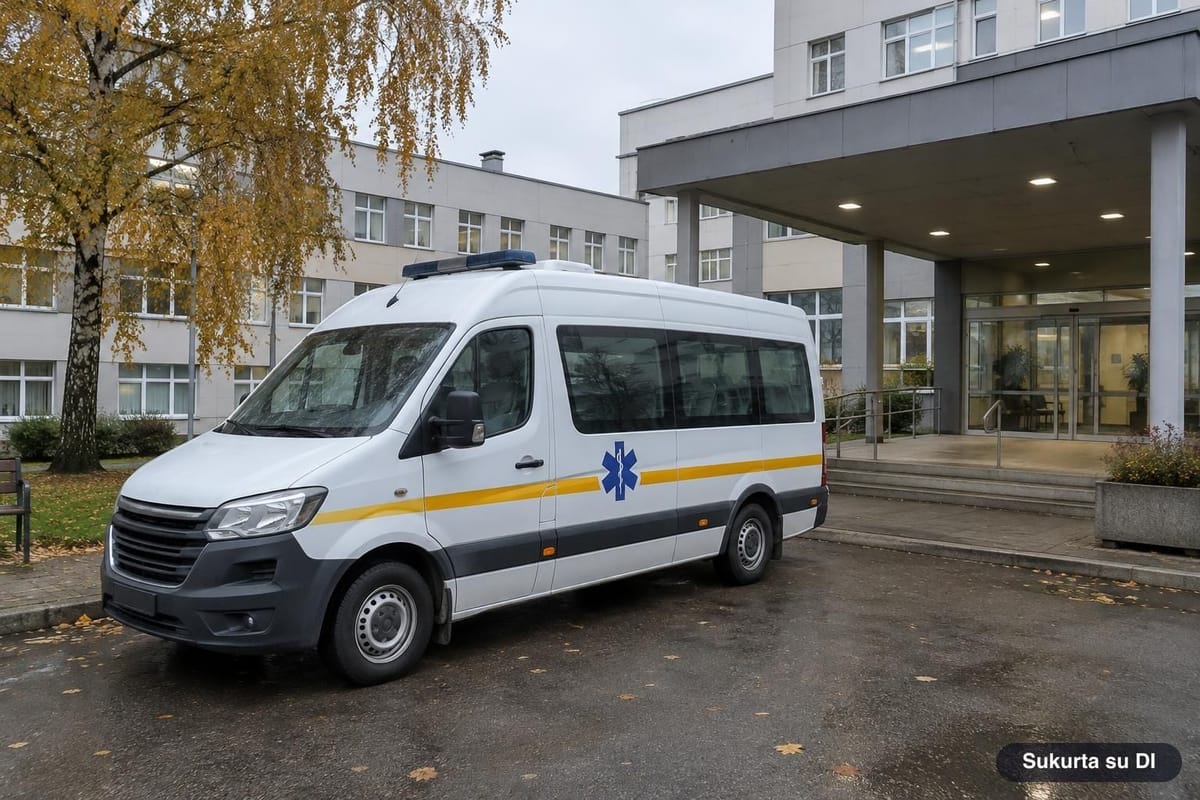
A recent review by the Special Investigation Service uncovered regulatory loopholes in Lithuania that allowed opaque provider selection, uneven order distribution, and state-funded payments for economically unjustified expenses in non-emergency patient transport.
The transparency assessment examined how patient transit services are managed across the country. According to findings highlighted by the Special Investigation Service, the lack of clear rules for choosing transport providers left decisions to the discretion of administrative personnel. Officials found no objective criteria defining when the Ambulance Service should operate a trip internally versus hiring external partners, nor was there a mandate to prioritize the closest or most cost-effective provider.
Mindaugas Guščius, head of the Corruption Prevention Board at the Special Investigation Service, as reported by Delfi, noted that the legal framework permitted unfair practices, pointing out that a 1.1-kilometer trip in Vilnius cost the state more than 200 euros.
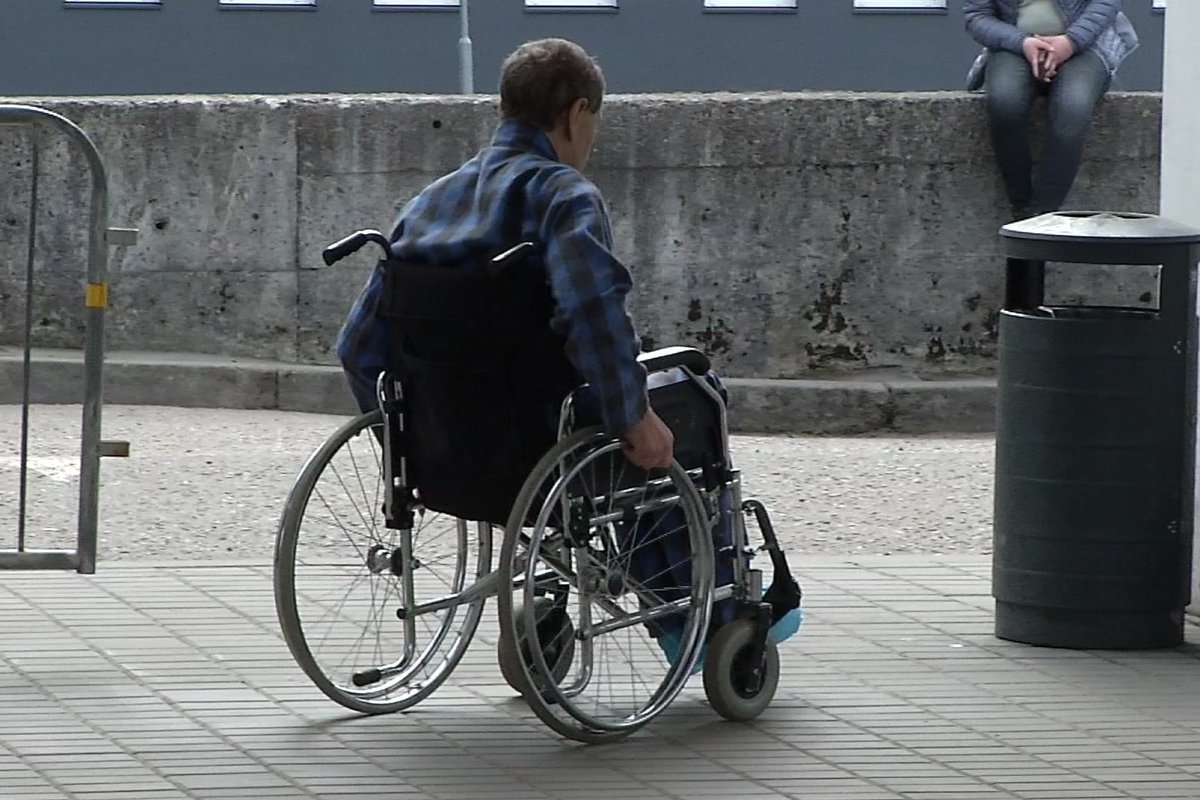
State auditors highlighted extreme examples of high costs resulting from these administrative gaps. In one instance detailed during financial auditing reviews, a patient requiring a 1.1-kilometer journey in Vilnius triggered a dispatch from Elektrėnų, resulting in a 72.1-kilometer total trip costing 259.20 euros.
In a separate case involving a route from Palanga to Mažeikiai, a vehicle dispatched from Elektrėnų ran a 670-kilometer total distance that cost the state over 1,300 euros, specifically totaling 1,355 euros, with Laura Grigonytė noting a distinct pattern originating from Elektrėnų during the audits.
According to the Ministry of Health definition, the service is intended to help patients reach or return from medical facilities when they cannot travel independently due to health conditions, age, or social reasons. The Special Investigation Service proposed establishing objective order distribution criteria, ensuring competitive supplier selection, strengthening financial controls, and implementing a mechanism to recover improperly used funds.
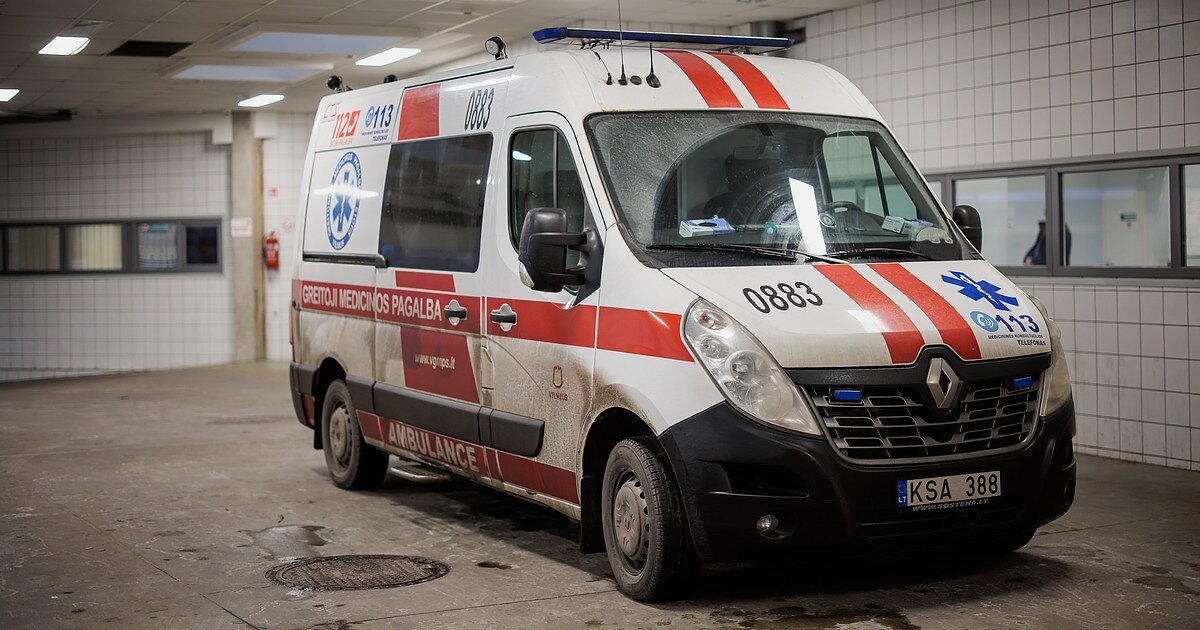
Representatives for the Ambulance Service maintain that the regulatory gaps have already been closed. Viktorija Buzytė from the Ministry of Health similarly noted that the service experienced supplier shortages at the time, leading to companies winning nationwide tenders but proving unable to fulfill the commitments.
Under the revised framework, external providers from neighboring municipalities may only be deployed in exceptional circumstances. Transport contractors generally operate within a 40-kilometer radius, eliminating long-distance cross-country dispatches. Additional measures introduced by the end of last year include a dynamic procurement system to increase supplier competition and speed up local contractor agreements, applied penalties for non-compliant suppliers, and revised pricing structures.
While investigators argue that legislative vulnerabilities remain unaddressed in current regulations, the Ministry of Health has a two-month window to review the oversight findings and determine what further adjustments are needed. Viktorija Buzytė acknowledged that the ministry is actively updating its orders to reduce risks, while Tomas Bagdonas plans to sit down with ministry colleagues during the two-month period to see what else can be improved.