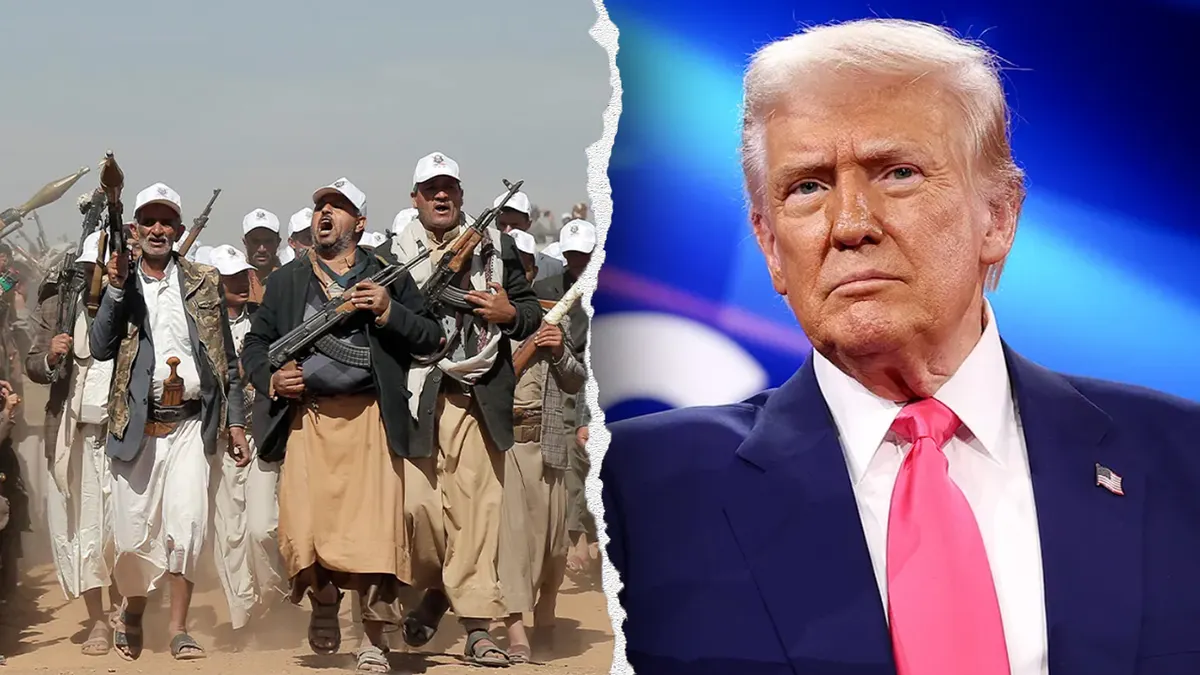
President Donald Trump declared that negotiations with Iran are underway as a final opportunity to reach an agreement and avert a major military strike, though Tehran flatly denied holding any talks with Washington. Meanwhile, maritime security incidents escalated in the strategic Strait of Hormuz amid shifting regional oil routes.
The diplomatic standoff deepened as conflicting accounts emerged over whether direct discussions had actually begun. Trump told reporters at the White House that the talks are going on right now, and this is a last chance for them to sign a good document, insisting that the negotiations were initiated at the request of Tehran and backed by regional partners including Saudi Arabia, the United Arab Emirates, and Qatar.
That assertion met an immediate and absolute rejection from Iranian officials. Ismail Baghaei, spokesperson for the Iranian Ministry of Foreign Affairs, dismissed the claim of U.S. talks entirely, accusing Washington of violating all commitments when a previous ceasefire collapsed in June.
Disputed Channels: Tehran Points to Oman While Washington Demands Open Waterways
While the White House pointed to high-stakes diplomacy intended to secure freedom of navigation, Iranian authorities maintained that their only active channel runs through Muscat. Baghaei clarified in a press briefing that Iran’s diplomatic engagement is strictly limited to negotiations with Oman aimed at securing passage through the Strait of Hormuz.
According to reports from Iranian state media, those discussions involve establishing a new single transit route with separate inbound and outbound lanes through the vital waterway. The diplomatic maneuvering comes on the heels of a dramatic weekend pivot, during which the U.S. president announced the cancellation of a planned military strike against Iran, citing requests from Iran and other countries in the Middle East.
We are not currently negotiating with the United States. Our negotiations are with Oman to secure a passage through the Strait of Hormuz. Ismail Baghaei, Iranian Foreign Ministry Spokesperson, via BBC
Trump later characterized the diplomatic track as an ultimatum, demanding the complete reopening of the Strait of Hormuz while asserting that the United States would reject any Iranian imposition of transit fees on passing vessels.
Maritime Incidents and Economic Pressures Across the Region
Even as diplomatic messages crossed, physical security in regional trade corridors remained volatile. The United Kingdom Maritime Trade Operations reported that an unconfirmed cargo ship issued a distress call on VHF channel 16 after being struck by an unknown projectile approximately 23 miles northeast of Khasab, Oman, on the southern side of the Strait of Hormuz.
The incident underscores ongoing shipping vulnerabilities that extend well beyond the Persian Gulf. In the Red Sea, safety concerns prompted at least six Saudi-operated oil tankers to reroute entirely around the African continent, adding a minimum of two weeks to their voyage times in order to bypass potential attacks by Houthi forces backed by Tehran.
Economic ripples followed the rapid shifts in military posture. Global oil markets experienced a downward correction as news of the canceled U.S. strikes circulated, though observers noted that broader energy logistics remained heavily strained by the ongoing conflict.
Diplomatic Alignment and Regional Outreach
Tehran’s diplomatic efforts extended beyond its immediate neighbors through a series of high-level contacts designed to shore up regional stability. Iranian Foreign Minister Abbas Araghchi engaged in rapid consultations within a 24-hour window, holding direct talks with Saudi Foreign Minister Prince Faisal bin Faisal and Pakistan’s army chief, General Asim Munir, to discuss diplomatic initiatives aimed at preserving security in Western Asia.
Meanwhile, parallel international pressures continued on separate fronts. While Washington pushed for a breakthrough on maritime access, regional mediators coordinating with the Peace Council engaged with Israeli officials regarding ongoing military operations in Gaza, where a government representative reaffirmed that operations would continue against perceived security threats.
The Unresolved Timeline and Next Steps
Trump acknowledged that no strict deadline binds the diplomatic process, pointing out that he is not driven by electoral timelines given his current term status.