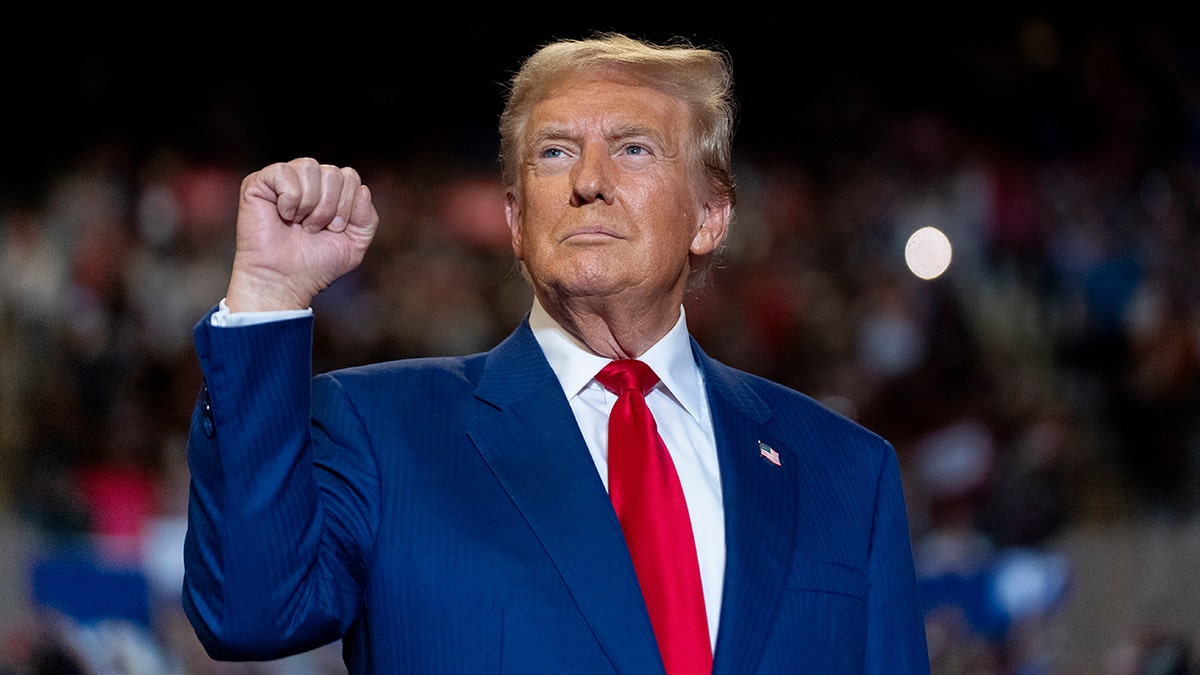
President Donald Trump initiated a sweeping trade war with Canada on February 1, 2025, imposing a 25% tariff on most imports and a 10% tariff on Canadian energy. The conflict disrupted cross-border cooperation, sparked billions in retaliatory duties, and forced industries to adapt to sudden supply chain turmoil.
Tariffs, Retaliation, and North American Trade Disruptions
The trade war began on February 1, 2025, when U.S. President Donald Trump signed orders implementing near-universal tariffs on goods entering the United States from Canada and Mexico, according to Wikipedia. The initial policy levied a 25 percent tariff on most Canadian imports while taxing Canadian energy products at 10 percent. Canada reacted swiftly with retaliatory duties on $30 billion worth of American goods, which escalated to $155 billion after three weeks, according to Wikipedia’s timeline.
Canada and the United States share one of the world’s largest bilateral trade relationships. In 2023, total traded goods and services reached $923 billion, with Canada buying more from American businesses than the United Kingdom, France, China, and Japan combined, according to Wikipedia. U.S. Bureau of Economic Analysis data cited in a Congressional Research Service report show that in 2023, Canada was the largest U.S. trading partner, with $482 billion in imports and $441 billion in exports, creating a $41 billion shortfall.
The USMCA Exemption and Supply Chain Realities
Following initial escalations, the conflict shifted as political leaders negotiated delays and exemptions. U.S. tariffs officially took effect on March 4, 2025, alongside simultaneous Canadian retaliatory measures, while Mexico delayed its own response, according to Wikipedia. On March 6, Trump exempted goods compliant with the United States–Mexico–Canada Agreement from the tariffs.
Because of the USMCA exemption, over 85 percent of Canada-U.S. trade and 84 percent of Mexico-U.S. trade remained tariff-free as of August 2025. Economists note that the broader trade conflict still upended supply chains, introduced market volatility, and increased consumer prices across all three nations, straining diplomatic ties and forcing businesses to navigate new economic realities.
Supreme Court Intervention and 2026 Global Tariff Shifts
In early 2026, the legal landscape of the trade war shifted dramatically. The Supreme Court of the United States struck down several sweeping emergency tariffs that the Trump administration had imposed under the International Emergency Economic Powers Act in Learning Resources, Inc. v. Trump.
.jpg "Supreme Court Intervention and 2026 Global Tariff Shifts")
The ruling prompted President Trump to announce a new temporary 10 percent global tariff. This measure largely exempts CUSMA-compliant Canadian and Mexican goods, though sector-specific and other trade restrictions remain in place, according to Wikipedia’s tracking of the timeline.
Broader Economic Strategies and Long-Term Uncertainty
Trump’s broader economic strategy centers on utilizing tariffs to fund proposed tax cuts, incentivize domestic manufacturing, and force neighboring countries to tighten border security against illegal immigration and fentanyl smuggling. Canadian officials, including former Prime Minister Justin Trudeau and his successor Mark Carney, have consistently called the U.S. tariffs unjustified and violative of the USMCA.
Despite temporary exemptions and ongoing negotiations, companies on both sides of the border continue to face operational uncertainty. TD Bank economists previously noted that reducing Canadian imports would barely move the needle
on American trade deficits, which stood at $45 billion with Canada in 2024. As legal battles and negotiations proceed, the long-term stability of cross-border economic cooperation remains unresolved.
As legal battles and negotiations proceed, policymakers must ultimately determine whether these restrictive measures will permanently alter the integrated supply chains that have long sustained both nations.


