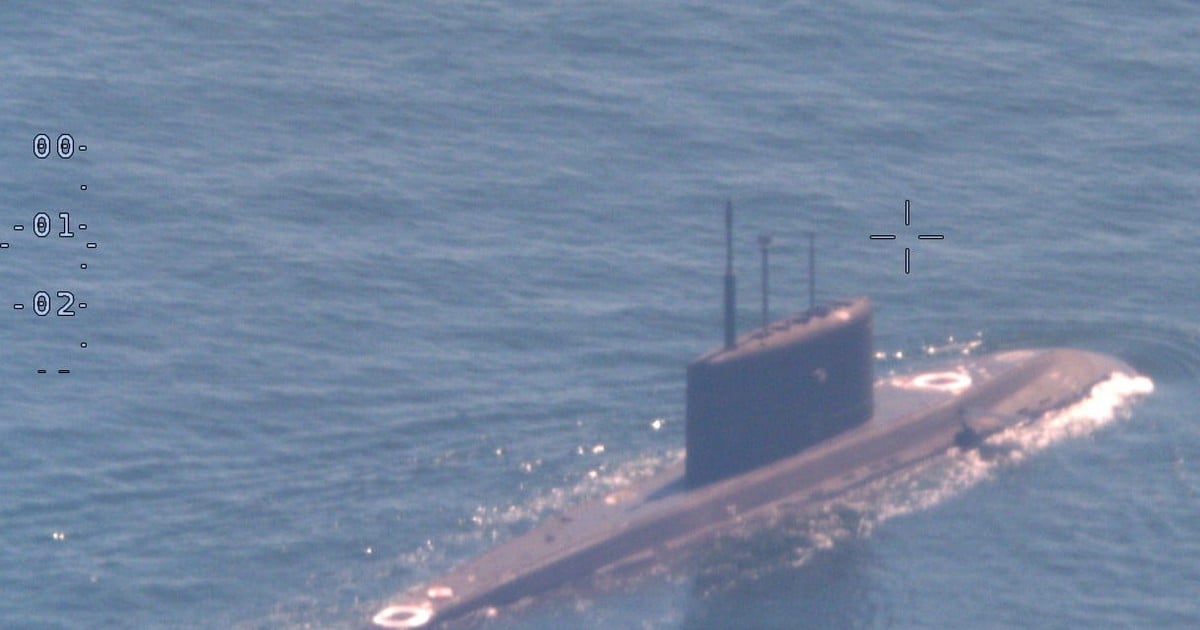
The United Kingdom has launched the Atlantic Net initiative, committing £90 million to deploy maritime drones, advanced sensors, and artificial intelligence across the North Atlantic to track Russian submarines and protect critical undersea infrastructure.
A primary focus for the Atlantic Net network is monitoring the Greenland-Iceland-UK gap, a maritime corridor where Russian Northern Fleet submarines operate. The network brings together underwater sensing, communications, remote operations, and data services under Royal Navy direction.
British defence officials said that Russian naval movements around the UK increased by 41% in the first nine months of the year. “No single Western European nation can credibly defend itself,” Guntram Wolff, a senior fellow at the European think tank Bruegel, told Al Jazeera, and Luke Pollard, the minister for defence readiness, said the uptick justified the new defensive measures.
Pollard said Russian vessels such as the spy ship Yantar operated near UK waters to map undersea cables and examine critical national infrastructure, alongside Russian frigates active in the North Sea and the Channel throughout 2026.
Britain’s Chief of the Defence Staff, Air Chief Marshal Sir Richard Knighton, told the Financial Times that the climate is the most dangerous period he has known in his adult life.

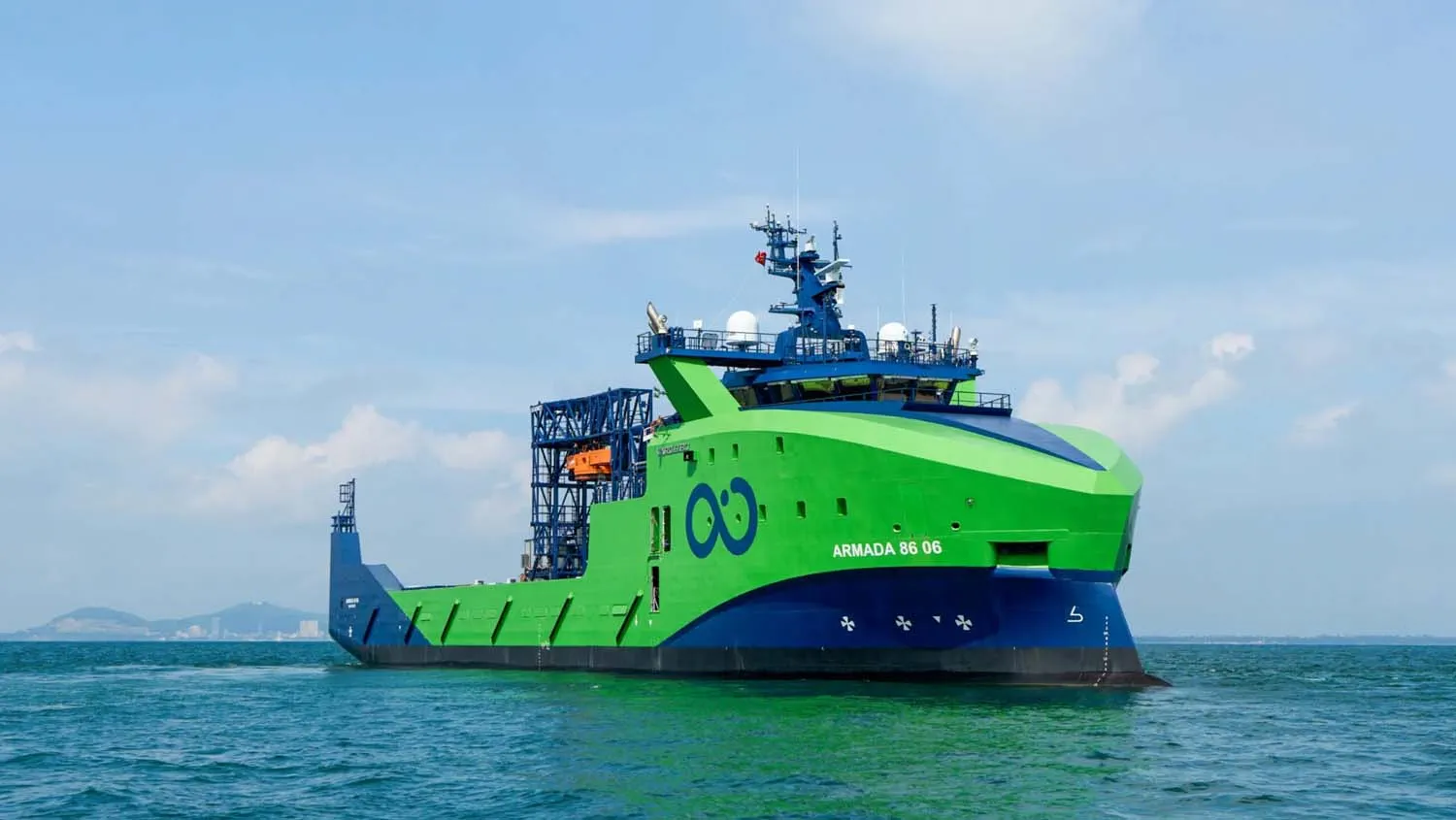
An agreement with Southampton-based company Ocean Infinity Solutions underpins the technological upgrade. The partnership will support almost 200 skilled new jobs within the firm and its immediate supply chain.
The company’s fleet of remotely controlled survey vessels, including its 78-meter and 86-meter Armada ships designed for lean crews and unmanned underwater vehicles, has participated in pre-qualifying trials for the Royal Navy.
Protecting vulnerable communications cables and energy networks from sabotage or espionage took on urgency following an operation in April 2026. British, US, and Norwegian forces tracked and disrupted three Russian submarines testing technology designed to disable communication cables without leaving evidence.
Naval vessels have also protected shipping routes across waters linking Europe, North America, and Africa.
We see you, we see your activity over our cables and pipelines.
John Healey, British Defence Secretary
Naval chiefs from 10 northern European nations signed the Northern Navies Initiative agreement aboard the British aircraft carrier HMS Prince of Wales. The signatories—comprising the UK, Denmark, Estonia, Finland, Iceland, Latvia, Lithuania, the Netherlands, Norway, and Sweden—committed to operating alike and training to common standards under the Joint Expeditionary Force framework, which formed following the 2014 NATO summit in Wales.
First Sea Lord General Sir Gwyn Jenkins said that the arrangement ensures regional forces can transition smoothly into NATO command if mobilization becomes necessary. The first operational capabilities for Atlantic Net are scheduled to launch in 2027.
The threats we face are multiplying and that we must rise to the challenge before us.
General Sir Gwyn Jenkins, First Sea Lord