British Prime Minister Andy Burnham stated he is prepared to publicly disagree with U.S. Following his accession on July 20, 2026, Burnham also ruled out a snap general election before 2029 and addressed domestic cost-of-living measures and defence spending targets during a BBC interview.
Defending National Interests and Relations With Washington
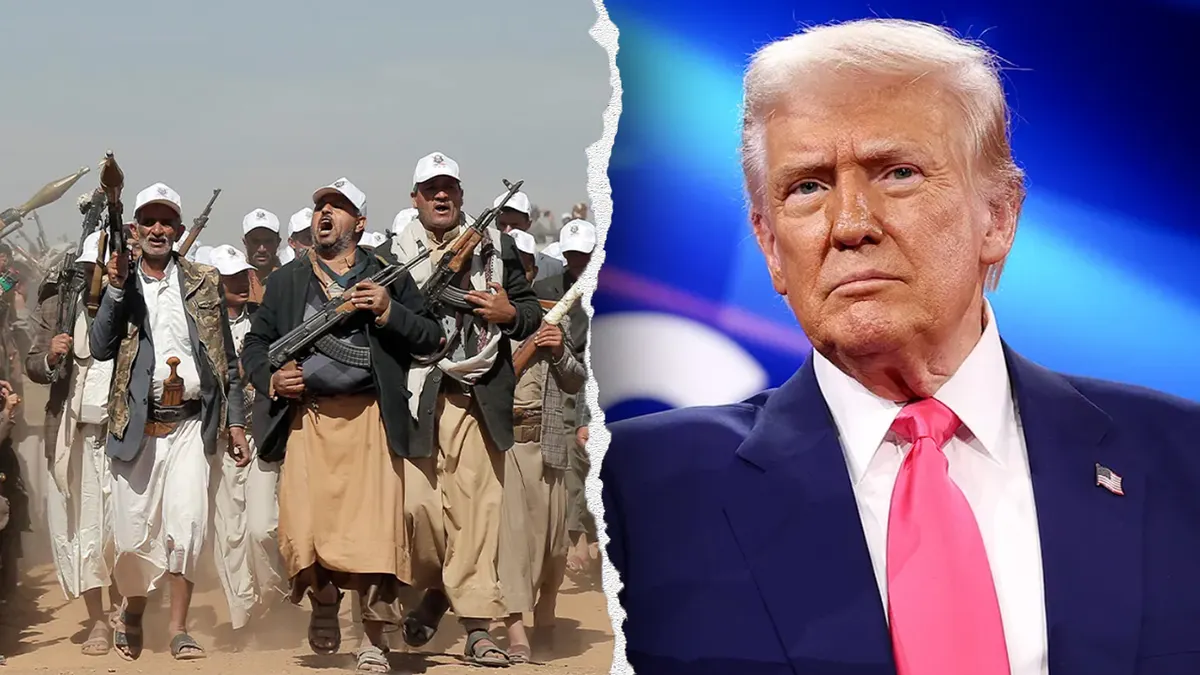
UK Prime Minister Andy Burnham stated he is prepared to call out Donald Trump whenever doing so serves Britain’s priorities. Following a telephone conversation described by Downing Street as extremely warm, Burnham emphasized that leaders must prioritize their own countries above all else, noting that his predecessor Keir Starmer had a fraught relationship with the U.S. administration over immigration, energy, tech regulation, and differing views on the U.S.-Israeli war on Iran.
Asked during a BBC interview with journalist Laura Kuenssberg whether he would publicly challenge the American president, Burnham was unequivocal. You have to defend your own national interest before anything else. That's what you're required to do if you're to do this job properly,
he told the BBC, adding that his strength is remaining close to people and that he would always put Britain’s interests first.

When asked if he trusts the U.S. leader, Burnham avoided giving a direct answer, stating that it is a changing world and you just obviously have to call things as they develop.
He noted that he always treats people as he find them and that he found Trump to be really warm on Monday, mentioning that Trump posted on social media that Burnham has got a big job ahead of him, but he will be able to do it
and that the U.S. will be there to help
.
“I can’t at any point say that I won’t take a different opinion from him, that I will need to voice a different idea that is right for Britain.”
Andy Burnham, Prime Minister, via BBC
Ruling Out an Early General Election Before 2029
Addressing domestic political stability, the new Prime Minister dismissed speculation about a snap vote. Burnham dismissed speculation regarding an early general election before 2029, stating that he was going to rule it out
because I don't think people want it
and there's no early general election.
Instead of pursuing a quick return to the polls, Burnham asserted his commitment to remaining close to the public. He assumed office at Buckingham Palace after meeting with King Charles III on July 20, 2026, becoming Britain’s seventh prime minister in a decade after taking over from Keir Starmer, who announced he was stepping down the previous month.
Cost of Living Relief and Business Support Measures
Alongside high-level foreign policy positioning, Burnham’s administration navigated immediate economic questions and foreign concerns, including expressing concern about the president starting the conflict with Iran. Burnham stated that he wouldn't hold back from saying what I think is right
regarding the initiation of that conflict.

Navigating NATO Commitments and Defence Spending Targets
While London has pledged to spend 3.5% of GDP on defence by 2035 in line with a new NATO target, Burnham did not commit to a specific 2030 target date during the interview. That hesitation follows the previous government’s trajectory where his newly appointed chancellor, John Healey, resigned from the previous government after saying that unless a commitment was made to spend 3% of GDP on defence by 2030, the country would not be safe. Burnham noted that he appointed his new chancellor very aware of what he had said about the critical importance of defence spending
, while Defence Secretary Wes Streeting addressed timetables when asked on Sunday.
“The first challenge facing us both is to ensure that the defence investment plan is fully funded and that’s the thing that’s right in front of us and we need to work that through as we go towards the budget later this year.”
Andy Burnham, Prime Minister, via BBC
Opposition Response and Upcoming Broadcast
Responding to the Prime Minister’s remarks on dealing with the White House, Shadow Home Secretary Chris Philp stated: Clearly, the US is a long standing ally. We need to have good relations with them but if they do something we disagree with, we should honestly say so.

The first major interview given by Burnham since taking office featured parts released on Sunday through the BBC’s Sunday with Laura Kuenssberg programme, detailing how these early diplomatic positions will shape his administration moving forward.