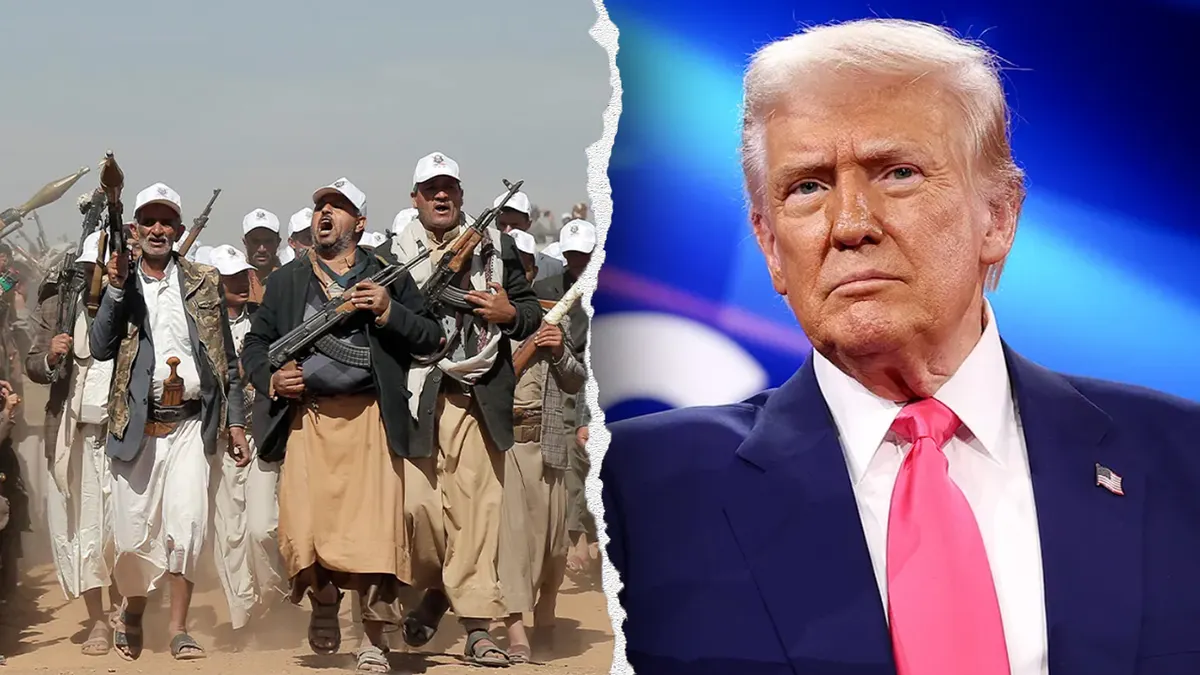
The lull follows two weeks of daily attacks and comes as both nations engage in back-channel talks regarding the security and management of the Strait of Hormuz.
The sudden silence in the skies over the Middle East marks a sharp pivot from the last 13 days, during which U.S. forces conducted daily strikes to degrade Iran’s ability to threaten commercial shipping. That escalation had effectively shredded a ceasefire memorandum of understanding signed in June, leading to a cycle of tit-for-tat violence that killed four American soldiers and dozens of people in Iran, according to the Iranian health ministry.
Back-Channel Diplomacy and the Omani Connection
The pause isn’t just a military decision; it’s a calculated diplomatic gamble. President Trump told reporters at the White House that serious talks
are underway and expressed a willingness to listen to Iranian proposals. This diplomatic push appears closely tied to Omani mediation. According to reporting from Axios, the halt to airstrikes was ordered just hours after an Omani delegation arrived in Tehran.
In Tehran, the movement is tangible. Iranian foreign ministry spokesman Esmail Baghaei confirmed that Iran and Oman held several rounds of technical, deputy foreign minister-level talks on Friday and Saturday. These sessions focused on the operational arrangements for safe vessel passage through the Strait of Hormuz, which Baghaei described as very productive
with meaningful progress
.
The Air-Defense Stockpile Contradiction
While the White House frames the pause as a diplomatic gesture, a different narrative is emerging regarding military readiness. Analysts cited by The Herald Business suggest the lull may be a tactical necessity driven by a shortage of air-defense missiles, depleted by the effort to intercept Iranian ballistic missiles and drones. This suggests the diplomatic room might actually be a window for the U.S. to replenish its inventories.
Ambassador Mike Waltz has aggressively pushed back against this interpretation. Speaking to NBC, Waltz rejected reports from the New York Times that air defense stockpiles were diminished, insisting that the U.S. military has everything it needs to carry out the campaign with the necessary level of effectiveness.
Oil Markets and the $100 Barrel Threshold
The volatility of the conflict has translated directly into energy price swings. Last week, the threat to the Strait of Hormuz—a critical artery for liquid natural gas and oil—pushed oil prices to $100 a barrel for the first time since May.
The market reacted almost instantly to the three-day lull. By Monday morning, prices dropped sharply, falling below $90 per barrel. This price correction underscores how tightly global energy stability is tethered to the immediate tactical decisions of the Trump administration and Tehran.
Strategic Deadlocks in the Strait of Hormuz
Despite the current calm, the core dispute remains unresolved. Iran is pursuing an arrangement with Oman to impose transit fees on passing vessels in the strait. This creates a fundamental clash of interests: Tehran seeks a revenue-generating control mechanism, while the Trump administration demands entirely free passage through international waterways.
The fragility of the current truce is evident in the rhetoric from both sides. Iranian military spokesperson Mohammad Akraminia noted that Tehran suspended retaliatory operations only because the U.S. had stopped its strikes. Meanwhile, Waltz warned the Iranian regime to believe the president when he says they are locked and loaded
.
The Netanyahu Factor and Tuesday’s White House Meeting
The trajectory of the war now hinges on a critical meeting scheduled for Tuesday at the White House between President Trump and Israeli Prime Minister Benjamin Netanyahu. Netanyahu’s position remains hardline; in a Fox News interview, he argued that the war only ends when the Iranian regime is sufficiently weakened to realize on its own that it must stop its nuclear program.

While Netanyahu stated he is fine
with the pause if it leads to a peace agreement without intense military conflict, his focus on the nuclear program represents a significant gap in the current back-channel talks, which have focused primarily on maritime shipping.
As the conflict nears its fifth month, domestic pressure is mounting. A CBS/YouGov poll indicates 57% of Americans are frustrated with the war, with only 19% feeling optimistic. With additional military assets still moving into the region, the “space” given to diplomacy may be shorter than the markets currently assume.