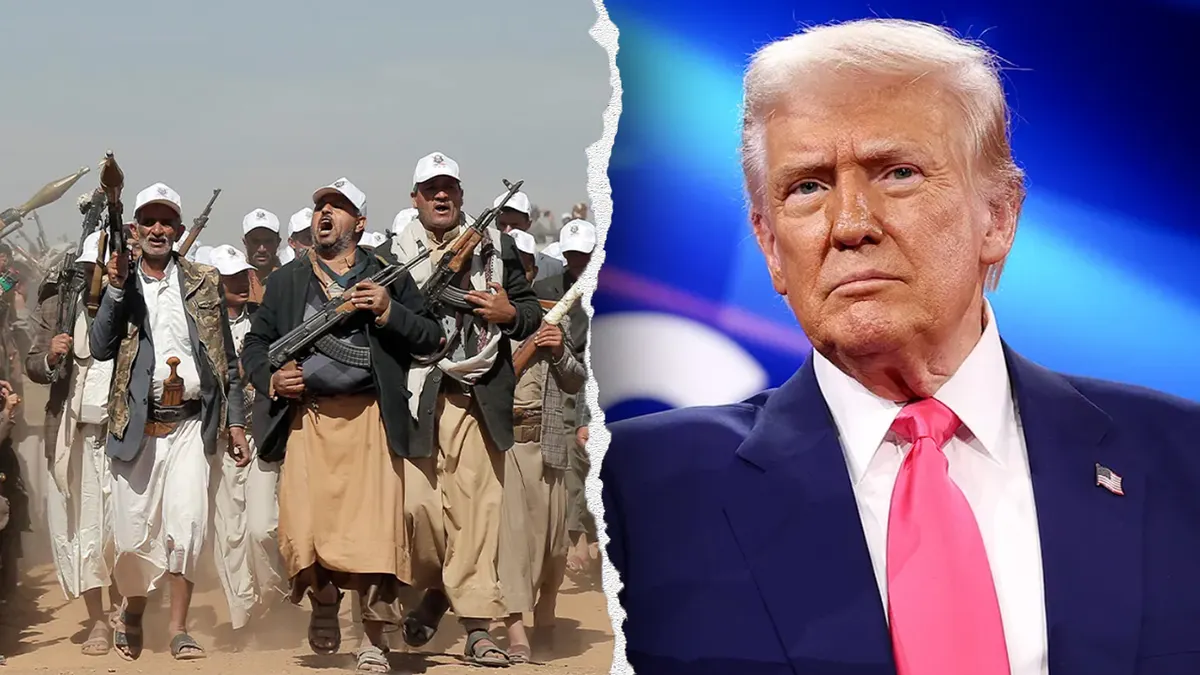
President Donald Trump has paused attacks on Iran for the second night in a row, according to the U.S. ambassador to the United Nations, to allow diplomacy room to work after nearly two weeks of escalating airstrikes and regional skirmishes that followed the unraveling of a June ceasefire.
Diplomatic Space and the Weekend Lull in Washington
U.S. President Donald Trump has paused attacks on Iran for the second night in a row to give diplomacy more time, according to U.S. Ambassador to the United Nations Mike Waltz.
The Pentagon paused bombing operations following 13 nights of escalating strikes, bringing a weekend lull to the conflict. A senior administration official confirmed on Saturday that while the president has always been clear that his preference is diplomacy, he has simultaneously demonstrated to Tehran what the consequences are if officials fail to engage seriously at the negotiating table.
When asked whether the administration had permanently ruled out further escalation, Waltz rejected that interpretation during an appearance on NBC, emphasizing that The president is keeping all options on the table. He also pushed back on recent media reports suggesting that military campaigns might strain diminished U.S. air defense stockpiles, asserting that the armed forces possess everything necessary to sustain the operation.
Tehran Responds and Strait of Hormuz Negotiations
Across the region, the diplomatic pause met with a reciprocal signal from Iranian authorities. An Iranian army spokesperson announced that Tehran had halted “retaliatory” attacks in the region in response, marking a momentary cooling off from the relentless tit-for-tat violence.
The current de-escalation effort builds on technical talks held in Tehran on Friday and Saturday. Iranian foreign ministry spokesman Esmail Baghaei noted that Iran and Oman conducted several rounds of technical talks in Tehran centered on the management of the Strait of Hormuz. Control over the vital waterway remains a central dispute and a critical barrier to permanently ending the war.
Both nations originally signed a memorandum of understanding in June aiming to halt military operations, reopen the strait, and negotiate a comprehensive peace pact within 60 days. That fragile arrangement collapsed on July 13 after Iranian forces attacked tankers in the Strait of Hormuz, prompting the United States to reinstate its naval blockade on Iranian ports and resume airstrikes.
Global Energy Markets and International Alignment
The renewed hostilities have immediately rippled through international energy markets. Earlier in the week, oil prices hit $100 a barrel for the first time since May, driven by acute investor anxiety over potential disruptions to global supplies of crude and liquefied natural gas.
In the United Kingdom, new Defence Secretary Wes Streeting emphasized close coordination with Washington regarding maritime security. Streeting announced he would meet with his American counterpart, Pete Hegseth, to discuss safeguarding commercial shipping through the vital Middle Eastern corridor.
Secretary Wes Streeting stated via the BBC that when it comes to securing maritime freedom and free commercial shipping in the Strait of Hormuz, that is where they are absolutely aligned.
Domestic Sentiment and Public Opinion in the United States
As the war nears its fifth month, public support inside the United States remains low. Thousands of casualties have been recorded across the Middle East since fighting broke out in February, with official figures indicating the vast majority of fatalities occurred in Iran and Lebanon.
Domestic polling reflects widespread war fatigue among American citizens. A CBS/YouGov survey indicates that 57% of Americans are frustrated about the conflict, while only 19% express optimism regarding its trajectory.
Upcoming High-Level Meetings and Unresolved Pressures
While President Trump has not addressed the public directly regarding the latest diplomatic pause, he shared computer-generated imagery on his Truth Social account depicting U.S. warplanes targeting Iranian vessels and Kharg Island.
The fragile diplomatic opening faces an immediate test this week. President Trump is scheduled to meet with Israeli Prime Minister Benjamin Netanyahu at the White House on Tuesday, a high-level discussion that will likely shape the next phase of policy toward Tehran.