CVS Health announced plans on November 4, 2026, to split into two separate publicly traded companies by the first half of 2028, unwinding its 2018 acquisition of Aetna and separating its retail drugstore chain from its insurance and pharmacy-benefit operations.
The Structure of the CVS Breakup Plan
The planned separation divides the healthcare giant into two distinct public entities. One company, which will retain the CVS Health name in the interim, will house the Aetna health insurer, the Caremark pharmacy benefit manager, specialty pharmacy operations, Oak Street Health primary care clinics, and Signify Health in-home care services, as reported by the Hartford Business Journal.
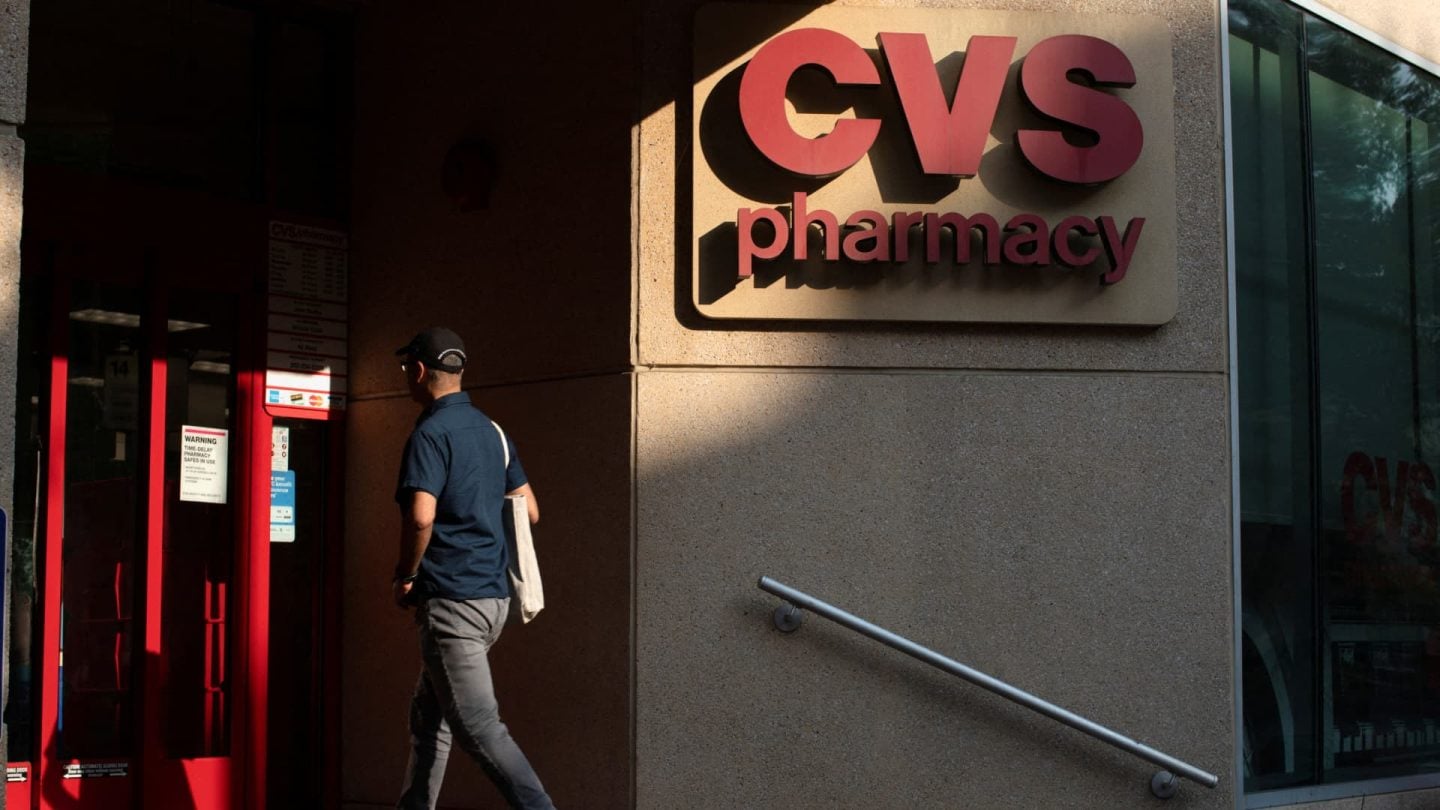
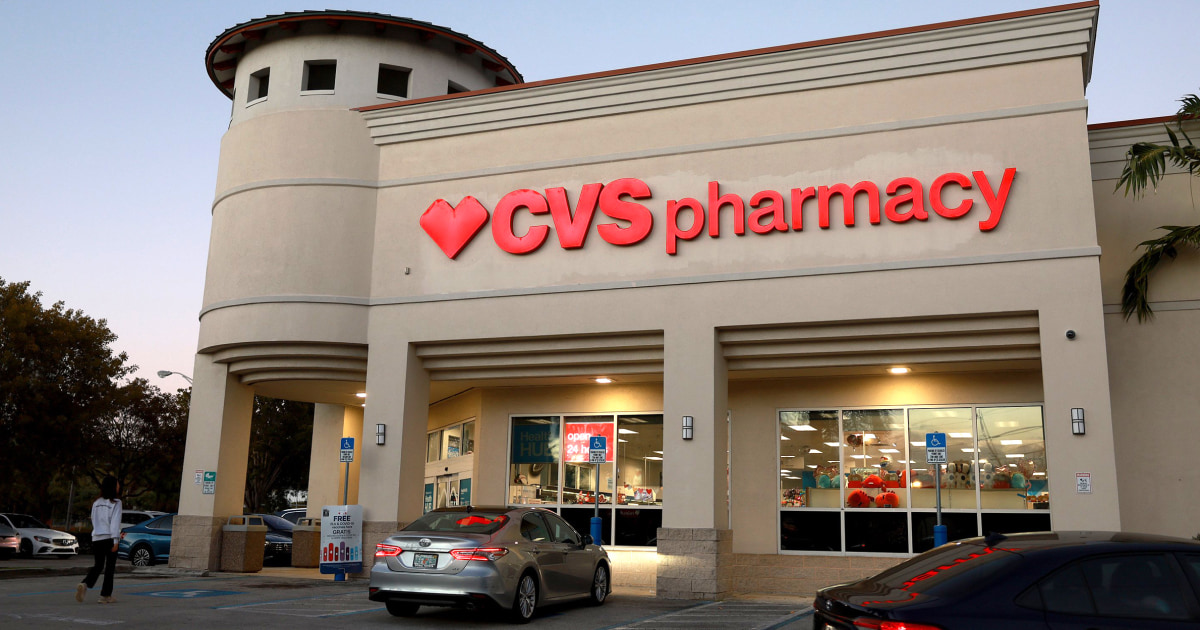
The second company, named CVS Pharmacy, will operate roughly 9,000 retail drugstores, mail-order prescription services, in-store MinuteClinics, and the Health100 technology services business, according to CNBC. Existing shareholders will receive shares in both resulting companies upon completion of the transaction.
Prem Shah will become the chief executive officer of CVS Pharmacy. David Joyner will hold the position of chairman and chief executive officer of the healthcare solutions company. Steve Nelson serves as president of Aetna. The pharmacy business raked in $37.66 billion in 2025 sales, while the insurance unit booked $36.29 billion in revenue and the healthcare services segment generated $51.24 billion.
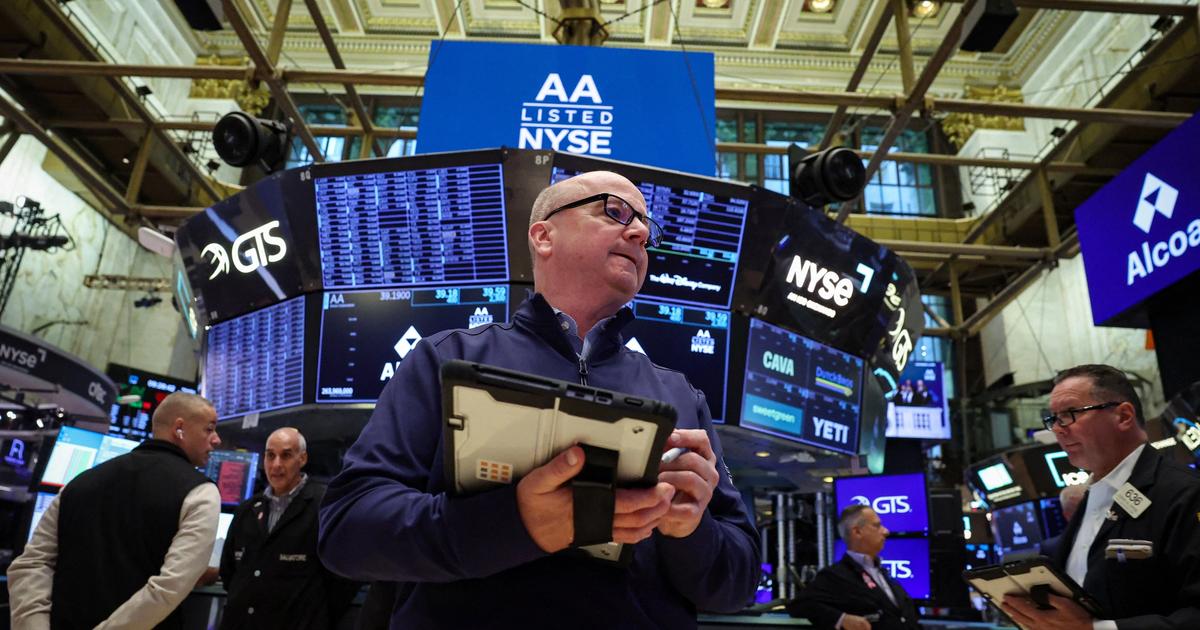
Why Is CVS Health ($CVS) Stock Down -11.17% Today? CVS shares fell 11.17% to $81.20, down from the prior session's close of $91.41. The primary catalyst was the company's announcement that it will split into two independent, publicly traded companies by the first half of 2028.…
Earnings Beat Projections as Stock Drops
The breakup announcement coincided with third-quarter earnings that surpassed Wall Street projections. Total sales climbed to $108.40 billion from $102.87 billion in the prior-year period, while adjusted earnings per share reached $2.09, beating the $1.65 consensus estimate compiled by LSEG, as detailed by NBC News. The company also raised its full-year 2026 adjusted earnings per share forecast.
Despite the earnings beat, CVS stock dropped 12% in early trading. Analysts pointed to deal-related uncertainty, corporate stand-up costs, and the sudden reversal of the conglomerate strategy.
A potential retail pharmacy spin feels like a complete shock,
Michael Cherny, analyst at Leerink Partners
Lawmakers Scrutinize Integrated Healthcare Conglomerates
The breakup comes amid growing scrutiny from lawmakers and regulators regarding vertically integrated healthcare conglomerates. Critics have argued that companies controlling insurance, pharmacy benefits, and retail stores can limit competition and inflate medical costs. State-level legislation in Arkansas and Tennessee has sought to ban co-ownership of pharmacy benefit managers and retail pharmacies, though CVS and other industry participants have challenged those measures in court.
While David Joyner characterized the separation as a strategic step to improve consumer engagement and operational focus rather than a direct reaction to regulatory pressure, analysts note that the split could alleviate antitrust concerns and remove friction in commercial negotiations.
Our history is defined by proactively evolving to stay ahead of what’s next in healthcare, and in today’s environment, that means delivering more affordability, greater access and a simpler experience,
David Joyner, chairman and CEO of CVS Health
Goldman Sachs and Consello are serving as financial and strategic advisors for the transaction, with Wachtell, Lipton, Rosen & Katz acting as legal counsel.
More on David Joyner
CVS HEALTH $CVS — THE BREAKUP IS BIG, BUT THE EARNINGS RECOVERY MAY MATTER MORE I've gone through CVS Health's Q3 earnings call, and what interests me most isn't simply the decision to split the company. It's the improving financial position behind that decision. WHAT STOOD OUT… https://t.co/ze85Hr9ott