The Egyptian pound recently approached the 55-per-dollar threshold after a sharp morning jump of approximately 48 piasters, according to exchange rate data published by banks. This movement marks a notable shift from earlier periods, when the currency traded around 48 per dollar prior to geopolitical tensions in the Middle East. Financial market experts note that the currency has hovered between 53.5 and 54 per dollar while facing pressures from imported inflation, rising production costs, and potential partial exits of foreign investments.
Egyptian Pound Falls Toward 55 Per Dollar Amid Foreign Capital Outflows
Economist El-Sayed Khodr explained that the declining foreign liquidity, combined with strong demand for foreign currency, places heavy pressure on the exchange market. According to analysts, the primary drivers behind this downward pressure include regional geopolitical tensions, shifts in U.S. monetary policy, and mounting external debt burdens that heighten the economy’s need for foreign reserves. Indirect foreign investments frequently fluctuate in volume, compounding the challenge when foreign exchange is simultaneously required to finance imports and settle foreign obligations.
Impact on Industries, Consumer Prices, and Market Confusion
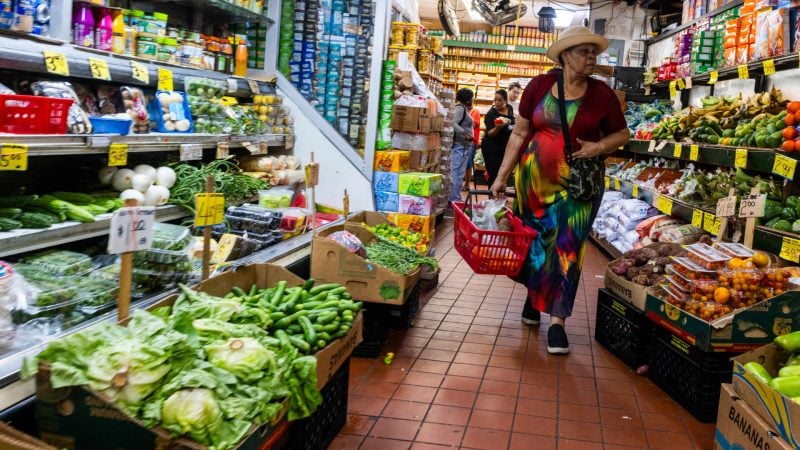
The rising cost of foreign currency directly affects domestic companies and factories that rely heavily on imported raw materials and production components. Economists note that industries such as food, pharmaceuticals, chemicals, textiles, and energy-intensive sectors face squeezed profit margins as local input costs climb. Economist Ali El-Idrisi pointed out that the broader Egyptian markets are experiencing a state of confusion, complicating purchasing decisions as consumers grapple with diminished purchasing power alongside fears of further price hikes.

According to economic assessments, the annual inflation rate spans roughly 13 to 14 percent, sustained by food and energy pressures. Meanwhile, private sector business activity contracted further, with S&P Global’s Purchasing Managers’ Index dropping to 47.2 points in September compared to 49.6 points in August, signaling weaker demand and escalating operational costs.
Dr. Doria Mady, a finance and investment instructor at Ain Shams University, noted that consumer price increases do not occur instantaneously. The timing of price adjustments depends heavily on existing contracts, available corporate inventory, and competitive dynamics within specific product markets. George Zakaria, head of the Home Appliances Division at the Giza Chamber of Commerce, added that despite cost pressures, the market currently suffers from weak purchasing power and stagnation, which prevents merchants from instantly passing full price increases onto consumers.

Outlook and Sustained Foreign Currency Sources
While a depreciating local currency can theoretically enhance the competitiveness of specific Egyptian exports—such as agricultural goods and textiles—experts emphasize that realizing these benefits requires higher productive capacity, improved quality, and reduced reliance on imported manufacturing inputs. In response to ongoing market shifts, savers and investors continue to explore diverse hedges, directing funds toward gold, real estate, and foreign currency while balancing traditional high-yield banking instruments.
To achieve lasting stability, analysts highlight the necessity of strengthening sustainable foreign currency inflows—including exports, tourism, productive investment, strong expatriate remittances, and Suez Canal revenues—while deepening national industry to reduce long-term vulnerability to external shocks.